

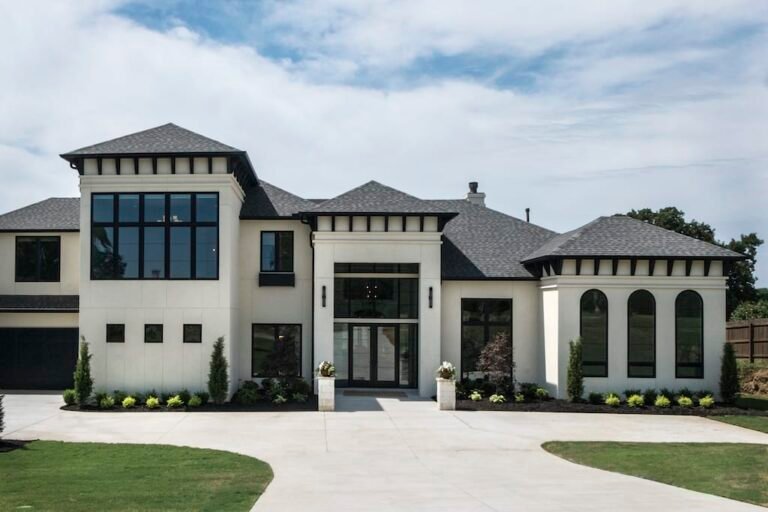
Commissioning a custom home in Charleston, South Carolina, is an investment in both personal style and regional architecture. However, because of the Lowcountry’s distinct geography and strict regulatory landscape, the schedule for a high-end residential project looks vastly different than standard suburban construction. A true custom property requires a meticulous sequence of design, administrative approval, and specialized engineering before the first structural beam is put into place.
Understanding the realistic phase-by-phase timeline helps future homeowners establish clear expectations, plan transitions between properties, and mitigate common delays.
Table of Contents
The Pre-Construction Window: Design and Approvals
The most common misconception about building a custom home is that the timeline starts when the excavator arrives on site. In reality, the pre-construction phase typically accounts for a significant portion of the overall project duration.
Architectural Conception and Detail Selection (2 to 4 Months)
Transforming initial ideas into constructible blueprints involves multiple rounds of collaborative revisions between the client, architect, and interior designer. This period is dedicated to finalized spatial planning, window schedules, structural engineering assessments, and selecting premium finishes. Making comprehensive finish decisions early prevents ordering delays later down the line.
Regulatory Reviews and Permitting (2 to 5 Months)
Charleston’s historic preservation priorities and municipal rules add unique administrative steps to the schedule.
- Review Boards: If a property is located downtown or within a master-planned coastal community, plans must clear the Board of Architectural Review (BAR) or a local Design Review Board (DRB). This process alone can add 8 to 16 weeks, especially if revisions are requested.
- Environmental Permits: Properties adjacent to coastal marshes require approvals from the South Carolina Department of Health and Environmental Control (DHEC) to ensure compliance with critical area boundaries.
- Building Permits: Standard municipal structural and zoning reviews take place after design approvals are finalized.
The Physical Construction Phase: Groundbreaking to Handover
Once permits are secured, physical construction typically spans 10 to 16 months, depending on structural complexity and property size.
Foundation and Structural Stabilization (4 to 8 Weeks)
Given Charleston’s high water tables and sandy alluvial soils, standard concrete slabs are rarely an option. Instead, this phase involves specialized site clearing, grading, and the installation of driven timber piles or helical steel piers to anchor the home deep into the subsoil.
Framing and Weatherproofing (8 to 12 Weeks)
During this stage, the home’s skeleton emerges. Subcontractors frame the floors, walls, and roof rafters. The phase concludes with the installation of the roof deck, impact-resistant windows, and exterior house wraps to completely “dry-in” the structure against rain and coastal humidity.
Systems and Interior Finishes (5 to 8 Months)
The longest phase involves installing rough-in mechanicals (HVAC loops with dedicated dehumidifiers, plumbing, and electrical lines) behind the walls, followed by insulation and drywall. Once walls are closed, master tradespeople focus on high-end interior detailing: custom cabinetry, intricate millwork, tile installation, floor laying, and final fixtures.
Engaging established custom home builders in charleston sc early ensures that these independent sub-trades are tightly scheduled, keeping the interior momentum steady.
Balancing the Calendar: Advantages and Realistic Constraints
A meticulously structured timeline delivers long-term rewards but requires a patient approach to project management.
The Advantages
- Strict Quality Control: A measured pace allows for rigorous quality-assurance checkpoints, ensuring moisture-barrier integrity and flawless finish work.
- Reduced Material Friction: Realistic lead times give suppliers structural buffers to deliver specialty components, such as custom-milled timbers or imported stone, exactly when needed.
The Limitations
- Weather Exposure: Constructing along the coast means accommodating seasonal weather risks. Heavy summer downpours or Atlantic hurricane disruptions between June and November can stall exterior progress.
- Fixed Administrative Halts: Review board calendars are rigid; a missed submission deadline can push back a start date by a month or more.
Critical Factors that Influence the Schedule
How does client decision-making impact the building schedule?
Indecision during construction is the primary cause of avoidable delays. When fixtures, tile patterns, or paint colors are altered mid-build, it triggers a chain reaction of change orders, labor rescheduling, and material shipping adjustments.
Do coastal weather patterns automatically halt construction?
Not necessarily. Experienced builders schedule major earthwork and foundation drilling outside of peak storm windows, focusing heavily on interior progress once the home envelope is weatherproof and secure against the elements.


