

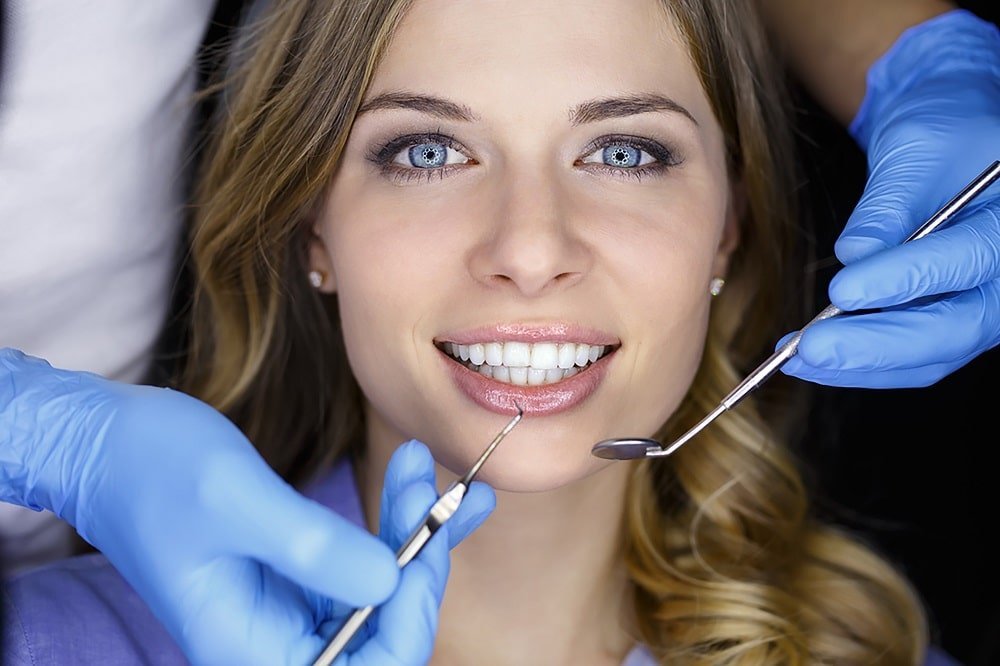
A worn smile can drain your confidence fast. Stains, chips, gaps, and uneven teeth can make you hide your mouth in photos. You might stop laughing in public. You might even avoid important meetings. You do not need to live like that. Modern cosmetic dentistry offers safe, steady ways to reshape and brighten your smile. You see real change in how you look and how you feel. This guide explains six proven treatments that fit real life. You learn what each one does. You see who it helps. You understand what to expect. You also know when to talk with a Dentist in Wall Township, NJ about your own teeth. You gain clear steps, not guesswork. You get straight talk on whitening, bonding, veneers, clear aligners, crowns, and more. You deserve a mouth that reflects your true self.
Table of Contents
1. Teeth whitening
Whitening targets stains from coffee, tea, tobacco, and aging. It works best when your teeth and gums are healthy. It does not change the shape of your teeth. It only changes the color.
Common choices include:
- In office whitening with strong gel and light
- Custom trays for use at home
- Store kits and strips
In-office care brings faster results. At-home trays give slow change that you control. Store products cost less but may give uneven color. The National Institute of Dental and Craniofacial Research explains that whitening only works on natural tooth enamel. It does not lighten crowns or fillings.
2. Dental bonding
Bonding uses tooth colored resin that sticks to your tooth. It can fix small chips. It can close little gaps. It can cover stubborn stains on one or two teeth.
Here is what to expect:
- Your dentist picks a shade that matches your tooth
- The tooth surface gets cleaned and prepared
- Resin is shaped and hardened with a bright light
- The final surface is trimmed and polished
Bonding usually takes one visit. It costs less than veneers or crowns. It can stain over time. It can chip under strong pressure. You protect it when you avoid chewing ice and hard candy.
3. Porcelain veneers
Veneers are thin shells that cover the front of teeth. They change color, shape, and length in one step. They help when you have many teeth with stains, chips, or uneven edges. The conversation about which material produces the most natural veneers is worth having before you commit to treatment.
Basic steps include:
- Planning and photos
- Small trimming of front enamel
- Impressions for the lab
- Temporary covers while the lab makes the final set
- Final bonding and polish
The American Dental Association explains that veneers are permanent because enamel is removed. They resist stains better than bonding. They cannot fix gum disease or decay. Those problems need treatment first. You still need daily brushing and flossing.
4. Clear aligners
Clear aligners straighten teeth with a series of thin plastic trays. You wear each set for most hours of the day and night. You remove them for eating and brushing.
Clear aligners may help when you have:
- Crowded teeth
- Small gaps
- Mild bite problems
They work best when you wear them as directed. Skipping trays slows progress. Some complex bite issues still need metal braces. Your dentist or orthodontist will check your jaw health before treatment. The Centers for Disease Control and Prevention stresses that straight teeth are easier to clean. This lowers your risk for decay and gum disease.
5. Crowns
Crowns cover the whole tooth above the gum. They restore strength after large cavities, fractures, or root canal treatment. They also improve shape and color.
Common crown materials include:
- Porcelain fused to metal
- All ceramic
- Metal alloys
You might choose a crown when a tooth has large, old fillings. You might also need one when a tooth is worn from grinding. Crowns usually need two visits. The first visit shapes the tooth and takes impressions. The second visit cements the final crown.
6. Dental implants
Implants replace missing teeth. A small post is placed in the jaw. After healing, a crown attaches to the post. The result looks and works like a single tooth.
Implants can:
- Fill one missing space
- Support a bridge
- Anchor a denture
Healthy bones and gums are important. Smoking, uncontrolled diabetes, or strong bone loss may affect success. Your dentist may work with a specialist to plan this care.
Comparing common cosmetic options
| Treatment | Main goal | Best for | Typical visits | Changes tooth shape |
|---|---|---|---|---|
| Whitening | Lighten color | Surface and age stains | 1 to 2 | No |
| Bonding | Fix chips and small gaps | One or few teeth | 1 | Minor |
| Veneers | Change color and shape | Front teeth smile line | 2 to 3 | Yes |
| Clear aligners | Straighten teeth | Mild to moderate crowding | Many checkups | Moves teeth |
| Crowns | Strength and shape | Weak or broken teeth | 2 | Yes |
| Implants | Replace missing teeth | Single or many gaps | Several over months | Replaces full tooth |
Choosing the right solution for your smile
Start with a full exam and a clear talk about your goals. Bring three things to that visit. Bring your main concern. Bring a list of medicines. Bring a sense of what you can spend and how much time you can give to treatment.
Then ask three questions. Ask what must be treated for health first. Ask what options can meet your goals. Ask what care will look like in five years if you do nothing. Those answers guide smart choices for you and your family.