

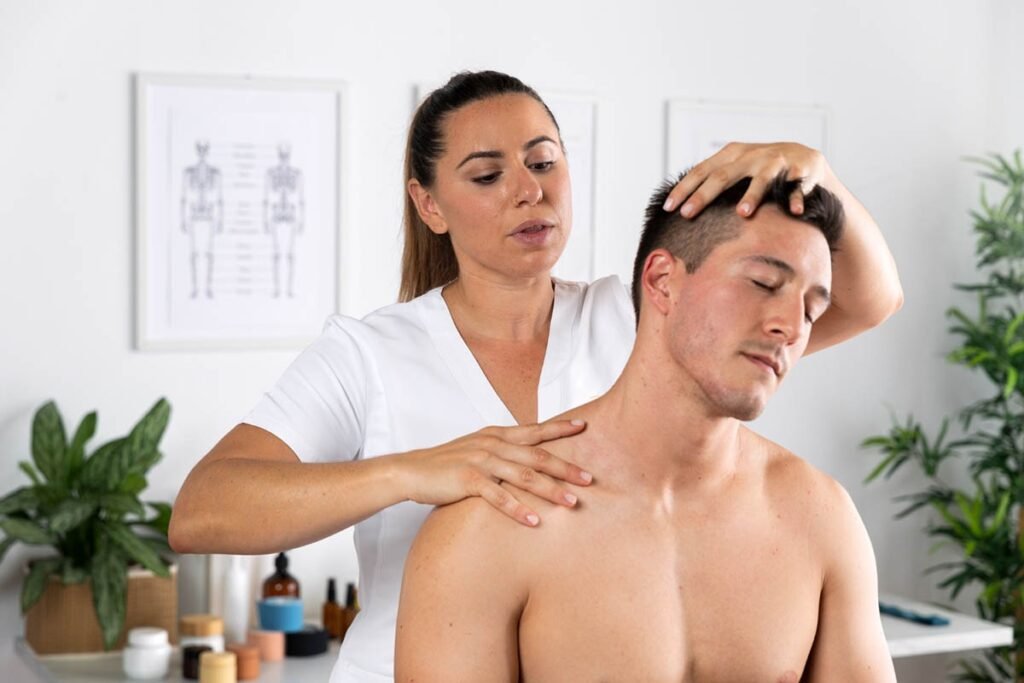
Muscle efficiency is the foundation of physical performance, whether for professional athletes or individuals maintaining an active lifestyle. Behind every smooth movement, there is a complex interaction between muscles, nerves, and circulation. One method that continues to gain attention for improving this interaction is sports massage. The concept goes beyond simple relaxation, focusing instead on how targeted techniques can enhance muscle function, reduce fatigue, and support recovery.
At its core, muscle efficiency refers to how effectively muscles use energy to perform movement. When muscles are efficient, they require less energy to produce force, allowing for better endurance and reduced strain. However, repetitive movements, intense training, and even daily stress can lead to tightness and imbalances. This is where sports massage NYC services play an important role in restoring balance and optimizing performance.
Table of Contents
The Role of Circulation in Muscle Performance
From a scientific perspective, sports massage works by improving blood circulation. More blood flow means that oxygen and nutrients get to muscle tissues more quickly. At the same time, it helps remove metabolic waste such as lactic acid, which can accumulate during physical activity and contribute to soreness. When these waste products are cleared efficiently, muscles recover faster and are better prepared for the next session of activity.
Breaking Down Muscle Adhesions
Another important factor is the effect on muscle fibers. During intense use, muscle fibers can develop micro tears and adhesions. These adhesions restrict movement and reduce flexibility, making muscles less efficient. Deep tissue manipulation and other types of sports massage help break up these adhesions so that muscle fibers can move back into place. This realignment improves elasticity and enables smoother contractions, which directly contribute to better performance.
Nervous System and Muscle Coordination
The nervous system is also very important for how well muscles work. Muscles do not work independently; they rely on signals from the brain and spinal cord. When tension builds up, it can interfere with these signals, leading to reduced coordination and slower reaction times. Sports massage helps calm the nervous system by reducing tension and promoting relaxation. This improved communication between nerves and muscles allows for more precise and controlled movements.
Flexibility and Range of Motion
Flexibility is another key component linked to efficiency. Tight muscles restrict the range of motion, forcing other muscle groups to compensate. Over time, this imbalance can lead to injuries and decreased performance. By loosening tight areas and increasing flexibility, sports massage ensures that muscles work together more harmoniously. This balance not only improves efficiency but also reduces the risk of strain or overuse injuries.
Supporting Recovery and Reducing Inflammation
Additionally, sports massage supports the body’s recovery process at a cellular level. When muscles are stressed, the body initiates repair mechanisms that involve inflammation. While this process is necessary, excessive inflammation can slow recovery and limit performance. Massage techniques help regulate this response by promoting better circulation and reducing unnecessary inflammation. As a result, the recovery phase becomes shorter and more effective.
Mental Relaxation and Physical Performance
Mental factors should not be overlooked when discussing muscle efficiency. Stress and fatigue can negatively impact performance by increasing muscle tension and reducing focus. Sports massage encourages relaxation, which helps lower stress hormones and improve mental clarity. When the mind is relaxed, the body follows, leading to more efficient and coordinated movements.
Conclusion
In conclusion, the science behind sports massage reveals its powerful role in improving muscle efficiency. By enhancing circulation, breaking down adhesions, supporting the nervous system, and promoting recovery, it addresses multiple aspects of physical performance. Whether the goal is to boost athletic ability or simply move more comfortably, sports massage offers a structured and effective approach to achieving better muscle function and long-term well-being.