

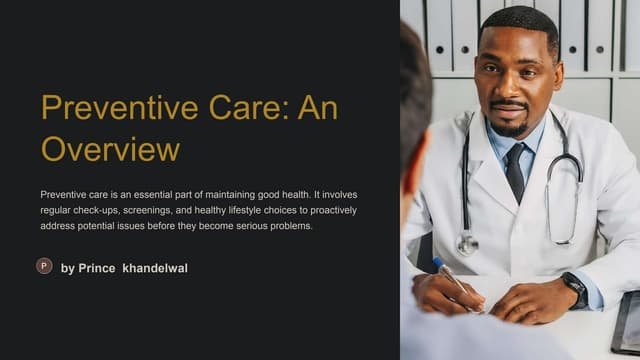
You might be feeling like family health has turned into a second full time job. School forms ask for shot records you are not sure are up to date. Someone always seems to have a cavity or a sore throat and you wonder if you should call a dentist in Anchorage, AK. You try to remember when the last checkup was, then realize you are guessing. It is tiring, and it can feel like you are always reacting instead of staying ahead.end
At the same time, you probably know that a few key checkups, done every year, can catch problems early and keep your kids safer and healthier. The hard part is knowing which visits truly matter and how to fit them into a busy life without feeling like you are constantly sitting in waiting rooms.
This guide walks through six annual preventive services that give you the most protection for your effort. You will see how yearly medical visits, dental care, vision checks, vaccines, and a few simple screenings work together, so instead of guessing, you have a clear, calm plan for your family’s health.
Table of Contents
Why does preventive care feel so hard to keep up with?
The problem usually starts quietly. A year goes by, then another. The kids seem mostly fine, aside from the usual colds. You skip a checkup because work is busy or someone is sick. You promise yourself you will reschedule, then suddenly the school calls asking for updated health forms, or your child is in pain from a cavity that could have been caught much earlier.
There is also the emotional weight. You might worry that you are missing something serious. Maybe a parent or friend had a health scare that could have been prevented. You do not want that for your child, yet the system feels confusing. Different doctors, different recommendations, insurance questions, time off work. It is a lot to carry.
Because of this tension, you might wonder what actually matters most each year. If you cannot do everything, what should you prioritize so you get the biggest health benefit with the least chaos.
What are the 6 annual preventive services that matter most for families?
Think of these six services as your family’s yearly safety net. Each one covers a different part of health, and together they give you strong protection.
1. Annual well child or family checkup with a primary care provider
This is the visit where growth, development, mental health, and overall wellness are checked. For children, the American Academy of Pediatrics has a detailed periodicity schedule for well child visits that shows what should be checked at each age. Even if your child seems healthy, this visit can catch concerns with growth, behavior, sleep, learning, and emotional health before they turn into bigger problems.
For adults, an annual physical is a chance to track blood pressure, weight changes, mood, and any new symptoms. It is also when you can talk about family history and start age based screenings at the right time.
2. Yearly preventive visit with a family dentist
Teeth and gums affect much more than a smile. Untreated cavities cause pain, missed school days, and trouble eating. Gum disease in adults is linked to heart disease and diabetes. A yearly visit to a family dentist for cleaning and exam, and often every six months, helps prevent these issues. Your dentist can spot early signs of decay, check how teeth are growing in, and give specific advice on brushing, flossing, and diet for your child’s age.
For many families, this is the easiest place to see the power of prevention. A small cavity caught early is simple to treat. A cavity ignored can turn into infection, root canals, or even emergency visits.
3. Annual vision screening or eye exam
Kids rarely say “I cannot see the board.” They just adapt. They squint, sit closer, or lose focus. A yearly vision check, either at the pediatrician’s office or with an eye doctor, can uncover nearsightedness, eye alignment problems, or other issues that quietly affect learning and behavior. Adults also benefit from regular eye exams that can detect early signs of glaucoma, diabetes, or high blood pressure.
4. Staying current on vaccines each year
Vaccines protect against illnesses that can be very serious for children and adults. You do not have to memorize the schedule. The Centers for Disease Control and Prevention publishes a clear child and adolescent immunization schedule for healthcare providers. There is also a more parent friendly version of the easy to read immunization schedule to help you see which shots are due at which ages.
Your yearly checkup is the perfect time to review which vaccines are due. For adults, this often includes a yearly flu shot and other vaccines based on age, job, and health conditions.
5. Annual dental and oral health check for the whole family
You might think of dental visits as “just cleanings,” but they are also medical screenings. A preventive family dental care visit can catch early signs of nutritional problems, grinding from stress, mouth breathing, and even signs of sleep apnea. For teens, it is a chance to talk about wisdom teeth, sports mouthguards, and habits like vaping or tobacco, which affect oral health.
When you keep dental visits on a yearly rhythm, your dentist has a clear record of changes over time. That makes it easier to spot patterns, plan orthodontic care if needed, and avoid painful surprises.
6. Age appropriate screenings for mental health and development
Emotional and developmental health can shift quietly. A child who seems “shy” might be dealing with anxiety. A teen who is “moody” could be struggling with depression. Younger children may have speech or learning delays that are easy to miss at home. Many pediatric and family practices now include brief mental health and developmental screenings during annual visits.
These simple questionnaires or conversations can lead to early support, whether that is counseling, school resources, or further evaluation. Catching these issues early often makes support more effective and less disruptive to family life.
How do the benefits compare with the risks and effort?
You might still be wondering if all this is worth the time off work, the co pays, and the logistics. It helps to see the tradeoffs clearly.
| Preventive service | Key benefit | Common risk or cost | Real world example |
|---|---|---|---|
| Annual medical checkup | Catches growth, blood pressure, and developmental issues early | Time away from work or school, possible co pay | High blood pressure found in a parent before it leads to heart problems |
| Yearly visit with a family dental provider | Prevents cavities and gum disease, reduces emergency visits | Visit cost if not fully covered, scheduling around school | Small cavity treated quickly instead of a painful tooth infection |
| Vision screening or eye exam | Improves learning, reduces headaches and eye strain | Eye exam fee, child may feel nervous about eye drops | Child’s reading improves after getting glasses for nearsightedness |
| Staying current on vaccines | Prevents serious infections and school outbreaks | Brief discomfort from shots, rare side effects | Child avoids severe flu that kept classmates out for a week |
| Oral health and orthodontic checks | Guides jaw growth, reduces future orthodontic complexity | Possible referral to orthodontist, added appointments | Crowding addressed early, reducing need for extractions later |
| Mental health and developmental screening | Spots emotional or learning struggles early | May lead to more visits or evaluations | Child with anxiety gets support before school refusal develops |
When you compare the two sides, the pattern is clear. The “costs” are mostly time and logistics. The benefits are avoiding emergencies, protecting long term health, and giving your children a smoother path through school and daily life.
What can you do this week to get ahead of preventive care?
It is easy to feel overwhelmed and do nothing. A better approach is to take a few simple, high impact steps that bring order to the chaos.
1. Make a one page family health calendar
Write each family member’s name and list the last date of their medical checkup, dental visit, eye exam, and any vaccines you remember. It does not have to be perfect. Even rough dates help. Then circle anyone who is more than a year out from any of those visits. This becomes your “priority list” for the next two to three months.
2. Book paired appointments where you can
To save time, try to schedule more than one visit on the same day or back to back. For example, two children with the same annual family dental checkup, or a parent’s physical right after a child’s well visit. Many offices will work with you if you explain you are trying to manage multiple kids and limited time off work.
3. Use visits to ask about the next year, not just today
At each preventive visit, ask one simple question. “What should I plan for in the next year for my child or for me?” This invites your provider to flag upcoming vaccines, screenings, or developmental milestones. You can then write those on your calendar instead of being surprised by a last minute school or sports requirement.
Bringing it all together for your family
Staying on top of these 6 preventive services families should schedule annually will not remove every illness or worry. Kids will still get colds. Adults will still have stressful weeks. What it does give you is a steady rhythm. You move from scrambling in crises to calmly checking in once a year, catching problems early, and knowing you are doing the quiet, steady work of protecting your family’s health.
You do not have to do everything at once. Start with the visit that feels most overdue, whether that is the doctor, the eye exam, or the family dentist. One scheduled appointment is progress. From there, you can build a simple yearly routine that fits your real life and gives your family the care they deserve.