

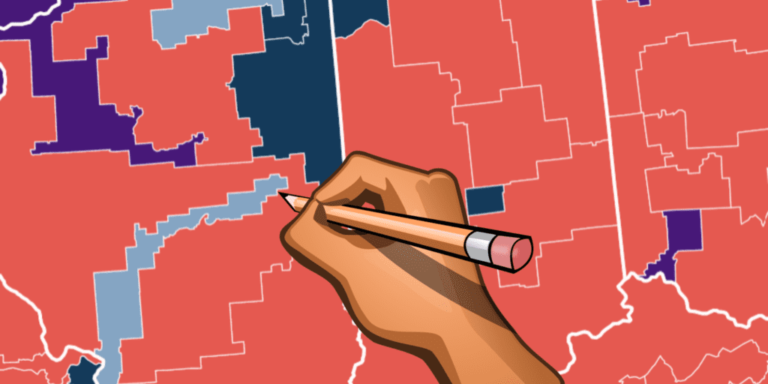
Long-standing gerrymandering practices have weakened principles of genuine electoral fairness. This practice involves manipulating electoral district boundaries to favor one political party over another. The resulting district maps often distort the democratic process and lead to unbalanced political power.
The Campaign Legal Center is a prime example of an organization that plays an essential role in fighting for reforms that ensure all voters are treated equally, regardless of political affiliation. Their work protects electoral integrity, advocating for fair redistricting and preventing manipulation. They strive to create a more equitable system for voters nationwide through these efforts.
Table of Contents
1. Establish Independent Redistricting Commissions
Independent redistricting commissions effectively combat gerrymandering. These impartial bodies draw electoral district lines free from political bias. When district boundaries are set by independent commissions, the risk of partisan influence is significantly reduced.
This process ensures that districts reflect clear, fair criteria, leading to more equitable representation for all citizens. Implementing independent commissions builds public trust in the redistricting process. These commissions also foster accountability and transparency, ensuring that elected officials are not able to manipulate district lines for political gain.
2. Adopt Transparent Redistricting Guidelines
Clear and transparent guidelines for redistricting help prevent manipulation. These guidelines should prioritize fairness, compactness, and respect for communities of interest. Specific standards ensure that the redistricting process remains open and that manipulative actions are easily identified.
Publicly available criteria empower citizens to hold officials accountable. This transparency ensures that district lines reflect the will of the people. Clear guidelines also reduce the potential for backdoor political maneuvering, establishing a foundation for more effective redistricting oversight.
3. Use Technology to Map Districts Accurately
Technological tools offer a powerful means of drawing fair and accurate electoral boundaries. Geographic information systems (GIS) and mapping software enable precise districting based on demographic data. These tools help eliminate biases, making the redistricting process more objective.
Technology ensures that district lines reflect the true composition of the population, leading to fairer elections. These tools also allow for the creation of maps that prioritize the integrity of communities. They help avoid splitting neighborhoods for political gain, ensuring that communities remain intact.
4. Increase Public Engagement and Oversight
Public involvement in the redistricting process plays a crucial role in preventing gerrymandering. Citizens must have opportunities to attend hearings, provide feedback, and submit comments. These actions foster transparency in the process.
Public oversight ensures that district boundaries reflect community interests, not partisan agendas. When citizens engage, lawmakers find it difficult to manipulate district lines without scrutiny. This involvement encourages more inclusive redistricting that better serves the needs of all communities and promotes fairer representation.
5. Strengthen Legal Protections Against Partisan Gerrymandering
Fair redistricting demands strict enforcement of protections against partisan gerrymandering. Laws that prevent the manipulation of district boundaries must be upheld rigorously. These laws ensure the integrity of the electoral process.
Legal challenges to gerrymandered maps should be pursued to protect voters’ rights. Penalties for those who violate these laws hold them accountable for their actions. A strong legal framework acts as a deterrent, preventing future attempts to manipulate electoral boundaries for political gain.
The efforts of organizations like the Campaign Legal Center are essential in advancing fair redistricting and protecting voting rights. Through independent commissions, transparent guidelines, technology, public participation, and legal safeguards, we can prevent gerrymandering and ensure all voters are fairly represented. These strategies strengthen the democratic process and ensure it reflects the true will of the people.


