

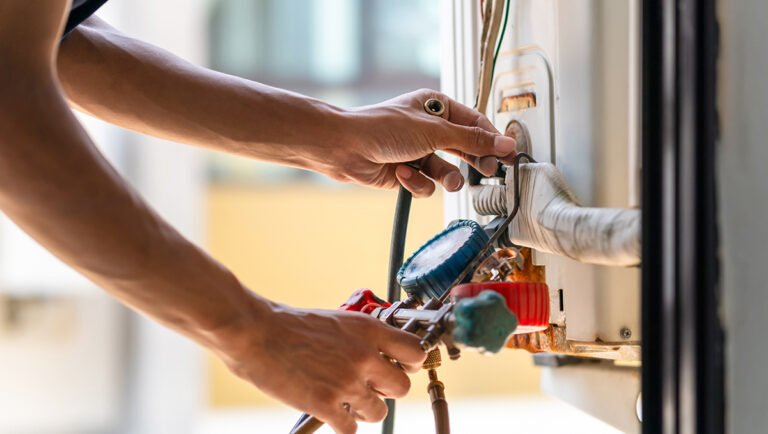
Many homeowners eventually face the same question when their heating system starts acting up. Should they repair the system or replace it entirely? Heating systems are essential for maintaining comfort during cold months, and problems often appear at inconvenient times. When performance drops, homeowners must evaluate cost, efficiency, and reliability before deciding what to do next.
For many people, the debate around replacement vs repair: your heating system begins when heating problems become frequent or costly. A properly functioning heating system typically lasts between 10 and 20 years, depending on the type of equipment and how well it has been maintained. Rising energy bills, uneven heating, or recurring breakdowns often signal that it may be time to evaluate the long-term value of your current unit.
Average Lifespan of Common Heating Systems
Understanding the typical lifespan of heating systems helps homeowners make informed decisions. Each heating system type has different durability and efficiency expectations. Over time, parts wear down, and efficiency naturally decreases.
Gas furnaces usually last 15 to 20 years with proper maintenance. Electric furnaces often last 20 to 30 years. Heat pumps generally operate efficiently for about ten to fifteen years before major components begin to decline. Boiler systems may last fifteen to twenty-five years, depending on water quality and maintenance history.
As systems approach the fifteen-year mark, efficiency often begins to decline noticeably. Even if the system still works, operating costs may increase significantly. At this stage, homeowners begin evaluating replacement vs repair: your heating system more seriously because efficiency losses can lead to higher utility bills.
Signs Your Heating System May Only Need Repair
Not every heating problem requires a full system replacement. Many issues are minor and can be resolved quickly by a professional technician. Repairs are often the best choice when the system is relatively new and the problem is isolated.
Common repair situations include thermostat malfunctions, clogged or dirty air filters, and minor ignition problems. Pilot light issues are another typical repair scenario. In many cases, strange noises from the unit may indicate loose components rather than major damage.
Uneven airflow may also occur due to duct blockages rather than furnace failure. These types of issues can be fixed quickly and at a reasonable cost. In these situations, repairing the heating system makes more financial sense than replacing it.
Warning Signs: It May Be Time to Replace the System
Some warning signs suggest that replacing the system may be the better long-term option. Homeowners who notice multiple warning signs should consider evaluating replacement vs repair: your heating system carefully with a qualified technician.
If the heating system is more than 15 years old, efficiency is likely to have declined. Frequent winter breakdowns also indicate deeper mechanical wear. Rising energy bills without changes in usage are another warning sign of declining performance.
Uneven heating throughout the home can signal that the system can no longer distribute heat effectively. Loud banging or rattling noises may indicate failing internal components. A yellow pilot flame instead of a blue one may suggest combustion problems or ventilation issues.
Another critical factor is repair cost. When a repair costs more than fifty percent of the price of a new system, replacement usually makes more financial sense.
Cost Comparison: Repair vs Replacement
Financial considerations play a major role in deciding whether to repair or replace a heating system. Minor heating repairs typically cost between $150 and $400. These repairs often involve replacing small components or fixing airflow issues.
Major repairs may range from $600 to $1,500, depending on the system and required parts. When multiple repairs occur within a short period, total costs can rise quickly.
Replacing a heating system requires a larger initial investment. New furnace installations usually range from $3,000 to $7,500. Heat pump systems typically cost between 4,000 and 10,000 dollars, depending on size and efficiency level. While replacement costs more upfront, long-term energy savings often offset the expense.
Energy Efficiency Benefits of New Heating Systems
One of the biggest advantages of replacing an older heating system is improved energy efficiency. Older heating systems often operate at only sixty to seventy percent efficiency. That means a large portion of the energy used is wasted.
Modern heating systems can reach ninety to ninety-eight percent AFUE efficiency. This means almost all of the energy consumed is converted into heat for the home. Higher efficiency leads directly to lower energy bills.
Improved efficiency also reduces the environmental impact of heating systems. Lower energy use means fewer carbon emissions and a smaller environmental footprint. Modern systems also maintain more consistent indoor temperatures, improving overall comfort throughout the home.
Impact of Heating Systems on Indoor Air Quality
Heating systems play a significant role in indoor air quality. Older heating equipment often circulates dust, allergens, and dry air throughout the home. Poor airflow and aging filters can contribute to respiratory irritation and discomfort.
New heating systems are designed with improved filtration and airflow systems. Many include advanced air filters that capture smaller particles and allergens. Some systems also integrate humidity control to maintain a balanced indoor air environment.
Improved airflow ensures that warm air circulates evenly across living spaces. This results in cleaner, healthier indoor air and more consistent heating throughout the house.
Smart Technology in Modern Heating Systems
Modern heating systems include advanced technology designed to improve comfort and efficiency. Smart thermostats allow homeowners to adjust temperatures remotely using mobile devices. These systems also learn daily routines and automatically adjust heating schedules.
Zoned heating systems allow homeowners to independently control temperatures in different parts of the house. This reduces energy use by heating only the areas that need it.
Remote monitoring systems also provide automated maintenance alerts. These alerts notify homeowners when service may be required, helping prevent unexpected breakdowns and costly repairs.
When a Professional Inspection Is Necessary
When homeowners are unsure whether to repair or replace their heating system, a professional inspection can provide clarity. HVAC technicians evaluate multiple factors before recommending the best option.
Technicians inspect the heat exchanger for cracks or wear. They test airflow performance and verify system efficiency levels. Safety checks identify potential risks such as gas leaks or combustion problems.
A professional evaluation helps homeowners make informed decisions about safety, efficiency, and long-term costs.
Tips to Extend the Life of Your Heating System
Homeowners can extend the lifespan of their heating systems by following a few simple maintenance steps.
- Replace air filters every one to three months
- Schedule annual HVAC inspections
- Clean air ducts regularly
- Keep vents and registers unobstructed
- Use programmable or smart thermostats
Regular maintenance improves airflow and reduces system strain. Preventive care also helps maintain efficiency and avoid unexpected winter breakdowns.
Conclusion
Deciding whether to repair or replace a heating system requires careful evaluation of age, efficiency, repair history, and operating costs. While minor repairs can extend system life, older equipment often becomes inefficient and unreliable. Modern heating systems offer significant improvements in comfort, energy efficiency, and indoor air quality. Consulting a qualified HVAC professional ensures the right decision for your home. With proper guidance, homeowners can protect their investment and maintain reliable warmth throughout the coldest months.


