

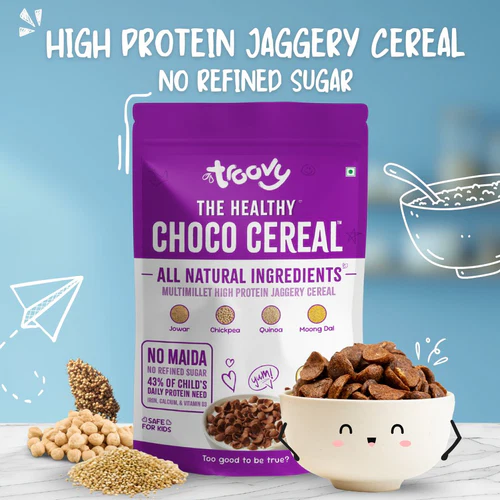
The latest trend of modern parenting has been to be steered by nutritional science as opposed to assumptions, especially considering the role of supporting energy balance, cognitive functioning, and healthy physical growth of children. Among all macronutrients, protein has the most structurally important role due to its direct impact on the synthesis of muscle, enzymatic function, immune functioning, and even neurotransmitter synthesis.
This is why the best healthy snacks for kids are no longer just between-meal fillers. They are now regarded as functional nutrition options that can be used to fill the gaps of inconsistent meals and high-refined carbohydrate consumption. Snacking has become more significant in relation to the protein content, as children are kept busy at school, with screen time, sports, and activity. The regularity in nutrient intake will be important in this way of life to ensure energy and concentration.
Why Protein Plays a Structural Role in Child Development
Protein is not only a source of energy, but a structural and functional nutrient consisting of amino acids that aid almost all biological systems in the body. In the growing years, children possess greater needs for essential amino acids because of the rapid tissue construction.
Physiologically, protein is involved in:
- Growth and repair of muscle fiber (myofibrillar growth)
- Production of neurotransmitters (which influence emphasis, mood, and thoughts)
- Generation of immunocells (T- cells, antibodies, and cytokines)
- Regulates Enzymes, hormones (metabolic regulators and growth regulators)
Contrary to carbohydrates, which are instant sources of energy, protein helps in slower digestion and slow and non-impulsive release of energy, which causes stable blood sugar levels and avoidance of energy surges following a snack.
Table of Contents
The Emerging Protein Deficit in Modern Pediatric Diets
Even with the rising trend in nutrition knowledge, a large number of school-going children fail to reach the recommended ideal protein consumption levels. It is estimated that approximately 1 out of 7 children fail to meet daily needs, and the differences increase in adolescence as the growth requirements are greater.
Recommended intake ranges vary:
- Younger children: ~13–20g protein/day.
- School-aged children: ~20–35g protein/day.
- Active adolescents: 35g+ depending on activity level.
Nonetheless, a new style of eating tends to upset this equilibrium because of:
- A lot of dependence on the refined carbohydrate diet.
- Frequent consumption of ultra-processed foods.
- Lack of sufficient consumption of full protein sources in the food.
- Unusual eating habits due to school routines.
This forms an effective protein deficiency in which calories might be sufficient, yet the quantity of amino acids consumed is inadequate and may influence the energy, concentration, and overall recovery.
Functional High-Protein Snack Formats in Modern Nutrition
Snack formats are developed under food innovation because it involves the incorporation of protein into the common textures and flavor profiles. These are the best healthy snacks for kids, meant to be palatable, metabolically efficient, and nutrient-dense.
- High-protein puffs: The products are made by extrusion technology of legumes like chickpea and green gram that contain protein isolates to produce a light and crisp texture. They are less fatty and more balanced in terms of protein-to-calorie ratio, so they can be consumed as a regular snack.
- High-protein chips: They are made out of clean-label ingredients, as well as starch-protein mixtures. It is possible to reduce the use of oil as much as possible by baking or air-frying, and they are made with no preservatives or chemicals, with no loss of flavor or crunch.
- Protein pasta: Protein pasta is prepared using brown rice, durum wheat, and lentils, like chickpeas, and lentils.. This contributes towards the protein and fiber content, which reduces the rate at which the digestive process will occur and therefore assists in supplying or sustaining the normal energy levels throughout the day.
- Protein pancakes: This is a combination of low-moving carbs, like bajra, ragi, jowar, with protein sources of plant proteins. Macronutrient mixes like these provide much better satiety signals through gut hormones, including GLP-1 and peptide YY, and the children experience increased gut satiety as well as reduced snacking between meals.
Cognitive and Behavioral Impact of Protein-Rich Snacking
It is not only the case that protein consumption is a factor that is important in relation to physical development, but also has a quantifiable effect on cognitive success. Dopamine and serotonin are neurotransmitter factors that are composed of the amino acids tyrosine and tryptophan, which influence the state of attention, mood regulation, and learning performance.
On a behavioral nutrition perspective, a child who eats balanced snacks is likely to exhibit:
- Increased concentration in academic activities.
- mid-session fatigue.
- Greater stability in mood.
- Reduced impulsive snacking.
This is especially applicable in a school setting where mental stamina is needed for long durations.
Smart Snacking in School Ecosystems
Enabling school nutrition environments are frequently characterized by food options that are based on convenience. This makes it important to plan snacks.
In this regard, healthy snacks for kids at school serve as stabilizing metabolically. It can contain a protein-based snack that can be taken during mid-morning or after lunch, and maintain the level of glucose so that it can ensure cognitive activity during classes.
The high levels of protein in protein-rich foods equate to maintaining metabolic stability, unlike high-sugar concentrations that cause rapid insulin spikes followed by energy dips.
Behavioral Conditioning Through Better Snack Design
Early exposure is a great determinant of long-term dietary behavior. Children who are regularly provided with snack choices that are rich in nutrients develop a changed preference with what is called learning in flavour-nutrient learning.
Key strategies include:
- Consuming snacks prepared using protein-based alternatives to the refined ones.
- Experimenting with textures (crunchy, soft, baked) with various pods.
- Protein and natural flavors, rather than artificial.
- Always being somewhat consistent and never replacing.
Conclusion
Snacks that are based on proteins are not taken as optional portions in the diet of a child anymore; these are inactive nutritional resources that help to provide growth, intellectual functioning, and energy balance. Modern food innovations have made it simple to add functional nutrition into daily habits with high-protein puffs and preservative-free chips, protein pasta, protein pancakes, and even options like whey protein for kids.
When the snacks are chosen wisely, they can be used to improve the overall concentration, stabilize energy, and support long-term, healthy development in children. They indicate a transition to purposeful eating, with every snack having a purpose to health and performance. Brands, such as Troovy, are providing a contribution in this area with more clean protein-oriented children’s snacks. Their strategy highlights superior ingredients, balanced nutrition, and simple daily routines to those who opt to make smarter food choices


