

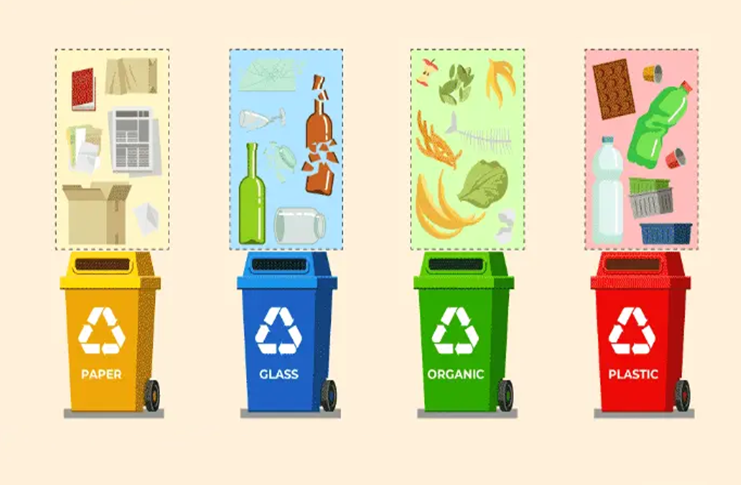
Framing and finish work are two of the most active stages of a construction project. During these phases, materials move rapidly through the job site as structures take shape and interior details are installed. Alongside this progress comes a steady stream of debris, including lumber offcuts, packaging, drywall scraps, and trim pieces. If waste is not handled consistently, it can quickly interfere with productivity and safety.
For contractors and construction managers, practical waste handling methods help keep framing and finishing work organized while maintaining efficient workflows across the job site.
Table of Contents
Understanding Waste Patterns During Framing
Framing generates a predictable type of debris. Lumber offcuts, damaged studs, fastener packaging, and temporary bracing materials are common byproducts. Because framing often occurs quickly and across large sections of a structure, scrap material accumulates rapidly.
Crews typically designate specific disposal zones during framing so that waste does not spread across the entire work area. Centralizing disposal prevents piles of wood and packaging from blocking walkways or staging areas.
Regular cleanup intervals throughout the workday also help maintain order while structural work progresses.
Managing Scrap Wood and Reusable Materials
Not all framing waste is truly waste. Some lumber offcuts can be reused for blocking, temporary supports, or layout adjustments. Many contractors establish a sorting process that separates reusable pieces from discardable scraps.
This practice reduces unnecessary disposal while keeping valuable material accessible for later stages of construction. Once reusable stock becomes impractical to store, it can be cleared along with the rest of the debris.
Balancing reuse and removal helps maintain both efficiency and site organization.
Handling Packaging and Material Deliveries
As framing transitions into finish work, packaging waste increases. Doors, cabinets, flooring, and fixtures often arrive wrapped in cardboard, foam, and plastic. While these materials are lighter than framing debris, they accumulate quickly and can spread across work areas if not collected promptly.
Contractors often establish collection points for packaging near installation zones. This allows crews to remove materials immediately after unpacking rather than allowing debris to linger throughout the work area.
Waste Challenges During Finish Work
Finish work produces smaller but more frequent waste items. Trim offcuts, drywall pieces, fastener boxes, adhesive containers, and protective coverings are typical examples. Because these materials are generated in multiple rooms simultaneously, they can create clutter if disposal routines are inconsistent.
Maintaining clear pathways during finish work is especially important because multiple trades may be working in close proximity.
Consistent removal of small debris helps preserve a professional working environment and protects completed surfaces from damage.
Centralized Disposal and Site Logistics
Centralized disposal is one of the most practical methods for maintaining order during both framing and finishing phases. By directing debris to a single containment area, contractors reduce confusion about where materials should go and prevent waste from accumulating throughout the structure.
Many job sites rely on temporary waste containers to support this system. These containers allow crews to remove debris continuously as work progresses rather than staging waste inside the building.
Contractors coordinating these logistics may work with providers such as Waste Removal USA alongside local services to align disposal capacity with construction timelines.
Maintaining Safety and Efficiency
Clean work areas support both safety and efficiency. Loose debris can create trip hazards, slow movement between tasks, and interfere with equipment or material deliveries. By removing waste steadily rather than waiting for large end-of-day cleanups, contractors maintain clearer and safer job sites.
This approach also helps crews maintain focus on installation tasks rather than repeatedly reorganizing cluttered workspaces.
Establishing Consistent Cleanup Practices
Successful waste handling during framing and finish work often comes down to routine. Many contractors incorporate brief cleanup periods at defined points in the workday. These routines ensure debris is addressed before it becomes unmanageable.
Clear expectations for each trade reinforce these practices and help maintain consistency across the project.
Framing and finish work are fast-moving stages of construction that generate steady streams of debris. Practical waste handling methods—such as centralized disposal, material sorting, and routine cleanup—help contractors maintain organized and efficient job sites.
When debris removal is integrated into everyday work habits rather than treated as an occasional task, construction crews can maintain productivity while preserving safe and professional working conditions throughout the build.


