

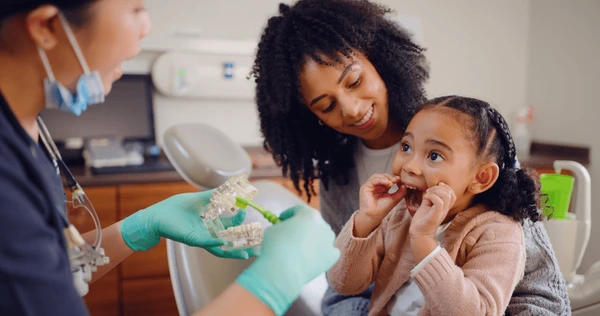
You work hard to keep your family safe. You lock doors. You check homework. You plan meals. Your family’s teeth deserve the same steady care. A trusted family dentist helps you do that. One office. One record. One team that knows your history and your child’s fears. Many people wait until there is pain before they switch dentists. That delay often leads to bigger problems and higher costs. This blog shows you four clear signs it is time to move on and choose a family focused practice. You will see how a Harker Heights dentist can support every stage of life. You will also learn what to expect at a first visit and how to prepare your kids. By the end, you will know if your current care fits your needs or if your family is ready for a change.
Table of Contents
Sign 1: Your current dentist does not see children or teens
Your child needs care as early as the first tooth. Many general dentists focus on adults. They might squeeze in children, yet they often lack the tools, schedule, or calm approach that young patients need.
Look for these warning signs.
- Staff seems tense when your child cries or moves.
- There are no small chairs, toys, or simple books in the waiting room.
- The dentist rarely explains things to your child, only to you.
A family dentist plans visits around growth, not just around problems. The care supports each stage. The American Academy of Pediatric Dentistry advises that children see a dentist by age one or within six months of the first tooth.
A family dentist:
- Tracks baby teeth, new teeth, and braces care in one record.
- Offers simple words and clear pictures for kids and teens.
- Helps you plan cleanings around school, sports, and work.
When one office sees everyone, you reduce missed visits and mixed advice. Your child also builds trust early, which lowers fear later in life.
Sign 2: You juggle several dentists for one household
You might see one dentist. Your partner sees another. Your children go to a third office. This split care drains your time and energy. It also hides patterns that matter for your health.
Here is a simple comparison.
| Type of care | Separate dentists for each person | One family dentist |
|---|---|---|
| Appointments | Different days and offices. More trips. | Same day cleanings for several family members. |
| Medical history | Scattered records. Hard to share updates. | One system. Shared notes on health issues and medicines. |
| Anxiety and trust | Each person manages alone. | Children see you in the same chair. Trust grows. |
| Emergency care | You call different offices and hope for a spot. | One team knows your family and can triage fast. |
| Prevention planning | Mixed advice that might conflict. | Aligned care plans for diet, brushing, and checkups. |
Shared care helps your dentist spot family patterns. Gum disease, weak enamel, and mouth cancer risk often run in families. The Centers for Disease Control and Prevention’s oral health page explains how habits and history shape tooth decay and gum disease.
When one dentist watches all of you, that dentist can say, “I see early gum issues in both parents. Let us start with closer checkups for your teen.” That simple link can prevent pain and tooth loss later.
Sign 3: You feel rushed, unheard, or judged
Dental visits should feel calm and honest. If you leave stressed, confused, or ashamed, something is wrong.
Warning signs include:
- The dentist does not explain why a treatment is needed.
- You feel blamed for cavities instead of guided.
- Your questions about cost or options get brushed aside.
Pain, money, stress, and past trauma all shape how you feel in the chair. A family dentist respects that. The staff uses simple words, clear choices, and direct answers. You should hear things like:
- “Here are two options. Here is what each one costs and how long it takes.”
- “Let us pause if you need a break. You can raise your hand anytime.”
- “You are not alone. Many people struggle to floss. Let us try a new tool.”
You deserve a dentist who listens. When you feel safe, you speak up earlier. That leads to smaller problems and less time in the chair.
Sign 4: Preventive care has slipped or feels random
Healthy mouths do not happen by chance. They grow from small steps that you repeat every day and every year. If you are only going in for emergencies, your plan is broken.
Signs your preventive care is weak:
- Cleanings happen only when someone is already in pain.
- You do not know how often your child needs fluoride or sealants.
- No one has reviewed your brushing and flossing in years.
A family dentist builds a simple schedule for everyone. That plan might include:
- Regular cleanings and checkups every six months or as advised.
- Sealants on new molars for school-age children.
- Fluoride treatments for kids and some adults.
- Screening for mouth cancer for adults who smoke or drink.
Each visit should include quick teaching. You should leave knowing exactly what to change at home. For example, you might switch to a soft brush, add a night guard, or change how your child snacks after sports.
What to expect when you switch to a family dentist
Change can feel hard. Yet the process is simple when you know the steps.
Here is what usually happens.
- Intake call. You share your family size, ages, and main concerns.
- Record transfer. The new office requests X-rays and notes from your old dentist.
- First visit. You start with exams, new X-rays if needed, and a cleaning.
- Planning talk. The dentist reviews findings and sets a clear plan for each family member.
You can prepare by:
- Writing down medicines, allergies, and health issues for each person.
- Talking with your children about what will happen in simple steps.
- Bringing comfort items for young kids, such as a small toy.
A strong family dentist will invite questions. Use that time. Ask about office hours, emergency care, payment plans, and how they handle anxious patients.
Choosing steady care for your family
Your mouth affects how you eat, speak, and sleep. It also links to heart health, diabetes control, and pregnancy care. When your family has one trusted dentist, small problems stay small. Your time is protected. Your children learn that care is normal, not scary.
If any of these four signs feel familiar, do not wait for the next toothache. Reach out, ask hard questions, and choose a family dentist who treats your whole household with respect and clear guidance. Your future self and your children will feel the difference every time they smile or take a bite.


