

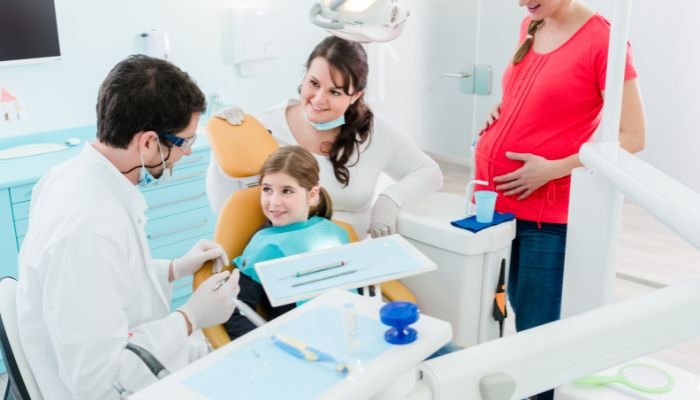
You might be feeling like keeping up with everyone’s health has turned into a second full time job. One child has a cavity, another needs a sports mouthguard, you are overdue for a cleaning with a patient-centered Fresno dentist, and your partner keeps ignoring that sensitive tooth. Every appointment seems to be at a different office, on a different day, with different forms and rules. It is exhausting.end
Because of that constant juggling, you may be wondering if there is any way to make dental care feel less scattered and more like one steady routine. That is where a family dentist can quietly change things for you. Instead of running in four directions, you bring everyone to one trusted office, build a long term relationship, and let that team help you stay ahead of problems instead of always reacting too late.
In short, a good family dentistry practice can simplify your life in four important ways. It puts everyone under one roof, keeps prevention at the center, makes treatment plans easier to understand and afford, and supports you as your children grow. Once those pieces are in place, dental care stops feeling like a crisis and starts feeling like a manageable part of your family’s routine.
Table of Contents
Why does family dentistry matter when life already feels so full?
The stress usually starts small. Maybe you miss one checkup because a work meeting ran long. Then a child’s toothache shows up on a weekend. Suddenly you are looking for an emergency dentist, filling out new patient forms, and hoping insurance will cooperate. What could have been a simple cleaning a few months ago has turned into a painful and expensive repair.
There is a quiet emotional cost too. Kids pick up on your stress. If every visit feels rushed or chaotic, they can start to fear the dentist. That anxiety can follow them into adulthood, which means they might avoid care when they need it most.
On top of that, it is hard to keep track of what everyone actually needs. Who is due for an exam. Who might need sealants. Who is at risk for gum disease. When each person sees a different provider, it is easy for important details to slip through the cracks.
So where does that leave you. Often it leaves parents feeling guilty and overwhelmed. You care deeply about your family’s health, yet the system feels fragmented and complicated. You are not alone in that feeling. Many families are in the same place, juggling schedules and bills and worrying that something important might be missed.
This is where family dentistry can make a real difference. By choosing one office that welcomes both adults and children, you create a single “home base” for dental care. That one choice can quietly remove a lot of the friction you feel today.
How does a family dentist actually simplify your healthcare routine?
To understand the value, it helps to look at what changes when your family has one trusted dental home instead of several scattered providers.
1. One office, one relationship, fewer moving parts
When everyone sees the same family dentist, scheduling becomes simpler. You can often book back to back appointments for siblings, or even for a parent and child together. That means fewer days off work and school, and fewer drives across town.
The emotional side matters just as much. Your children see the same faces at each visit. They watch you sit in the chair, answer questions, and get care, which quietly shows them that the office is a safe place. Over time, the team gets to know your family’s personalities, health history, and even your worries. That familiarity makes each visit calmer and more predictable.
2. Prevention becomes the default, not the afterthought
The Centers for Disease Control and Prevention explains that good oral health is closely tied to overall health, affecting how we eat, speak, and learn. You can read more about that connection in their overview of why oral health matters. A family practice that focuses on prevention uses that knowledge to keep small issues from turning into big ones.
Instead of waiting for pain, your family dentist tracks regular cleanings, fluoride, sealants, and early signs of gum disease. They remind you when someone is due, explain what is optional and what is important, and help you build simple routines at home. For children, that might mean talking about brushing, snacks, and sports safety. For adults, it might mean keeping an eye on blood pressure, diabetes risk, or medications that affect the mouth.
Because everyone is seen in one place, the dentist can also notice patterns. If several family members have weak enamel or a history of cavities, they can recommend extra protection and closer follow up.
3. Treatment plans become clearer and easier to manage
Money and time are real limits. A family dentist who knows your situation can help you prioritize. If two children both need work, they can help you decide what must be done now and what can safely wait. They can explain the options in plain language so you do not feel pressured or lost in technical terms.
When you are not bouncing between different specialists without context, you can have one honest conversation about goals, fears, and budget. That leads to fewer surprises and a clearer path forward.
4. Care grows with your children
Children’s mouths change quickly. Baby teeth appear, fall out, and make room for permanent teeth. Habits like thumb sucking or teeth grinding can affect how jaws grow. A practice that provides family dental care watches those changes from toddler years through the teen years and beyond.
The CDC shares simple, practical oral health tips for children that many family dentists reinforce at visits. When the same team supports your child over time, they can spot problems early, catch crowding before it becomes severe, and guide you on braces, mouthguards, and wisdom teeth at the right moments.
What are the real trade offs when choosing family dentistry?
You might still wonder how all this compares to seeing different providers for different needs. It can help to see the differences side by side, especially around stress, cost, and long term results.
| Question | Multiple Separate Dentists | One Family Dentistry Practice |
|---|---|---|
| How many offices and systems do you manage | Several different locations, forms, and policies | One office, one set of forms, one team |
| Scheduling impact on work and school | Separate visits on different days and times | Grouped appointments for parents and children |
| Consistency of care and records | History is split across offices and harder to track | Full family history in one chart, easier to monitor |
| Child comfort and anxiety | New environment and faces more often | Familiar staff and setting at every visit |
| Preventive focus | Depends on each office, may feel reactive | Shared prevention plan tailored to your whole family |
| Cost control over time | Higher risk of emergency visits and large treatments | More chance to catch problems early and spread costs |
If you want to understand why prevention matters so much, the CDC outlines several proven oral disease prevention strategies. A good family dentist builds those same ideas into your everyday care so you do not have to manage them on your own.
What can you do this week to move toward simpler family dental care?
You do not have to redesign your whole routine overnight. A few focused steps can start to shift dental care from scattered to steady.
1. Choose one practice to be your family’s dental “home”
Look for an office that welcomes both adults and children and that talks clearly about prevention. Read reviews, but also pay attention to how the team treats you when you call. Do they listen. Do they explain things without rushing. Ask about evening or weekend hours, emergency support, and how they handle insurance or payment plans.
Once you choose, move everyone’s next cleaning to that office so you can start fresh with a complete picture.
2. Get everyone on a shared preventive schedule
Ask the office to help you line up checkups for the whole family over the next year. Some families prefer to book everyone in the same week. Others prefer to spread visits across the year. There is no single right answer. What matters is that you have a clear plan and reminders in place so you are not relying on memory alone.
At those visits, ask the dentist to walk you through each person’s specific risks and needs in simple terms. Use that information to decide on fluoride, sealants, or other preventive steps that fit your situation.
3. Create simple, realistic routines at home
Even the best office cannot replace daily habits. Aim for brushing twice a day with fluoride toothpaste and flossing once a day for everyone who is old enough. For younger children, keep it playful and brief. You might use a short song or timer. For teens and adults, connect dental habits to existing routines like morning coffee or bedtime reading so they are easier to remember.
Most of all, keep the tone gentle. Shame rarely builds better habits. Encouragement and small wins do.
Bringing it all together so your family can breathe a little easier
You might still feel a bit overwhelmed, and that is understandable. You are carrying a lot. Yet with one thoughtful decision to center care around family dental services, you can remove many of the small daily frictions that wear you down. One office. One team that knows your story. One shared plan to keep everyone’s mouth as healthy as possible.
Over time, those small changes add up. Fewer surprise toothaches. Fewer last minute emergencies. More calm, predictable visits where your children see you taking care of yourself and learn to do the same.
You do not have to fix everything at once. Start by choosing a family dentist you trust, schedule that first round of checkups, and give yourself permission to take this one steady step at a time. Your future self, and your family, will be grateful you did.


