


You might be feeling a quiet unease about the world of accounting right now. Maybe you have seen headlines about fraud or misstated earnings, or you are responsible for financial decisions, and you find yourself wondering who you can really trust. You know numbers can be bent, reports can be polished, and pressure from bosses or clients can be intense. So when someone says “I am a Certified Public Accountant,” or “I am a CPA in Old Bethpage, NY,” you want to know what that really means for your safety and peace of mind.end
The short answer is this. The value of strong ethical standards in certified public accounting is not just about avoiding scandals. It is about protecting you from bad surprises, helping you make sound decisions, and preserving your sense that the system is at least trying to be fair. When ethical standards guide a CPA, you are not just buying technical skill. You are buying honesty, courage, and accountability under pressure.
So, where does that leave you when you are trying to understand what ethics in accounting actually look like in real life, not just in theory?
Table of Contents
Why ethical standards in accounting matter long before a scandal hits
Think about the last time you had to sign something important. Maybe it was a loan agreement, a partnership contract, or a tax return. Your name on that line meant you were taking responsibility, even if you did not prepare every page. If those numbers were wrong, you would be the one answering questions.
That is the daily reality for many business owners and leaders. They rely on CPAs to prepare, review, and explain financial information that others will trust. When a CPA follows strong ethical standards in accounting, they do more than balance the books. They act as a guardrail between you and serious risk.
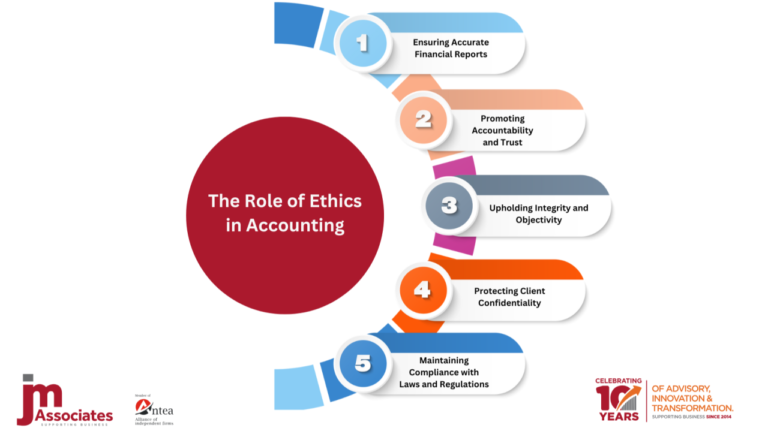
The American Institute of CPAs has a formal Code of Professional Conduct. It covers things like integrity, objectivity, independence, and due care. That might sound abstract. In practice, it means a CPA must tell you the truth, avoid conflicts that cloud their judgment, stay independent when required, and do the work carefully enough that a knowledgeable peer would see it as reasonable.
Because of this tension between business goals and honest reporting, you might wonder what happens when those values clash with real-world pressure.
When pressure meets ethics in certified public accounting
Here is the problem. The pressure on CPAs does not usually come in the form of someone saying, “Please commit fraud.” It comes in softer, more human ways. A manager hints that “we really need these numbers to look better this quarter.” A client suggests, “We can always fix it next year.” A partner shrugs and says, “Everyone does it this way.”
That is where the value of strong CPA ethics shows up. An ethical CPA will slow the conversation down. They will explain the rules, the risks, and what can or cannot be done. They might upset people in the short term. They might even lose a client. Yet that uncomfortable moment protects you from something worse later, like an audit adjustment, penalties, or allegations of fraud.
Consider two simple “what if” scenarios.
What if a company is close to breaching a loan covenant? There is pressure to record revenue a little early to hit the target. An ethical CPA refuses, explains why this is improper, and documents the discussion. The company might miss the target, but they handle it honestly with the bank. Trust is strained, but not broken, and the issue is manageable.
Now imagine the opposite. The CPA agrees to “pull” revenue from next year into this year. The loan is renewed, bonuses are paid, and everyone is relieved. A year later, sales soften, the pattern continues, and the numbers drift further from reality. When the bank or regulators uncover the pattern, the fallout can include restated financials, loss of financing, reputational damage, and in some cases, disciplinary action against the CPA. The short-term relief created long-term harm.
Researchers and professional bodies have studied these kinds of situations for decades. Historical AICPA materials on professional ethics in public accounting show that the same themes repeat. Small ethical compromises add up, pressure builds, and the cost of fixing things later is always higher than doing the right thing early.
So how do you weigh the value of a highly ethical CPA against one who treats standards as a box to tick?
Comparing ethical rigor in CPAs: what difference does it really make?
When you look at the value of ethical standards in certified public accounting, it helps to compare what your world looks like with and without them. The differences show up in stress levels, financial risk, and trust with others who rely on your numbers.
| Area | CPA with strong ethical standards | CPA with weak or unclear standards |
|---|---|---|
| Quality of information you receive | Clear explanations, realistic numbers, transparent assumptions | Optimistic or vague numbers, limited clarity on judgments |
| Risk of regulatory or tax problems | Lower risk because rules and guidance are followed carefully | Higher risk of audits, penalties, or restatements |
| Stress during audits or reviews | Uncomfortable but manageable, supported by solid documentation | High anxiety, scrambling for support, surprises under scrutiny |
| Long-term reputation with lenders and investors | Steady trust, even if results are not always flattering | Short-term approval that can collapse after one serious issue |
| Decision making inside your business | Based on reliable data that reflects reality | Based on distorted or incomplete information |
This is why the value of ethical standards in certified public accounting is so practical. It is not a nice-to-have. It changes your day-to-day experience. It affects how you sleep at night, how you plan, and how you face questions from others who depend on your financial information.
So, what can you do now to bring more of that ethical strength into your own situation?
Three concrete steps to bring ethics to the center of your accounting work
1. Ask values-based questions before you hire or retain a CPA
Technical questions matter, but character questions matter more. When you talk with a CPA, ask things like “Can you tell me about a time you said no to a client and why?” or “How do you handle it when management wants something you are not comfortable with?” Notice whether they give specific, honest stories or if they only speak in generalities.
You can also ask how they use the AICPA Code of Professional Conduct in their daily work. A thoughtful answer signals that they see ethics as a living guide, not just a document on a shelf.
2. Set clear expectations about integrity inside your own organization
Even the most principled CPA will struggle if your internal culture rewards “making the numbers” at any cost. Communicate to your team that you would rather face hard truths than smooth lies. Put this in writing where appropriate. For example, in finance policies or in a code of conduct for your staff.
Encourage people to raise concerns about accounting treatments without fear of punishment. When someone questions a number or a method, thank them for speaking up, even if it slows things down. That simple habit makes it easier for a CPA to uphold high standards, because they know you will back them when they take the careful route.
3. Make ethics part of every important financial decision
When you sit with your CPA to review a tough decision, such as revenue recognition, reserves, or tax positions, add one more question to the discussion. “If this choice were explained on the front page of a newspaper to my customers, my employees, and my family, would I be comfortable with it?”
This simple test shifts the focus from “Can we justify this?” to “Is this honest and fair?” A strong CPA will welcome that question. It gives them room to speak up if something feels too aggressive, and it keeps you aligned around long-term trust instead of short-term gains.
Holding on to trust through strong ethics in public accounting
You do not need to become an expert in accounting rules to benefit from them. What you need is a relationship with a Certified Public Accountant who treats those rules and the related standards as guardrails rather than obstacles. When you work with someone guided by strong ethical standards, you gain more than accurate reports. You gain a partner who will tell you the truth when it counts, even when that truth is uncomfortable.
The value of ethical public accounting services shows up in the crises that never happen, the audits that end without drama, and the quiet confidence you feel when you sign your name. You are not alone in wanting that kind of security. Many people feel the same worry and the same need for dependable guidance.
You can start small. Ask better questions. Set clearer expectations. Invite your CPA into honest conversations about pressure and risk. Over time, those small steps build a culture where ethics is not an afterthought. It becomes the steady foundation that supports every number you share with the world.


