

Working outdoors can be a variety of things, including positive, in terms of fresh air, space to move around, and a variety of things to do. However, on the negative side, there is strong sunshine, high temperatures, humidity, wind, and limited shade to take cover from work.
Not only can these conditions make work uncomfortable, they can also make it harder to do your job well. The sun, heat, humidity, wind, and lack of shade can cause workers to lose focus, become slower to react, and even suffer from dehydration or heat illness. Even very experienced workers can be affected by changes in the weather, and by long periods of hard work at physical tasks.
As we mentioned earlier, staying refreshed and being comfortable on the job are key to higher productivity. Here are a few simple practices that you and your workers can put into practice on a daily basis.
Table of Contents
Begin the Day Properly Hydrated
Hydration should start before the workday begins.
The act of drinking water after you have become thirsty has already caused your body to lose more fluid than it has taken in to dilute. So by the time you feel the need to take a drink to quench your thirst your body will already be in a state of dehydration and you will feel tired even if you are just doing normal tasks such as lifting, digging, mowing, carrying objects and materials and operating heavy equipment.
Water should be readily available to employees throughout the work site. The water should be close enough to where employees are working so that employees have to get up from their task only to drink water. Employees are more likely to drink water if it is close by rather than having to go all the way to the end of the work site to get a cold drink of water.
Drinking small amounts of water throughout the day is better than waiting until you feel thirsty. It can take some time for the body to lose a large amount of water and begin to feel the effects of dehydration. For example, you may start to feel tired when you are usually full of energy. Many people begin their day dehydrated and then try to drink water for the rest of the day. In order to stay hydrated throughout the day, it is best to have water available throughout the worksite. If water is not close by, then it can be counterproductive to your work and take you away from your tasks for an extended period of time.
Other beverages besides water that have sugar, like sports drinks and soda, and drinks with high amounts of caffeine and the energy that comes from it, like energy drinks, can in some instances make a person feel tired sooner rather than later. These type of beverages can also give a person a stomachache when it is very hot outside, so it is best to stick to water as your primary means of hydration when you are going to be outside for a long period of time.
Wear Clothing Designed for the Conditions
The Work Clothing should protect the body at work without producing too much heat.
Choose light and airy work clothing to keep your body cool. This type of clothing allows air to reach your skin and helps the moisture from your sweat to evaporate. Loose-fitting clothing is often more comfortable than tight-fitting clothes, unless the loose-fitting clothes could get caught in tools or in equipment.
Colors matter too. While darker colors absorb more heat than lighter ones, the latter will reflect it, keeping you cooler. When choosing long sleeves for warm weather, choose lightweight, tightly woven ones to shield your skin from sun exposure.
The same principles can be applied when wearing a hard hat on the job. Sun shades for hard hats and neck covers are available. However, the items used must be safe for use on the job and must be compatible with other equipment. Additional items such as moisture-wicking socks, supportive shoes, and dry replacements for sweat-drenched garments and socks can all help to keep workers comfortable throughout the long workday. Workers are more likely to feel good at the end of the day if they have worn items to work that have helped to prevent problems like irritation, blisters, and chafing.
Having a supply of moisture-wicking socks, good fitting footwear, and dry change of clothing can all help reduce discomfort caused by sweating. Wet, sweaty socks can cause irritation, blisters and sore spots, so it is best to change them regularly throughout the day.
Plan Demanding Tasks Around the Weather
The hottest time of day, generally late afternoon, is not a suitable time for demanding physical work. Such work can be completed during morning hours or late in the day when temperatures are lower.
Work your hardest tasks in the morning and late in the day. Complete less strenuous work in the hot part of the day. Supervisors should review weather forecasts for the night before and for the next day prior to assigning work for their employees.
The supervisor should review the weather forecast for the day prior to the employee’s shift. While temperature is an important factor, other factors that affect the apparent temperature such as humidity, sun, wind, and the amount of protective clothing worn, must also be taken into account.
Work schedules must remain flexible. Work that is normally considered to be routine on a dry morning can quickly become arduous during the humid afternoon.
Employers who work in hot environments can refer to OSHA guidelines for specific information on recognizing heat related illnesses, early signs of heat related illnesses, and ways to mitigate heat related illnesses.
Create Reliable Sources of Shade
Shade can make a major difference during breaks and equipment operation.
A shaded rest area is one of the best things for the body when it is working outdoors in the sun. The shaded area can be under a canopy, a temporary building, a covered trailer, a tent or even a building. The best shaded rest areas have seating and water nearby.
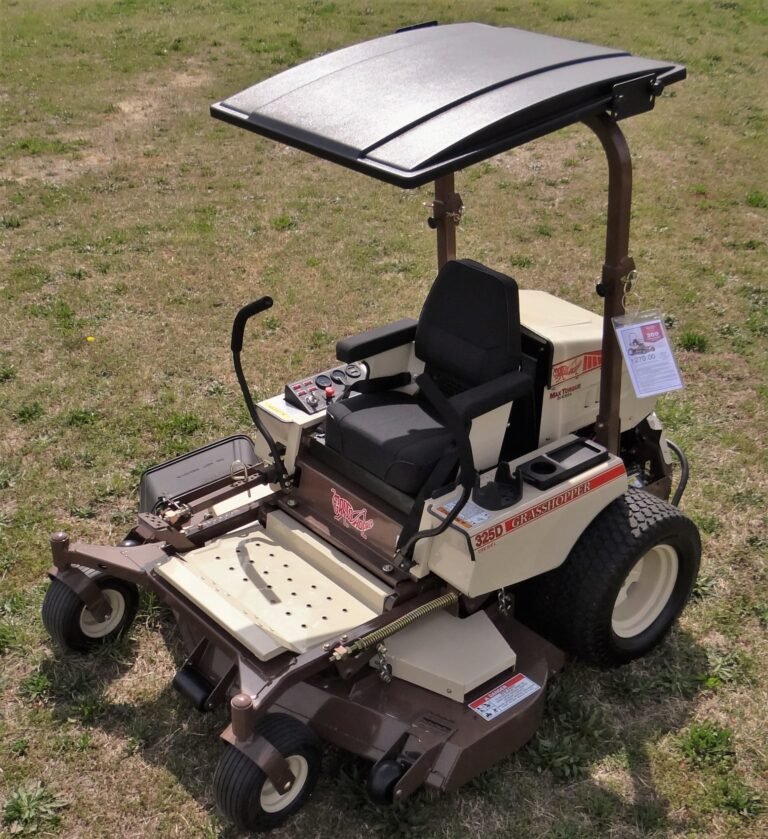
Shade is a critical component for all workers spending long periods of time outside in the sun. A lawn mower canopy, for example, can help a lawn care worker who maintains large properties, sports fields, farms or commercial grounds for a living. While providing critical relief from the sun, shade does not replace other critical components such as hydration, sunscreen and regular cool breaks.
If using a portable shelter such as an umbrella, make sure that it is properly secured to the ground. Wind can easily turn such an item into a hazard, move it to another location, or even blow it over. Also, make sure that the shaded area is not near any areas where there may be falling objects, moving vehicles, or any hazardous materials that could emit fumes into the area. Also, be sure to keep workers away from any hot equipment such as engines.
Keep an eye on the position of the sun as the day goes on and make sure that your shelter is offering the same amount of protection in the afternoon as it did in the morning. If it’s not then consider moving it.
Take Short, Regular Cooling Breaks
Short breaks can help a great deal to give the body time to cool down, even though a single break of a few minutes does not give the worker enough time to recover completely from heat. However, the sum of several short cooling breaks can be more effective to combat heat than a single long break in which the worker gets so exhausted that he or she is no longer able to continue work until after complete recovery from heat.
The frequency of cooling breaks should be determined by the temperature, the amount of physical work a worker will perform, the type of clothing a worker will wear, and the individual worker. A worker performing hard work while wearing heavy protective clothing will most likely require more time for cooling breaks than a lawn care worker mowing a lawn in shaded areas.
Give your workers’ bodies time to recover from the heat by taking short cooling breaks throughout the day. These can be as short as 10 minutes. Workers should sit or stand in the shade during their cooling breaks, and during this time, they should drink plenty of water, remove excess clothing, and allow their body to return to normal from its hard work by slowing their heart rate and breathing. Using cool, damp towels on the neck or forehead can also help to cool down a worker. If possible, a fan can be used to keep the air cool when temperatures are not extreme.
Take regular cooling breaks. Short periods of recovery can do more good than longer periods between tasks. Breaks should be scheduled into work and viewed as an essential part of the work. Strenuous work while feeling severely discomforted can result in error, injury or even more time lost from work in the long run.


