

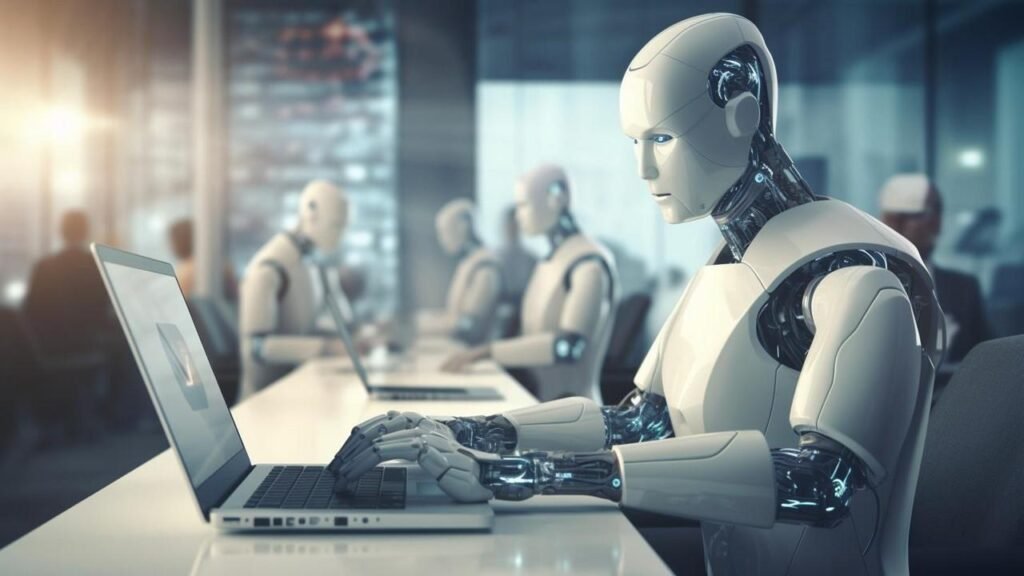
The increasing role of artificial intelligence in human resources has sparked a debate: Will AI replace HR professionals? As automation and machine learning reshape recruitment, performance management, and workforce analytics, some fear that traditional HR roles may become obsolete. However, the truth is more nuanced. AI is not here to eliminate HR but rather to enhance its capabilities, making processes more efficient and data-driven. Companies that embrace AI-driven HR solutions are gaining a competitive advantage by improving hiring accuracy, reducing administrative tasks, and personalizing employee experiences. To learn more about the evolving role of AI in HR, visit website for insights on the latest advancements.
AI is transforming HR, but human expertise remains critical. Instead of replacing HR Consultancy, AI is enabling them to focus on what truly matters—building relationships, fostering engagement, and creating inclusive workplace cultures.
Table of Contents
How AI is Changing Recruitment and Hiring
Hiring the right talent has always been a complex process. AI-powered recruitment tools are revolutionizing how companies attract, screen, and hire candidates by reducing bias, streamlining decision-making, and improving efficiency.
AI enhances recruitment by:
- Automating resume screening and shortlisting top candidates based on predefined criteria.
- Using predictive analytics to assess candidate suitability for a role based on past hiring data.
- Conducting AI-driven interviews using natural language processing to analyze responses.
- Reducing unconscious bias by focusing on skills and experience rather than personal factors.
While AI speeds up the hiring process and improves accuracy, it cannot replace the human judgment needed for final hiring decisions. HR professionals bring emotional intelligence, cultural awareness, and an understanding of interpersonal dynamics that AI lacks.
Enhancing Employee Management with AI
AI-driven HR platforms are making employee management more data-driven and personalized. From onboarding to performance tracking, AI tools provide real-time insights that help HR teams create more effective strategies.
Some of the key areas where AI improves employee management include:
- Automating administrative tasks like payroll processing and benefits enrollment.
- Providing real-time employee sentiment analysis to gauge engagement and well-being.
- Personalizing learning and development programs based on employee career paths.
- Optimizing workforce planning by predicting future talent needs and skill gaps.
AI’s ability to analyze large datasets allows HR teams to make informed decisions quickly. However, AI alone cannot create a strong workplace culture or address the emotional and psychological needs of employees.
The Role of AI in Performance Management
Traditional performance reviews often rely on periodic assessments that may not reflect an employee’s real-time contributions. AI-powered performance management tools offer continuous feedback and data-driven insights to help employees grow.
AI enhances performance management by:
- Tracking employee progress through key performance indicators (KPIs) and project outcomes.
- Identifying patterns in employee behavior that signal engagement or potential burnout.
- Offering personalized coaching recommendations based on performance data.
- Enabling managers to provide more objective, data-backed feedback.
Despite these advantages, performance evaluations require human insight. AI can highlight trends, but it cannot replace meaningful conversations between employees and managers that drive motivation and professional development.
AI and Employee Engagement
Maintaining employee engagement is one of HR’s biggest challenges, and AI is helping organizations address it through predictive analytics and real-time feedback mechanisms. AI tools can measure engagement levels through surveys, chatbots, and sentiment analysis, allowing HR teams to identify issues before they escalate.
AI-driven engagement strategies include:
- Analyzing employee feedback to detect early signs of disengagement.
- Automating surveys and feedback loops to gauge job satisfaction.
- Personalizing wellness programs and work-life balance initiatives.
- Recommending tailored rewards and recognition programs.
While AI can provide valuable insights, HR professionals are essential in acting on these findings, fostering a culture of trust, and ensuring employees feel heard and valued.
The Limitations of AI in HR
While AI offers efficiency and precision, it has limitations that make human oversight necessary. Some of the challenges include:
- Lack of emotional intelligence, making it difficult to handle sensitive employee issues.
- Potential biases in algorithms, which can lead to unintended discrimination if not monitored.
- Difficulty in assessing cultural fit, which requires human intuition and judgment.
- Over-reliance on data, which may not always capture the complexities of human behavior.
AI should be seen as a tool that supports HR rather than replaces it. The most successful organizations use AI to enhance decision-making while ensuring human expertise remains at the forefront.
Finding the Right Balance Between AI and Human HR Teams
The future of HR lies in a balance between AI-driven efficiency and human-centered leadership. Organizations that leverage AI effectively while maintaining a strong HR presence will be better positioned to attract, retain, and engage top talent.
Best practices for integrating AI into HR include:
- Using AI for administrative and repetitive tasks while allowing HR professionals to focus on strategic initiatives.
- Ensuring AI-driven hiring tools are regularly audited for fairness and accuracy.
- Providing HR teams with training on how to interpret and act on AI-generated insights.
- Maintaining a strong human presence in areas that require empathy, ethics, and interpersonal skills.
When AI and human expertise work together, HR departments become more agile, responsive, and impactful.
The Future of AI in HR
AI is shaping the future of HR, but it will not eliminate the need for human professionals. Instead, it is redefining roles, making HR more strategic, data-driven, and employee-focused. Future advancements may include:
- AI-powered career coaching that helps employees navigate professional development.
- Smart HR chatbots that provide instant support for employee queries.
- AI-driven diversity and inclusion programs that ensure fair hiring practices.
- Advanced workforce analytics that predict trends and inform HR policies.
Companies that embrace AI while maintaining a strong human touch will build workplaces that are efficient, inclusive, and innovative. The goal is not to replace HR but to empower it with smarter tools that enhance decision-making and employee experiences.
Conclusion
AI is not replacing HR but revolutionizing it. By automating tasks, enhancing recruitment, and providing real-time insights, AI enables HR professionals to focus on what truly matters—creating a positive work environment, supporting employees, and fostering long-term engagement. Organizations that find the right balance between AI-driven efficiency and human expertise will lead the way in building workplaces of the future.
HR is evolving, but it will always need the human touch. With AI as a powerful tool, HR professionals can create smarter, more inclusive, and more people-focused workplaces that benefit both employees and businesses.