

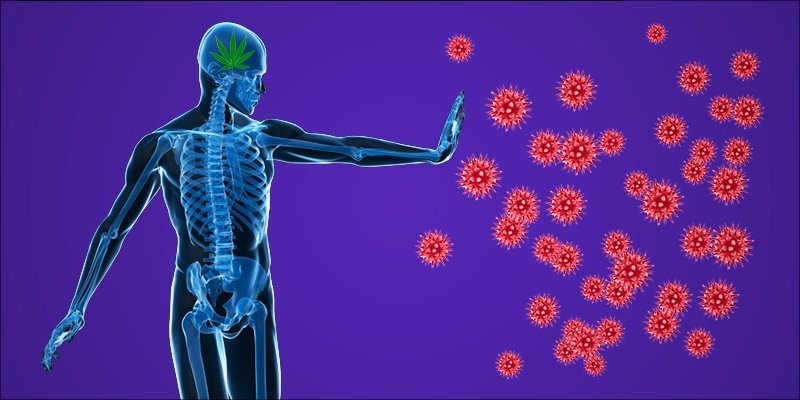
Autoimmune diseases are as complex as they are challenging. Affecting numerous individuals worldwide, these conditions, where the body’s immune system mistakenly attacks its own cells, demand attention. But how do we navigate such a multifaceted health issue? A holistic approach, addressing the physical, mental, and emotional aspects, may hold the key to better management and healing.
Table of Contents
Understanding Autoimmune Diseases
Autoimmune diseases represent a broad spectrum of disorders where the body’s immune system, which is designed to protect against disease, mistakenly attacks healthy cells. This erroneous attack leads to chronic inflammation and tissue damage, manifesting in a variety of symptoms such as fatigue, joint pain, skin rashes, and fever, which can range from mild to debilitating. The diversity of autoimmune diseases – including rheumatoid arthritis, lupus, and multiple sclerosis – means that each condition has its unique symptomatology and progression pattern.
Understanding these diseases is more than just a medical challenge; it’s about comprehending how they affect individual lives. The variability in symptoms and triggers necessitates a personalized approach to treatment and management. Recognizing the specific needs and experiences of each patient is crucial in providing effective care and support. This understanding forms the foundation upon which treatment plans are built, ensuring they are as unique as the individuals they are designed for.
Conventional Medical Treatments
Conventional treatment strategies for autoimmune diseases typically focus on suppressing the immune system’s abnormal response and reducing inflammation. This involves a range of medications, including nonsteroidal anti-inflammatory drugs (NSAIDs) for pain relief, corticosteroids to reduce acute inflammation, and disease-modifying antirheumatic drugs (DMARDs), which work to slow down the disease progression. Biologic agents, a newer class of DMARDs, target specific pathways in the immune system and have shown promise in treating certain autoimmune conditions.
While these treatments can be effective in managing symptoms and improving quality of life, they often come with potential side effects. Long-term use of corticosteroids, for example, can lead to complications like osteoporosis and high blood pressure. Therefore, it’s essential for patients to have regular consultations with their healthcare providers to monitor the effects of these medications and adjust treatment plans as needed. Personalized medical care takes into account the unique ways these diseases manifest in each patient, allowing for a more targeted and effective treatment approach. This individualized treatment strategy is key in managing the complexities of autoimmune diseases, aiming to minimize symptoms and maximize quality of life.
Diet and Nutrition
Diet plays a crucial role in managing autoimmune diseases. Certain foods can exacerbate inflammation, while others can help reduce it. Patients are often advised to avoid processed foods, excessive sugar, and certain fats. On the other hand, a diet rich in fruits, vegetables, lean proteins, and whole grains can support immune function and overall health. The gut-health connection is also significant, as a healthy gut can help regulate immune responses. But what specific dietary changes can provide the most benefit?
Exercise and Physical Activity
Exercise is beneficial for those with autoimmune diseases, but it’s about finding the right balance. Moderate exercise can improve strength, flexibility, and overall well-being. However, overexertion can trigger flare-ups. Low-impact activities like walking, swimming, or yoga can be particularly beneficial. It’s important for individuals to listen to their bodies and tailor their exercise routines accordingly. How can one develop an exercise plan that is both effective and sustainable?
Stress Management and Mental Health
The intricate connection between stress, mental health, and autoimmune diseases is well-established in medical research. Chronic stress not only exacerbates the physical symptoms of autoimmune diseases but can also be a catalyst for flare-ups, significantly impacting the course of the disease. Managing stress effectively is, therefore, crucial. Techniques such as mindfulness, meditation, and cognitive-behavioral therapy have proven beneficial in reducing stress and improving mental resilience.
The practice of these techniques can lead to a notable improvement in overall emotional well-being, which in turn, can have a positive effect on physical health. Incorporating these practices into daily routines might seem challenging, but even small steps can make a significant difference. Regular mindfulness exercises, for instance, can help in developing a more balanced response to stressors. The role of mental health professionals in this process is invaluable. They can provide tailored strategies to manage stress and support patients in navigating the complex emotional landscape that often accompanies autoimmune diseases. By prioritizing mental health and stress management, individuals with autoimmune diseases can take an active step toward improving their quality of life.
Medical Marijuana and Autoimmune Diseases
Medical marijuana has gained prominence as a potential treatment option for managing the debilitating symptoms of autoimmune diseases. Known for its properties in alleviating chronic pain, reducing inflammation, and improving sleep quality, medical marijuana offers a ray of hope where traditional treatments may fall short. In Mississippi, the use of medical marijuana for specific medical conditions, including various autoimmune diseases, is governed by the Mississippi Medical Cannabis Act. To legally access medical marijuana, patients must obtain a Mississippi medical marijuana card, a process that involves certification from a healthcare provider registered with the state’s medical cannabis program.
This certification process is critical as it ensures that patients receive proper guidance on dosage and access to quality-controlled cannabis products specifically designed for medical use. While the efficacy and safety of medical marijuana continue to be topics of ongoing research and debate, its potential benefits for those suffering from autoimmune diseases cannot be overlooked. Patients in Mississippi considering medical marijuana must weigh its pros and cons, understand the legalities, and consult healthcare professionals to make informed decisions about incorporating it into their treatment regimen.
Alternative Therapies and Complementary Medicine
In addition to conventional treatments, alternative therapies can play a crucial role in managing autoimmune diseases. Therapies like acupuncture, herbal supplements, and chiropractic care have shown benefits in reducing pain and inflammation. These therapies can complement traditional medical treatments, offering a more comprehensive approach to disease management. However, it’s important to consult healthcare professionals when integrating these therapies to ensure safety and efficacy. What alternative therapies have shown the most promise, and how can they be safely incorporated into treatment plans?
Building a Support System
A strong support system is invaluable for those battling autoimmune diseases. Support can come from family, friends, healthcare professionals, and support groups. These groups offer a platform for sharing experiences and advice, providing emotional support that is crucial in managing chronic diseases. Community events and fundraisers also play a role in raising awareness and supporting research. How can individuals build and engage with a supportive network, and what role can the wider community play in this process?
Conclusion
Managing autoimmune diseases requires a holistic approach that considers the physical, mental, and emotional aspects of health. From conventional medical treatments to diet, exercise, and stress management, each element plays a crucial role in enhancing the quality of life for patients. The potential of medical marijuana, especially in regulated states like Mississippi, adds another layer to this comprehensive approach. By understanding and integrating these various aspects, individuals with autoimmune diseases can embark on a more informed and empowered journey toward healing and wellness.