

Upgrading or replacing your garage door can completely transform the look of your home and enhance its security. However, a smooth installation depends on careful preparation before the professionals even arrive. Taking the right steps ahead of time not only helps the installation process go faster but also reduces the risk of damage or unexpected delays.
To help you out, here are several practical tasks every homeowner should consider before installation day.
Table of Contents
Clear Space and Protecting Surroundings
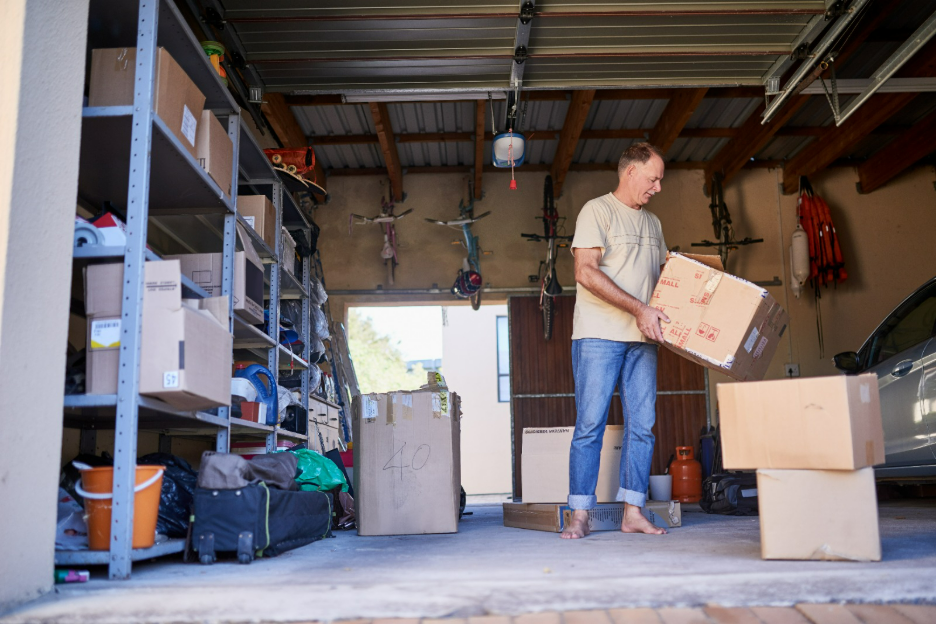
Creating an open, obstacle-free area is essential for a successful garage door installation. Remove vehicles, bicycles, tools, and other stored items from the garage. This gives installers plenty of room to work and prevents accidental damage to your belongings. Don’t forget to also clear the driveway if possible, as equipment delivery and installation often require easy access from outside.
Covering nearby surfaces is equally important. Floors, walls, and even landscaping near the garage can benefit from protective sheets or tarps. Small precautions, like placing cardboard or mats under ladders and tools, reduce the chances of scratches or stains. Taking a few minutes to safeguard your property can save a lot of stress later.
Check Measurements and Structural Requirements
Accurate measurements ensure the new garage door fits perfectly and operates smoothly. Measure the width, height, and headroom of the garage opening. Double-check the space above the opening and around the sides, as some doors require additional clearance for tracks and hardware. Providing precise measurements to the installation team can prevent delays caused by misfit parts or last-minute adjustments.
Structural integrity also plays a key role in safety. Inspect the frame, walls, and ceiling for signs of damage or weakness. Rotting wood, loose bricks, or unstable supports need attention before installation. Addressing these issues ahead of time ensures the new door operates reliably and prevents future maintenance problems.
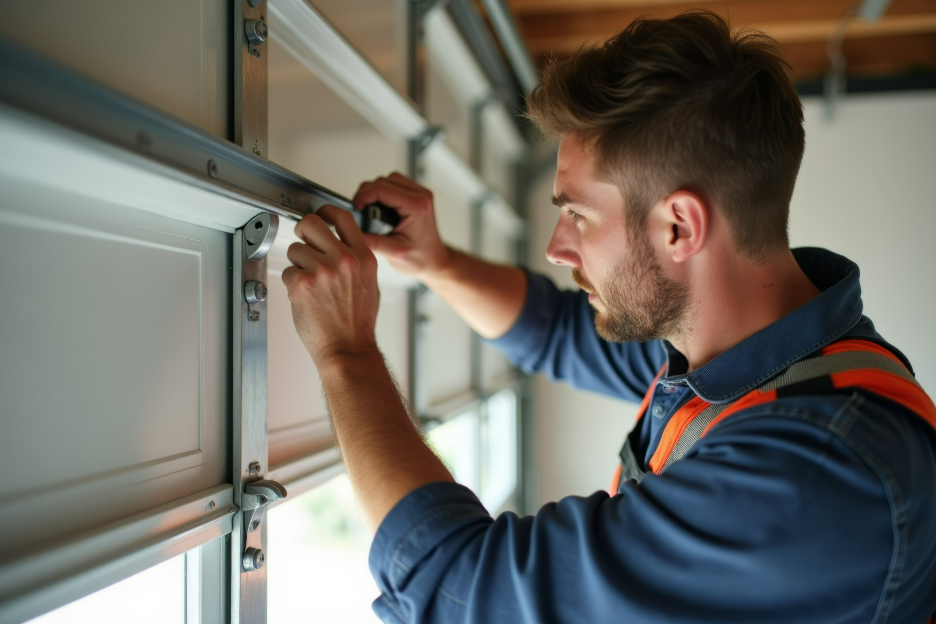
For a stress-free experience, schedule consultations with garage doors Perth installers you can trust. They can assess the room, take precise measurements, and recommend the best door options to suit your space and style.
Prepare Electrical Connections
Many modern garage doors include automatic openers, which rely on a stable electrical connection. Verify that an outlet is available near the intended opener location and that it meets the required voltage. If your garage doesn’t have an outlet in the right place, now is the time to hire a licensed electrician.
Check lighting and wiring as well. Proper illumination makes the installation process safer and easier for the crew. Consider temporary lighting if your garage is dim. Ensuring a ready electrical setup saves time and avoids unnecessary interruptions during installation.
Organize Tools and Materials
Even though professional installers bring their own equipment, having basic tools and supplies on hand can be helpful. Keep a level, measuring tape, and protective gloves nearby. These items can assist if minor adjustments are needed or if the installers require quick access to measurements.
Organizing your materials beforehand also contributes to a smoother process. Keep packaging, screws, brackets, and other small components together in labeled containers. This reduces the chances of misplacing crucial parts and keeps the work area tidy, improving efficiency and safety for everyone involved.
Secure Pets and Children
Safety becomes especially important when heavy machinery and moving doors are involved. Make sure pets are safely confined to another area of the home or temporarily taken elsewhere. Their presence near the installation site can pose serious risks.
Similarly, ensure that children stay out of the garage and driveway during installation. Even well-trained installers can face hazards if unexpected distractions occur. Communicating these precautions to family members ahead of time helps maintain a controlled, safe environment.
Plan for Weather Conditions
Weather can impact garage door installation, especially if parts of the project take place outside. Choose a day with mild weather if possible, avoiding heavy rain, snow, or extreme heat. Wet surfaces create slipping hazards, while cold or hot temperatures can affect materials and tools.
Protect your home and garage from the elements during installation. Temporary coverings like tarps or plastic sheeting can prevent water or debris from entering the garage. Being proactive about weather conditions keeps the project on schedule and ensures quality workmanship.
Wrapping Up
Preparing your home before garage door installation makes the process smoother and safer. Clearing space and protecting surfaces prevents accidental damage. Checking measurements and structural stability ensures the door fits and works properly. Organizing tools and materials saves time, while handling electrical setup and lighting avoids delays. Keeping pets and children out of the way reduces safety risks. Planning for weather protects both the garage and the installers.
Taking these steps ahead of time reduces stress and allows the installation to proceed efficiently. When everything is ready, you can enjoy a well-functioning, attractive garage door without unexpected setbacks. A little preparation goes a long way in making the experience seamless and hassle-free.