

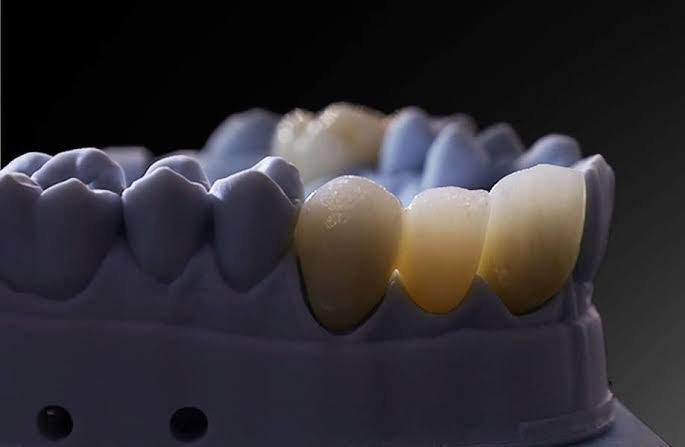
You might be tired of feeling like your mouth is a construction site. A filling here, a crown there, something breaks, something leaks, and you start to wonder if anything in your mouth is meant to last. You sit in the chair, hear about “new materials” and “better options” like dental implants in Newburgh, NY, and part of you thinks, “I have heard this before.”end
If that sounds familiar, you are not alone. Many people feel frustrated when dental work fails earlier than they expected. It is not just the money. It is the time off work, the anxiety before each appointment, and the quiet fear that your teeth are slowly losing the battle.
That is where bioceramics come in. In very simple terms, they are advanced ceramic-based materials that can bond with your tooth, seal it tightly, and stay stable inside your body. When used well, bioceramics can make restorative dentistry more durable, more comfortable, and often more forgiving for the tooth.
So here is the short version. Bioceramics help your dentist create longer lasting fillings, root canal treatments, and repairs by mimicking some of the good qualities of natural tooth and bone. They seal better, tolerate moisture more kindly, and tend to be kinder to your body. The result is not magic, but it is a real step toward dental work that you do not have to think about every year.
Table of Contents
Why do traditional restorations keep failing, and where do bioceramics fit?
Think about what your teeth go through in a single day. Hot coffee, cold water, chewing, grinding, clenching, maybe a snack at midnight. Older materials, like some traditional cements or metals, can expand, contract, or leak at the edges over time. When that happens, bacteria sneak in, decay starts under the restoration, and suddenly the tooth that was “fixed” is painful again.
This is not just annoying. It is a cycle. A small filling becomes a bigger filling. Then a crown. Then a root canal. Sometimes an extraction. Each step costs more money and takes a bigger emotional toll. You might start feeling guilty, even though you are brushing and doing your best.
So where do bioceramic restorative materials change this story. These materials are designed to be highly stable in the mouth, to seal the tooth tightly, and in some cases to encourage your own tissues to heal against them. That means fewer open gaps where bacteria can hide and a better chance that the repair will last.
Researchers have been working for years to improve dental materials so that they are stronger, safer, and longer lasting. If you are curious about the science behind this, the National Institute of Dental and Craniofacial Research shares helpful updates on ongoing dental materials research.
What makes bioceramics different from “regular” materials?
Imagine two types of repair. One simply plugs a hole. The other plugs the hole, bonds tightly to the edges, and invites the surrounding tissue to accept it. Bioceramics are closer to the second type.
Here are a few key differences that matter to you.
First, bioceramics are usually very biocompatible. That means your body generally tolerates them well. They do not tend to trigger strong inflammatory reactions. For someone who has had sensitivity or irritation from past materials, this can be a relief.
Second, many bioceramics can form a chemical bond with tooth structure or create a very tight seal. In root canal treatments, for example, bioceramic sealers are used to fill and seal the cleaned canals. Studies have shown that this tight seal can help reduce leakage and support better long term outcomes. One recent review available through PubMed Central explains how these materials interact with dentin and support healing in endodontic procedures, which you can explore in more detail in this clinical overview of bioceramic use in dentistry.
Third, some bioceramic materials are “bioactive.” This means they can release helpful ions, like calcium, which can support mineralization around the material. In practical terms, this can help your tooth form a more protective barrier around the repair.
Finally, bioceramics handle moisture better than many older materials. Teeth are not perfectly dry, especially during deeper repairs. Materials that can still perform in a slightly moist environment give your dentist a better chance of success, especially in challenging areas.
How do bioceramics actually show up in your dental treatment?
You may not hear the word “bioceramic” when you sit in the chair. Instead, you will hear about root canals, crowns, or fillings. Here is where bioceramics often come into play.
In root canal therapy, bioceramic sealers and cements are now widely used. They help seal the canals and the root tip, which reduces the risk of infection coming back. In some cases, a bioceramic material is placed at the very end of the root to repair a defect or close a surgical access.
In restorative dentistry, bioceramic based cements are used to bond crowns, inlays, and onlays to your teeth. These cements can create a strong and stable connection, which helps prevent loosening or leakage at the edges.
Bioceramic putties and repair materials are also used to fix perforations in the root or to cover exposed pulp in certain situations. These are high stress, high risk areas. Using a material that supports healing and seals well can mean the difference between saving and losing a tooth.
Researchers, dentists, and material scientists are constantly testing how these materials compare to older options. If you like to see data and longer term planning, the NIDCR has a forward looking resource on future directions for dental materials that shows how seriously durability is being taken.
Bioceramics vs traditional materials in restorative dentistry: what should you weigh?
So, where does that leave you when you are trying to choose what goes into your mouth. You want something that lasts, feels comfortable, and does not wreck your budget.
The table below compares some general features of durable bioceramic based restorations with more traditional non bioceramic options. This is a simplified guide, not a strict rule, since different products perform differently.
| Factor | Bioceramic based options | Traditional non bioceramic options |
|---|---|---|
| Seal against leakage | Usually very tight seal, especially in root canals and cements | Good, but more prone to microleakage over time in some cases |
| Biocompatibility | Generally excellent, low irritation, supports tissue healing | Varies by material, some can irritate pulp or tissues |
| Handling moisture | Often tolerant of slight moisture, which helps in deep areas | Many require very dry field to perform optimally |
| Longevity potential | High, especially when combined with good technique and hygiene | Good, but may be more prone to breakdown or leakage in the long term |
| Cost at time of treatment | Can be higher than some older materials | Often lower upfront cost, especially for basic options |
| Re treatment risk | Lower risk when properly used, due to better seal | Higher risk of needing repairs or replacements over time |
The emotional piece matters too. When you choose materials that support durability and sealing, you are choosing fewer repeat procedures in the future. That means fewer days rearranging your schedule and fewer worries about the same tooth acting up again.
Three practical steps to make smarter choices about durable restorative dentistry
You do not have to become a material scientist to benefit from modern options. A few focused questions and habits can protect you for years.
1. Ask your dentist what materials they plan to use and why
Before a crown, root canal, or large filling, ask, “What kind of material or cement are you planning to use, and how does it help this tooth last longer.” You can also ask directly whether bioceramic based materials are an option for your situation. The point is not to challenge your dentist. It is to start a clear, respectful conversation about durability, sealing, and long term outcomes.
2. Weigh upfront cost against long term stability
It is understandable to choose the cheapest option when money is tight. Still, it can help to ask, “If I choose this material, what are the chances I will need this redone in five to ten years.” Sometimes paying a bit more now for a stronger, better sealed restoration can spare you a much larger bill later. This is especially true for root canals, large restorations, and teeth that carry heavy chewing forces.
3. Support your restorations with daily habits and regular checks
Even the best restorative dentistry materials can fail if plaque, grinding, or poor hygiene overwhelm them. Use fluoride toothpaste, clean carefully around the edges of crowns and fillings, and mention any grinding or clenching to your dentist. Night guards, small bite adjustments, or changes in cleaning habits can extend the life of both natural teeth and bioceramic based repairs.
Moving forward with more confidence about bioceramics and your dental work
You do not have to understand every technical detail to make wise decisions about your mouth. What you do need is to know that you have options, that the cycle of constant repairs can slow down, and that materials like bioceramic dental restorations are designed with durability and healing in mind.
If you feel overwhelmed, that is normal. This is your body, your smile, and your money. Take a breath, write down a few questions, and bring them to your next appointment. Ask about sealing, longevity, and whether bioceramic based materials are being used where they matter most.
You deserve dental care that respects your time and your future, not just today’s appointment.