

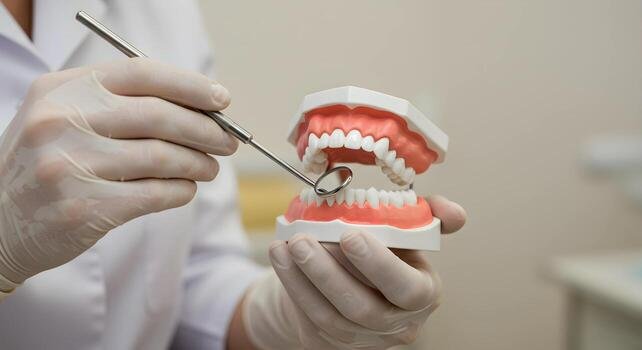
You might be feeling a little uneasy about your teeth right now. Maybe you have not seen a general dentist in a while, or you are starting to notice small signs like bleeding gums, sensitivity, or a stubborn bad taste that will not go away. You know your mouth affects your health, but it can be hard to know what actually matters and what is just another thing to worry about, and whether something like laser periodontal treatment Coral Springs could be the right step for you.end
There is a “before” and “after” with oral health. Before, things felt fine, so it was easy to put off appointments. After, when pain hits or a tooth breaks, everything becomes urgent, expensive, and stressful. The quiet truth is that most serious dental problems build up slowly. That is why preventive dental care for lifelong health matters so much.
General dentists focus on small, steady steps that protect your teeth, gums, and overall health over time. The good news is that these steps are usually simple, not dramatic, and they can save you from a lot of pain, worry, and cost later on. You will see how six key preventive measures work together to support you not just today, but for decades.
Table of Contents
Why does prevention at the dentist matter so much for your whole body?
You may already brush and floss, so it can feel frustrating to hear that you still need regular care from a general dentist. You might wonder if it is really necessary, or if you are just being pushed into “one more appointment.” That doubt is completely understandable.
The challenge is that many dental problems, like early tooth decay and gum disease, are quiet at first. They do not always hurt. By the time you feel intense pain, the problem has often been there for months or even years. According to the Centers for Disease Control and Prevention, untreated cavities and gum disease are extremely common, even in adults who think they are doing “fine” with their brushing.
Because of this, the real risk is not just a cavity. It is what that cavity can turn into if it reaches the nerve of the tooth. It is how mild bleeding gums can progress to bone loss. It is how chronic inflammation in your mouth may connect with other health concerns, such as diabetes or heart disease. So where does that leave you?
It leaves you with a choice. You can wait for problems to show up in a painful way, or you can use the quiet, steady tools that general dentists rely on to keep trouble from building in the first place.
What preventive measures do general dentists actually use to protect your health?
To make this feel less abstract, imagine two people. One waits until something hurts. The other treats preventive visits as part of basic self-care, like getting enough sleep or drinking water. Over ten or twenty years, their paths look very different.
The second person is working with a general dentist who uses six core preventive measures to support long-term health. These measures are not fancy, and that is exactly why they work.
1. Regular checkups and professional cleanings
This is the foundation. During a checkup, your dentist and hygienist look for early signs of decay, gum disease, oral cancer, and bite problems. The cleaning removes plaque and hardened tartar that brushing and flossing at home cannot fully reach.
Many adults feel embarrassed if it has been years since a cleaning. That shame can keep you away even longer. Remember, your dental team has seen it all. Their focus is not on judging you. It is about catching small problems while they are still easy and affordable to treat.
2. Fluoride treatments to strengthen teeth
Fluoride is not just for children. It helps harden the outer layer of the tooth so it can better resist acid attacks from food and bacteria. Your dentist may recommend fluoride varnish or gel, especially if you have a history of cavities, dry mouth, or are taking medications that affect saliva.
If you are curious about how tooth decay actually develops, it can help to see the process clearly. The National Institute of Dental and Craniofacial Research explains the step by step tooth decay process and why strengthening enamel matters so much.
3. Dental sealants for cavity-prone areas
Back teeth have grooves that are hard to clean, especially for children and teens, but also for adults with deep pits in their molars. Sealants are thin protective coatings placed on these chewing surfaces to block bacteria and food from settling in.
They are quick, painless, and can reduce the risk of cavities in those areas for years. This is a simple example of how a small preventive step can prevent a much larger restorative procedure later.
4. Early gum disease screening and care
Gum disease often starts with tenderness, swelling, or bleeding when you brush. It is easy to ignore. Over time, though, it can damage the bone that holds your teeth, which can lead to loose teeth or tooth loss.
General dentists measure the health of your gums, remove plaque and tartar along the gumline, and help you adjust your home care. They may recommend deeper cleanings if needed. Catching gum problems early is one of the most powerful ways to protect both your mouth and your overall health.
5. Oral cancer screenings
These screenings are usually quick and gentle. Your dentist looks at your tongue, cheeks, gums, and throat and feels your neck for any unusual changes. Most of the time, nothing serious is found, which brings peace of mind. When something does look suspicious, catching it early can be life-saving.
Many people do not realize this is part of a normal visit with a general dentist for preventive care. You are not just getting your teeth checked. You are getting a snapshot of your broader oral health.
6. Personalized coaching on daily oral hygiene
It is easy to think, “I already know how to brush and floss.” Yet small technique changes can make a big difference. Your dentist or hygienist can show you where plaque tends to hide in your mouth, which tools might help, and how to make your routine more effective without making it more complicated.
If you want a clear, science-based guide you can read at your own pace, the NIDCR’s page on good daily oral hygiene habits is a helpful place to start.
How do preventive visits compare to “waiting until something hurts”?
It can help to see the difference between a preventive approach and a crisis-based approach side by side. This is not meant to scare you. It is meant to give you clarity so you can choose from a place of awareness instead of fear.
| Approach | Short Term Experience | Long Term Impact |
|---|---|---|
| Regular preventive care with a general dentist | Small, planned visits a few times a year. Mild inconvenience, usually low or predictable cost. | Fewer emergencies, fewer extractions, more natural teeth preserved, lower lifetime dental costs. |
| Waiting for pain or visible problems | No appointments until something breaks or hurts. Then sudden urgent visits, higher stress, and cost. | More root canals, crowns, or extractions. Greater risk of tooth loss and ongoing oral health issues. |
| DIY only, no professional checkups | Time and money saved upfront. Reliance on home care and internet advice. | High risk of hidden decay and gum disease. Problems often found late, when they are harder to treat. |
Public health research also shows that preventive strategies reduce disease. If you want to see how professional care and home care work together at a population level, the CDC’s section on oral disease prevention strategies explains it in clear, practical terms.
What can you do right now to protect your oral and overall health?
You do not need to overhaul your life overnight. A few focused steps can put you back in control of your oral health and support you for years.
1. Schedule a preventive visit, even if it has been years
Pick one general dentist and book a checkup and cleaning. Tell the office honestly how long it has been and what you are worried about. A good team will meet you where you are, not where you “should” be. This single step often brings relief because you stop guessing and start knowing.
2. Tighten your daily routine in small, realistic ways
Commit to brushing twice a day with fluoride toothpaste and flossing once a day. If flossing feels overwhelming, start with just a few teeth and build up. Consider an electric toothbrush or interdental brushes if your dentist suggests them. Aim for consistency over perfection. Even modest improvements, done daily, support general dental care in a powerful way.
3. Watch for early warning signs and act on them
Do not ignore bleeding gums, persistent bad breath, sensitivity to hot or cold, or a rough spot that seems new. These are your body’s early signals. If you notice something, make a note of when it started and mention it at your next visit, or call for an earlier appointment if it worsens. Early action is almost always simpler and less expensive than waiting.
Moving forward with more confidence and less fear
It is normal to feel a mix of worry and relief when you start thinking seriously about preventive dental care. You might be afraid of what a dentist will find, or frustrated with yourself for waiting. Try to remember that the most important moment is not when the problem began. It is when you choose to address it.
General dentists use these six preventive measures to walk beside you, not to lecture you. With steady checkups, simple treatments like fluoride and sealants, careful screenings, and realistic home care, you give yourself a strong chance at keeping your teeth and gums healthy for life.
You deserve a mouth that feels comfortable, a smile you can trust, and the peace of mind that comes from knowing you are taking care of your future self. Your next step is simple. Reach out to a trusted general dentist, schedule that preventive visit, and start building the kind of quiet, steady oral health that supports your whole body for years to come.