

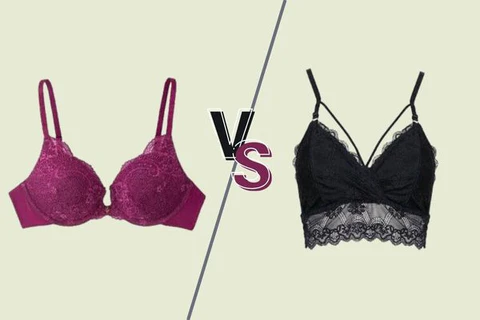
The choice between a bralette and a traditional bra is one that comes up more frequently now than it did even five years ago. Bralettes have moved from a niche, fashion-forward option into a mainstream wardrobe staple — and as their presence has grown, so has the question of when they’re genuinely appropriate and when a traditional bra is still the better answer. Neither style is universally superior. The right choice depends on the body wearing it, the outfit it’s going under, and the level of support the day actually requires.
Table of Contents
What Makes a Bralette Different
A bralette is an unstructured, usually wireless bra that prioritises comfort and fit flexibility over engineered support. Most bralettes are made from soft fabrics — lace, cotton, jersey, or modal — without underwire, moulded cups, or boning. The fit is softer and more flexible than a traditional bra, and the overall aesthetic tends to be more relaxed and often deliberately visible.
Bralettes for women have grown in popularity partly because they meet a comfort standard that traditional bras often don’t. For women who find underwire uncomfortable, who experience shoulder strain from tight straps, or who simply want a lighter option for lower-demand days, bralettes offer a genuine alternative rather than a compromise. The softness of the construction means there’s no rigid structure pressing against the ribcage or underwire sitting in the wrong place — common complaints with traditional bra designs that don’t fit perfectly.
The aesthetic dimension of bralettes has also contributed to their mainstream adoption. Designed to be seen — under a sheer top, over the edge of a low neckline, or as part of a layered outfit — bralettes occupy a space between innerwear and outerwear that traditional bras don’t. This versatility has made them useful in ways that go beyond their basic function.
What a Traditional Bra Provides That a Bralette Doesn’t
The case for a traditional ladies bra begins with support — specifically, the kind of structured, engineered support that a bralette’s soft construction cannot replicate.
A traditional bra is built around an underwire that frames and lifts the breast, moulded or seamed cups that create and maintain a specific shape, a band that bears the primary support load, and straps that add secondary lift and keep the cups in position. This engineering is what makes a traditional ladies bra the appropriate choice for fuller busts, high-impact activities, fitted clothing that requires a specific silhouette, and any day that demands sustained, reliable support rather than comfort-focused flexibility.
For women with a C cup or above, the structural difference between a bralette and a well-fitted traditional bra is significant and felt. Bralettes for women in these sizes may provide adequate coverage but rarely deliver the lift, shape, or all-day support that the right structured bra does. Shoulder strain, posture issues, and breast discomfort that build up over the course of a long day in an unsupportive bralette are common experiences — and they reflect the genuine functional limit of a construction that wasn’t designed for significant support load.
Traditional bras also produce a more specific silhouette under clothing. A moulded-cup T-shirt bra creates a smooth, rounded shape under fitted tops that a soft-cup bralette doesn’t replicate. For workwear, structured outfits, and any occasion where the shape beneath fitted clothing matters, the consistency and definition of a traditional bra cup is the better choice.
The Body Type Question
Cup size and breast shape are the most important factors in deciding between bralettes and traditional bras for everyday use — and being honest about what the body actually needs is more useful than defaulting to whichever option is more comfortable to consider.
Smaller busts (A and B cup): Bralettes for women in this range are genuinely well-suited for everyday wear, not as a compromise but as an appropriate choice. The support requirement is lower, the absence of underwire has fewer structural consequences, and the fit flexibility of soft-cup construction works well across a range of natural breast shapes. Many women in this range find that bralettes replace traditional bras almost entirely for all but their most structured or fitted outfits.
Medium busts (C cup): This is the range where the choice is most genuinely open. A well-fitting bralette in a supportive fabric — thicker bands, wider straps, minimal stretch — can work adequately for lower-impact days and relaxed clothing. A traditional ladies bra is the better choice for fitted clothing, long days, and any activity that requires sustained support. Most women in this range benefit from having both available and choosing based on the day’s demands.
Fuller busts (D cup and above): For this range, a traditional structured bra is the functional choice for daily wear, supported activity, and fitted clothing. Bralettes for women with fuller busts have improved in construction in recent years — wider bands, more substantial fabric, and more structural support than earlier designs — but they still don’t replicate the support of a properly fitted underwired bra. Reserved for low-demand days, home wear, or low-impact casual outfits, a well-made bralette can be comfortable and appropriate. As a primary daily bra for this cup size range, it typically falls short.
Occasion and Outfit Drive the Choice
Body type establishes the structural parameters, but the outfit and occasion determine which option is appropriate on any given day.
Fitted tops and workwear: A traditional ladies bra with smooth, seamless cups is the cleaner choice. The defined shape under fitted fabric reads more polished than the softer, less consistent silhouette a bralette produces.
Relaxed and casual clothing: Bralettes for women work well here — loose tops, oversized shirts, and relaxed knits don’t make the same silhouette demands, and comfort becomes the priority.
Sheer or layered outfits: Bralettes come into their own here. A lace or patterned bralette worn visibly under a sheer top or as a layer under an open-front shirt is both functional and deliberate — a look that a traditional bra worn visibly couldn’t achieve.
Exercise and high-impact activity: Neither a bralette nor a standard ladies bra is the correct choice here. A sports bra with appropriate impact rating is the only option that provides the support needed for sustained physical activity.
Formal and occasion wear: A traditional bra or specialist foundation garment matched to the neckline of the outfit is the appropriate choice. Bralettes are generally too casual in construction and aesthetic for formal dressing, though there are exceptions in specific style contexts.
Comfort vs Support: Finding the Balance
The bralette versus traditional bra conversation often gets framed as comfort on one side and support on the other — as though the two are in opposition. They don’t have to be. A well-fitted traditional ladies bra in the correct size, made from quality materials, is genuinely comfortable for extended daily wear. The discomfort most women associate with traditional bras comes from wearing the wrong size or a poorly constructed garment, not from the format itself.
Equally, bralettes for women that are made from substantial, well-structured fabrics with wide bands and minimal stretch provide more support than the softest, stretchiest options in the category. There is a range within each format, and finding the best version of each — rather than accepting the most readily available — produces a better result on both counts.
A Wardrobe With Both
The most practical approach isn’t to choose definitively between bralettes and traditional bras but to hold both in the wardrobe and use each where it genuinely performs better. A traditional ladies bra for fitted clothing, structured workwear, and higher-demand days. Bralettes for women for relaxed outfits, low-demand days, and the layered, visible styling contexts where their aesthetic works naturally.
The right choice isn’t fixed — it changes with the outfit, the occasion, and what the body needs on any particular day. Approaching it that way, rather than committing to one format entirely, is what produces the best result across the full wardrobe.