

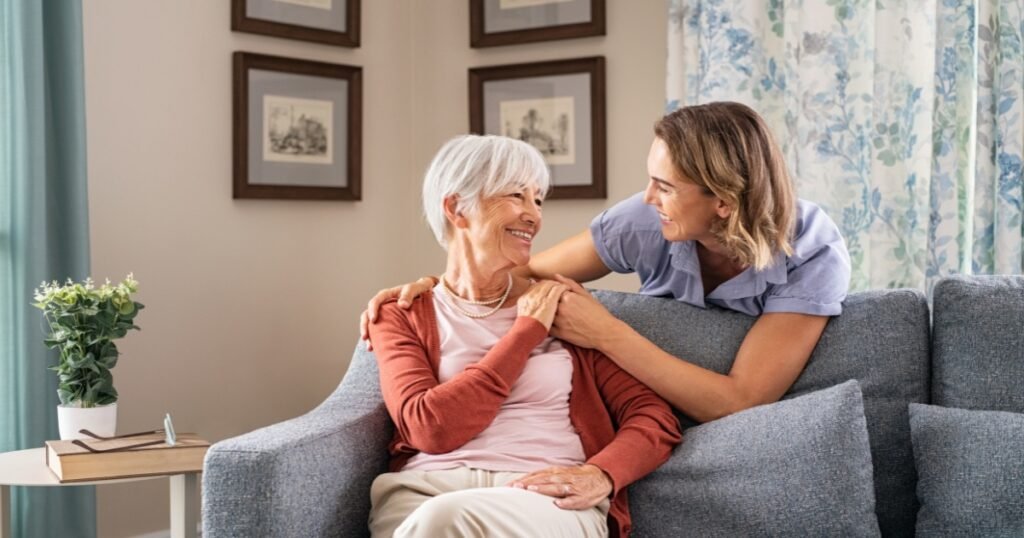
The way families approach senior care has changed significantly in recent years. Instead of automatically choosing assisted living facilities, many people now prefer personalized home assistance that allows seniors to remain in their own homes while receiving professional support. This shift is influenced by changing lifestyles, stronger emotional priorities, and the desire for more individualized care experiences.
Personalized home assistance is no longer viewed as temporary help. For many households, it has become a long-term solution that supports independence, emotional comfort, and healthier daily routines.
Table of Contents
Seniors Want to Keep Their Personal Routines
One major reason home assistance is becoming more popular is that seniors value their personal habits and routines. Many older adults enjoy starting their mornings at a certain time, preparing familiar meals, tending gardens, watching favorite television programs, or spending time with pets. Moving into a facility may interrupt these patterns.
Personalized home assistance allows seniors to continue living according to their own preferences. Instead of adapting to institutional schedules, care services adapt to the senior’s lifestyle. This creates a greater sense of control and personal satisfaction.
Home Care Supports Multi-Generational Families
Modern households often include multiple generations living together. Adult children may care for aging parents while also raising children of their own. Personalized care services help reduce pressure within these busy homes by sharing caregiving responsibilities.
Professional caregivers for seniors in Fort Lauderdale can provide structured support that allows families to maintain healthier routines without completely changing their work or family commitments. This balance is becoming increasingly valuable in households managing several responsibilities at once.
Technology has improved home-based care
Advancements in technology have made home assistance more practical and efficient than before. Seniors can now benefit from medication reminders, virtual health checkups, emergency alert systems, and communication tools while staying at home.
Caregivers often work alongside these technologies to provide better monitoring and support. Families appreciate being able to stay connected and informed about their loved one’s well-being without requiring constant physical supervision.
Personalized Care Encourages Better Nutrition
Nutrition often becomes a challenge for seniors who live alone. Some may skip meals, rely on unhealthy convenience foods, or lose motivation to cook. Personalized home assistance helps solve this issue by supporting meal planning and preparation based on individual dietary needs.
Caregivers can prepare meals that match personal tastes, cultural preferences, or health requirements. This customized approach encourages healthier eating habits and improves daily wellness.
Maintaining Community Connections
Many seniors have strong emotional ties to their neighborhoods, local places of worship, social groups, and nearby friends. Relocating to a care facility may weaken these important community relationships.
Personalized home assistance allows older adults to remain connected to familiar surroundings and social circles. Seniors can continue attending local activities, visiting nearby places, or interacting with neighbors they have known for years. These ongoing connections contribute to emotional stability and happiness.
Personalized Assistance Helps Preserve Privacy
Privacy is another important factor influencing care decisions. Many seniors prefer receiving support in private surroundings rather than sharing living spaces with large groups of people. Home assistance provides one-on-one support while allowing individuals to maintain personal space and independence.
This sense of privacy often improves emotional comfort and helps seniors feel more respected during the aging process.
Flexible Care Can Adapt Over Time
Personalized care services are also attractive because they can evolve with changing needs. Some seniors may initially require only light assistance with housekeeping or transportation. Over time, additional services can be added without requiring a major lifestyle change.
This gradual adjustment makes home assistance a practical long-term solution for many families. It avoids sudden disruptions and allows seniors to remain in familiar surroundings even as their care requirements increase.
Families Value More Meaningful Interaction
When family members are overwhelmed by caregiving responsibilities, much of their time may become focused on tasks instead of quality interaction. Personalized home assistance helps reduce this burden, allowing relatives to spend more meaningful time together.
Instead of constantly managing chores or daily care duties, families can focus on conversations, shared activities, and emotional connection with their loved ones.
Conclusion
Personalized home assistance is becoming a preferred care option because it supports independence, privacy, flexibility, and emotional well-being in ways many traditional care arrangements cannot. Seniors can continue living according to their own routines while receiving individualized support that adapts to their changing needs.
As families continue seeking care solutions that combine compassion with practicality, personalized home assistance is likely to remain one of the most valued approaches to senior support.