

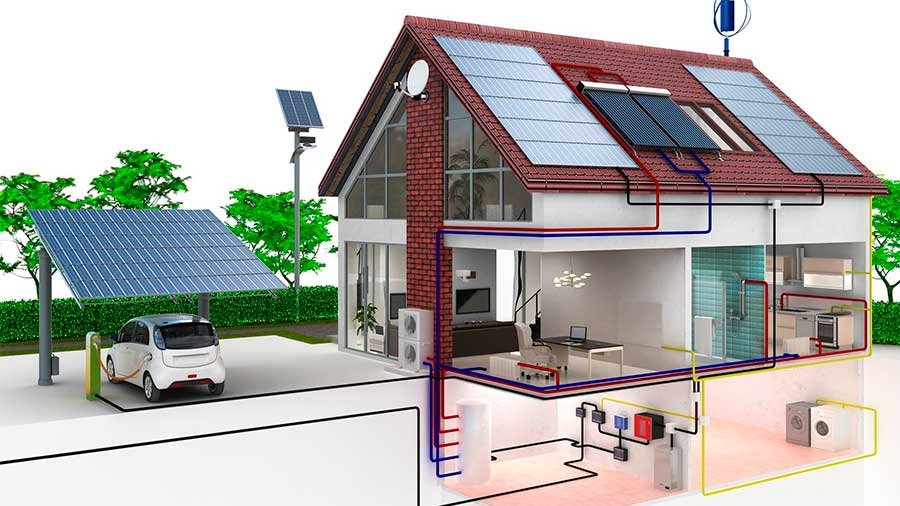
Passivhaus, or Passive House, is a rigorous energy efficiency standard for buildings that aims to significantly reduce energy demand while maintaining comfort. Developed in Germany in the late 20th century, the Passivhaus standard has gained global recognition for its potential to create sustainable living environments. The core philosophy revolves around designing homes that require minimal heating and cooling, thus lowering energy costs and environmental impact.
In this blog post, we will explore whether it is feasible to retrofit a standard home to meet these stringent standards. We will examine the principles of Passivhaus design, the benefits of retrofitting, and the practical steps involved in transforming an existing structure into an energy-efficient haven.
Table of Contents
The Benefits of Retrofitting to Passivhaus
Retrofitting a standard home to meet Passivhaus standards can yield numerous benefits:
1. Energy Efficiency: Homes retrofitted to this standard can achieve up to 90% energy savings compared to conventional buildings.
2. Comfort: A well-designed Passivhaus maintains consistent indoor temperatures year-round, enhancing occupant comfort.
3. Reduced Carbon Footprint: By minimizing energy consumption, retrofitting contributes significantly to lowering greenhouse gas emissions.
4. Increased Property Value: Homes with high energy performance ratings can command higher market prices due to lower running costs and increased desirability.
5. Government Incentives: Many regions offer tax credits and incentives for homeowners who undertake energy-efficient renovations.
The advantages highlight why many homeowners are considering such a transition, especially with rising energy costs and increasing awareness of climate change.
Key Principles of Passivhaus Design
To effectively retrofit a home, it is essential to understand the five key principles of Passivhaus design:
1. Thermal Insulation: High levels of insulation in walls, roofs, and floors minimize heat loss during winter and heat gain during summer.
2. Airtightness: A tightly sealed building envelope prevents air leakage, which is critical for maintaining temperature and reducing heating demands.
3. High-Performance Windows: Triple-glazed windows are standard in Passivhaus designs, providing exceptional insulation while allowing natural light.
4. Heat Recovery Ventilation (HRV): An HRV system ensures a constant supply of fresh air while recovering heat from stale air being expelled.
5. Passive Solar Gain: Strategic placement of windows maximizes solar exposure in winter while minimizing it in summer through shading devices.
Familiarity with these principles will inform the approach taken when retrofitting an existing structure.
Assessing Your Home’s Current Performance
Before embarking on a retrofitting project, it is crucial to assess your home’s current performance level regarding energy efficiency:
1. Energy Audit: Engage a professional auditor or use DIY tools to evaluate insulation quality, window performance, HVAC systems, and overall energy usage.
2. Blower Door Test: This test measures the airtightness of your home and identifies areas where air leaks may occur.
3. Thermal Imaging: Using thermal cameras can help pinpoint cold spots and areas needing additional insulation or sealing.
This assessment will provide a clear understanding of what improvements are necessary to meet Passivhaus standards.
Steps to Retrofit a Standard Home
The process of retrofitting a standard home involves several critical steps:
1. Develop a Retrofit Plan: Based on the assessment findings, create a detailed plan outlining necessary upgrades, budgets, and timelines.
2. Enhance Insulation: Upgrade insulation levels in walls, roofs, and floors as per Passivhaus guidelines.
3. Seal Air Leaks: Use caulk and weatherstripping to seal gaps around doors, windows, and other penetrations in your building envelope.
4. Install High-Performance Windows: Replace existing windows with triple-glazed units designed for optimal thermal performance.
5. Implement Mechanical Ventilation: Install an HRV system for efficient heat recovery and continuous fresh air circulation.
6. Consider Renewable Energy Sources: Incorporate solar panels or other renewable technologies to further reduce reliance on fossil fuels.
Each step should be approached with careful consideration of both budget constraints and desired outcomes.
Common Challenges in Retrofitting
While retrofitting offers numerous benefits, several challenges may arise during the process:
1. Budget Constraints: The initial investment can be significant; however, long-term savings often justify the upfront costs.
2. Building Constraints: Some older homes may have structural limitations that complicate retrofitting efforts.
3. Finding Qualified Contractors: It is essential to work with professionals experienced in Passivhaus design to ensure compliance with standards.
4. Disruption During Renovation: Retrofitting can be intrusive; careful planning can mitigate inconveniences during construction phases.
Addressing these challenges head-on ensures smoother transitions during the retrofit process.
Case Studies: Successful Retrofitting Projects
Several case studies illustrate successful retrofitting projects that achieved Passivhaus certification:
1. The Green House Project in Toronto achieved significant energy savings by implementing extensive insulation upgrades and high-performance windows without altering its architectural character.
2. The Old Barn Conversion in England, transformed from an unused barn into a modern residence while achieving full Passivhaus certification through meticulous attention to detail in insulation and air sealing techniques.
3. A Family Home Retrofit in California, showcased innovative use of passive solar design principles that enhanced natural lighting while maintaining thermal comfort throughout varying seasons.
These examples showcase not only the feasibility of retrofitting but also the aesthetic possibilities when adhering to the principles of sustainable design.
The Role of EKCO in Passivhaus Retrofitting
EKCO specializes in providing tailored solutions for homeowners looking to retrofit their properties according to Passivhaus standards. Their expertise lies in creating customized plans that address specific client needs while ensuring compliance with stringent energy efficiency requirements.
With EKCO’s support, homeowners can navigate the complexities of retrofitting projects seamlessly—from initial assessments through implementation—ensuring that every aspect aligns with both budgetary constraints and design preferences.
Future Trends in Energy-Efficient Retrofits
As awareness surrounding climate change continues to grow, several future trends are likely to shape the landscape of energy-efficient retrofits:
1. Integration of Smart Technology: Homes equipped with smart meters and automation systems will enable more efficient energy management.
2. Increased Focus on Sustainable Materials: Eco-friendly building materials will become more prevalent as sustainability becomes central to renovations.
3. Government Policies Supporting Retrofits: Expect more incentives from local governments aimed at encouraging homeowners to adopt energy-efficient practices.
These trends indicate a shift towards greater environmental consciousness within the construction industry, providing exciting opportunities for homeowners interested in sustainable living.
Retrofitting a standard home to meet Passivhaus standards is not only achievable but also beneficial from multiple perspectives—financially, environmentally, and personally—with organizations like EKCO leading the charge towards sustainable residential solutions that embrace this future-oriented approach effectively.