

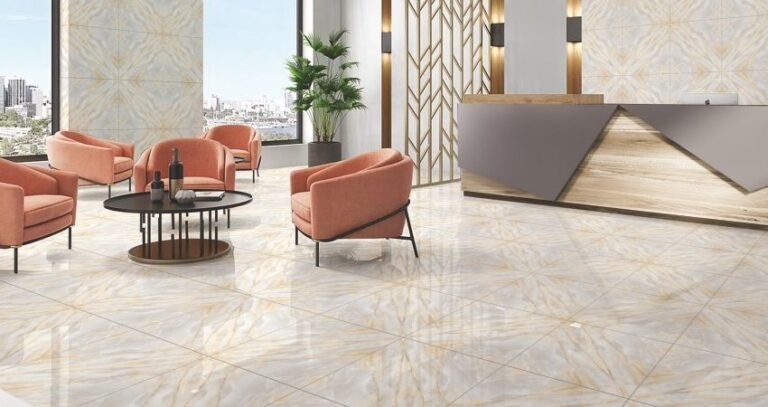
When embarking on a home improvement or interior design project, choosing the right tile can significantly impact the aesthetic and functionality of your space. Ceramic and Marble Tiles are two popular options, each offering distinct advantages and considerations. Whether you’re revamping a kitchen, upgrading a bathroom, or adding flair to a living area, understanding the qualities of these materials will guide you in making an informed decision. This article explores the characteristics of ceramic and Marble Tiles, their durability, maintenance needs, and design considerations to help you align your choice with your design vision.
Table of Contents
Ceramic Tiles: A Versatile and Cost-Effective Choice
Ceramic tiles are renowned for their versatility and affordability, making them a staple in many interior design projects. Made from clay and other natural materials, they are heated at high temperatures to achieve durability. This process allows ceramic tiles to be available in various colors, patterns, and finishes, which can effortlessly complement any Color Theory approach in design. If you are considering options like Marble Tiles, you will find they offer a different level of elegance.
The cost-effectiveness of ceramic tiles is one of their most appealing features. They are generally less expensive than marble, allowing for greater flexibility in budget-conscious projects without sacrificing style. Furthermore, ceramic tiles are straightforward to install over different surfaces, including existing Subflooring, making them a practical choice for those seeking a quick renovation solution.
In addition to their affordability, ceramic tiles offer excellent resistance to moisture, making them an ideal choice for areas prone to spills and humidity, such as kitchens and bathrooms. This moisture resistance also contributes to the tiles’ durability, ensuring a long-lasting finish that withstands daily wear and tear.
Marble Tiles: A Luxurious and Timeless Option
Marble Tiles exude luxury and timeless elegance, often associated with high-end interior design projects. This natural stone, with its unique veining and rich color variations, adds a touch of sophistication to any space. Marble Tiles can be a focal point in a room, enhancing the overall aesthetic and elevating the ambiance.
While Marble Tiles can be more costly than their ceramic counterparts, the investment is justified by their unmatched beauty and prestige. The natural patterns in marble ensure that each tile is unique, offering a bespoke element to home design. Moreover, Marble Tiles can complement high-end Millwork and FFE (furniture, fixtures, and equipment) selections, creating a cohesive and luxurious interior.
However, the appeal of marble extends beyond its appearance. Marble Tiles are known for their excellent thermal properties, which contribute to maintaining a comfortable R-value, or insulation level, in a space. This makes them an excellent choice for flooring in areas where maintaining a consistent temperature is desired.
Comparing Durability and Maintenance of Ceramic and Marble Tiles
When selecting tiles, durability and maintenance are crucial factors to consider. Ceramic tiles are generally more resistant to scratches and stains, making them a practical choice for high-traffic areas. Their low porosity means they require minimal maintenance, which can appeal to homeowners seeking convenience and ease.
On the other hand, Marble Tiles, while durable, are more susceptible to scratches and stains due to their porous nature. This means that they require regular sealing and more cautious maintenance to preserve their pristine appearance. However, with proper care, marble’s durability can match its elegance, providing a lifetime of beauty.
According to recent studies, homes with marble flooring see a significant increase in property value, which can be an important consideration for those looking to enhance their investment. Additionally, Marble Tiles are often preferred in luxury settings for their ability to retain a polished finish that reflects light, adding depth and dimension to a space.
Design Considerations: Choosing the Right Tile for Your Space
Design considerations extend beyond aesthetics; they encompass functionality and the overall vision for a space. Ceramic tiles offer a wide array of design possibilities, from vibrant patterns to subtle textures, allowing designers to explore diverse Schematic Design concepts. Their compatibility with modern design software like CAD (computer-aided design) can simplify the planning process.
Marble Tiles, in contrast, serve as a statement piece. When incorporating marble into a design, it’s essential to consider the lighting and surrounding elements, as its reflective quality can enhance the visual impact. This makes marble an ideal choice for spaces where a touch of opulence is desired, such as grand entryways or upscale bathrooms.
Incorporating ergonomic principles into design decisions can also influence tile choice. For instance, the slip resistance of ceramic tiles might be preferable in areas where safety is a priority, such as bathrooms or kitchens. Meanwhile, the aesthetic appeal of marble might align more with spaces designed for relaxation and luxury.
Conclusion
Choosing between ceramic and Marble Tiles hinges on balancing practicality with aesthetic aspirations. Ceramic tiles offer versatility and cost-effectiveness, ideal for functional spaces requiring durability. In contrast, Marble Tiles provide unparalleled luxury and elegance, perfect for creating a timeless design statement. By considering factors such as maintenance, durability, and design compatibility, you can select the tile that best fits your design vision, ensuring that your space is both beautiful and functional. Whether you opt for the affordability of ceramic or the splendor of marble, your choice will reflect your unique style and enhance your home’s interior.


