

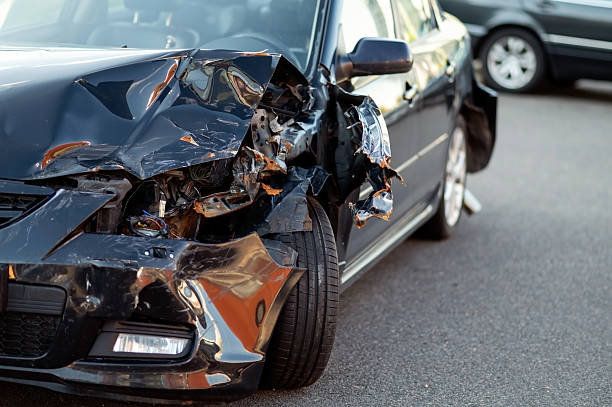
Stamford is one of Connecticut’s busiest cities, with major roadways such as Interstate 95, the Merritt Parkway, and U.S. Route 1 carrying thousands of commuters and travelers each day. With heavy traffic and frequent congestion, car accidents can happen unexpectedly, leaving drivers and passengers dealing with injuries, vehicle damage, and uncertainty about what to do next.
After a car accident, the actions you take in the minutes, hours, and days that follow can have a significant impact on your health, insurance claim, and potential legal case. Common mistakes such as failing to seek medical treatment, admitting fault, accepting an early settlement offer, or neglecting to gather evidence can make it more difficult to recover compensation for accident-related losses.
A car accident lawyer can help accident victims understand their rights, preserve important evidence, and navigate the claims process when disputes arise with insurance companies or other parties involved in the collision.
While every accident is different, avoiding the following mistakes can help protect your interests and strengthen your position as you move forward after a crash.
Table of Contents
1. Failing to Seek Medical Attention Immediately
One of the most common mistakes people make is assuming they are not seriously injured because they feel fine immediately after the accident. Adrenaline can temporarily mask pain and symptoms, causing injuries such as concussions, soft tissue damage, or internal injuries to go unnoticed.
Prompt medical evaluation not only protects your health but also creates documentation linking your injuries to the accident. Delaying treatment may allow insurance companies to argue that your injuries were unrelated or less serious than claimed.
2. Leaving the Scene Without Proper Documentation
After ensuring everyone’s safety, it is important to gather as much information as possible. Many drivers focus only on exchanging insurance details and overlook other valuable evidence.
Photographs of vehicle damage, road conditions, traffic signals, skid marks, debris, and visible injuries can help establish what happened. Witness contact information may also become important if liability is later disputed.
3. Admitting Fault Too Soon
It is natural to apologize after an accident, even when you are simply expressing concern for others involved. However, statements made at the scene can sometimes be interpreted as admissions of responsibility.
The cause of a collision is not always immediately clear. Factors such as distracted driving, road conditions, vehicle defects, or the actions of multiple drivers may contribute to the crash. Allow investigators and insurance companies to determine fault based on the available evidence.
4. Giving Recorded Statements Without Preparation
Shortly after an accident, an insurance adjuster may contact you and request a recorded statement. While cooperation is often necessary, providing detailed statements before fully understanding your injuries or the circumstances of the crash can create complications.
Inconsistent or incomplete statements may later be used to challenge your claim. It is important to understand the purpose of the statement and provide accurate information without guessing or speculating.
5. Accepting the First Settlement Offer
Insurance companies sometimes offer quick settlements soon after an accident. While an immediate payment may seem attractive, early offers may not fully account for future medical expenses, lost income, rehabilitation costs, or ongoing pain and suffering.
Before accepting any settlement, it is important to understand the full extent of your damages. Once a settlement is accepted, you may lose the ability to seek additional compensation later.
6. Posting About the Accident on Social Media
Many people share details of significant life events online without realizing how those posts could affect an insurance claim. Photos, comments, or updates about the accident or your recovery may be reviewed and interpreted in ways that do not accurately reflect your condition.
Even innocent posts can be taken out of context. Limiting social media activity related to the accident while your claim is pending can help avoid unnecessary disputes.
Key Takeaways
- Seek medical attention promptly, even if injuries do not appear serious immediately after the accident.
- Gather photographs, witness information, and other evidence before leaving the scene whenever possible.
- Avoid admitting fault until all facts surrounding the collision have been properly investigated.
- Do not rush to accept an insurance settlement before understanding the full extent of your losses.
- A car accident lawyer can help protect your rights and assist with accident-related claims and negotiations.