

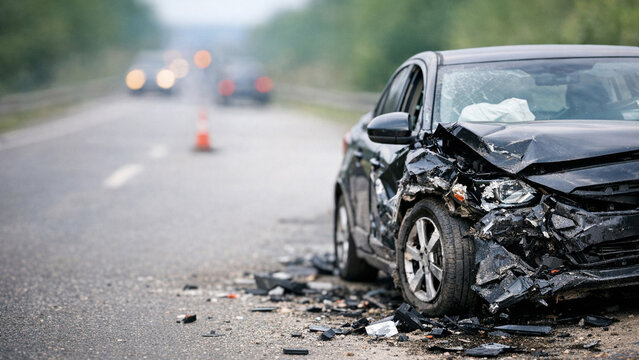
Car accidents and rideshare accidents can both cause serious injuries and property damage, but the claims process may be different. When a privately owned vehicle is involved, the driver’s personal insurance is often central to the claim, while a rideshare crash may involve additional insurance coverage and questions about the driver’s status at the time of the accident.
Austin, Texas, has more than 1 million residents and an average of about two cars per household. At the same time, rideshare services have become a reliable transportation option in the city, particularly for people traveling to and from Austin-Bergstrom International Airport, creating more situations where passengers, rideshare drivers, and other motorists share the road.
Because rideshare accidents can involve multiple insurance policies and potentially several parties, determining who may be responsible can be more complicated. A car accident attorney in Austin can review the circumstances of the crash, available insurance coverage, and evidence to help determine what options may be available.
Table of Contents
Insurance Coverage Can Differ
In a typical car accident, the at-fault driver’s liability insurance may cover the injured person’s damages. If the other driver does not have enough insurance, the injured person may also need to examine their own uninsured or underinsured motorist coverage.
Rideshare accidents can involve additional coverage depending on whether the rideshare driver was waiting for a request, traveling to pick up a passenger, or transporting a passenger. The driver’s personal policy and the rideshare company’s coverage may therefore both become relevant.
The Driver’s Status Matters
One major difference in a rideshare accident is the driver’s status when the collision occurred. Whether the driver was offline, available for a ride request, traveling to pick up a passenger, or carrying a passenger can affect which insurance coverage applies.
This makes evidence about the driver’s activity at the time of the crash particularly important. App records, trip information, electronic records, and statements may help establish what the driver was doing immediately before the collision.
More Parties May Be Involved
A traditional car accident may primarily involve the drivers and their insurance companies. A rideshare crash can involve a rideshare driver, passenger, rideshare company, other motorists, insurers, and potentially other parties.
For example, a vehicle defect or unsafe road condition could contribute to a crash. Identifying every factor that contributed to the accident can be important when determining potential liability.
Passenger Claims May Be Different
A rideshare passenger who is injured generally was not operating either vehicle, which can make their position different from that of a driver involved in a collision. However, determining which insurance policy applies may still depend on the driver’s status and the circumstances of the accident.
Passengers should preserve information about the trip, including the driver’s name, vehicle details, pickup and drop-off locations, and trip receipt. Medical records and photographs of injuries can also help document the resulting damages.
Evidence Is Important in Both Cases
Evidence can play a major role in both traditional and rideshare accident claims. Police reports, photographs, traffic-camera footage, witness statements, vehicle damage, medical records, and other documentation may help establish how the collision happened.
Texas Transportation Code § 550.026 requires an immediate report of certain collisions involving injury, death, or a vehicle that cannot be safely driven. Keeping a copy of the police or collision report can therefore be useful when documenting the circumstances of a crash.
Texas Law Can Affect Your Claim
Texas follows a modified comparative responsibility system for many personal injury claims. This means the amount a person may recover can be affected by their percentage of responsibility for the accident.
Texas law also establishes duties following certain collisions. For example, Transportation Code § 550.023 requires drivers involved in qualifying crashes to provide identifying information and reasonable assistance to injured people.
Key Takeaways
- Traditional car accidents generally involve the driver’s personal auto insurance.
- Rideshare accidents may involve multiple insurance policies.
- A rideshare driver’s status at the time of the crash can affect available coverage.
- Passengers should preserve trip information and medical records.
- Police reports, photographs, witnesses, and electronic records can help establish what happened.
- Identifying all potentially responsible parties can be important in a rideshare claim.
- Texas law imposes specific duties on drivers after qualifying collisions.