
Canada’s herbal legacy reflects the variety of cultural influences that have molded the nation’s health practices, ranging from the traditional knowledge of First Nations healers to the incorporation of European herbalism.
Notable for its purported health advantages and the controversy surrounding its usage, Kratom has become a prominent addition to Canada’s herbal scene in recent years.
Native to Southeast Asia, the Kratom tree is also known by its scientific name, Mitragyna speciosa. It has been used traditionally for its stimulant and analgesic qualities in nations like Thailand and Indonesia.
However, because of its supposed medicinal benefits, it has become more and more popular in Canada and other Western countries.
The rich history of Canadian herbal traditions and their modern applications that still have value in the present day are explored in this article.

1. Historical Background
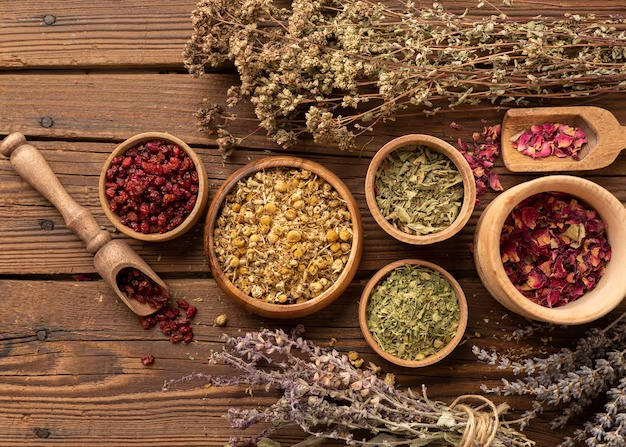
The roots of the herbal traditions in Canada go way back several millennia, tracing their origins to the earliest inhabitants who settled there. Throughout a few hundred years, citizens of First Nations have been using herbs as a medicine for some ceremonies and cultural endowment.
Local medicine shamans or traditional healers had a deep knowledge of the local vegetation and its medicinal qualities. Some herbs like Kratom Canada and ginger were known for their healing properties, while herbs like sage, cedar, and sweetgrass, among others, were sacred and held spiritual importance.
These early herbal practices in Canada thus paved the way for developing different and changing traditional methods of using herbs that are observable currently.
2. Colonial Influence
The move of the European settlers into Canada in the 16th century also had significant changes in the country’s herbal landscape. Immigrants brought with them a variety of herbal knowledge from their native countries and combined it with indigenous remedies to create a new, unique blend of herb traditions.
This exchange of knowledge and practices provided the ground for the development of modern herbalism in Canada. Though some indigenous healing practices were suppressed or sidelined in the colonial era, many herbal remedies survived and eventually found their way into orthodox medicine.
3. Revival and Modern Applications
The past decades of the twentieth and twenty-first centuries have seen a renewed interest in herbal medicine for use by Canadians. The use of Canadian herbs, including Kratom, goldenseal, echinacea, and wild ginger, as medicinal plants has become commonplace today in alternative medicine.
4. Cultural Significance
The cultural significance of medicinal plants cannot be overemphasized for people in Canada.
Plants are not only considered sources of physical cure but also regarded as gifts from the earth that promote a more vital link with nature and traditional ways from one’s ancestors.
Indigenous ceremonies and practices usually integrate herbs to honor the earth and to balance the spiritual power. Moreover, herbal medicines are transferred from one generation to another, thus keeping cultural wisdom and serving the needs of community members.
Below are the health benefits of Kratom, one of the herbs that has been widely used for generations in Canada.
Health Benefits of Kratom
Kratom consists of active substances called alkaloids, among which the most abundant are mitragynine and 7-hydroxy mitragynine, which affect the brain’s opioid receptors and display effects similar to opioids.
- Pain Relief: The alkaloids in Kratom bind to the opioid receptors, which produce an analgesic effect. Due to this, chronic conditions such as arthritis and migraines can be relieved by its regular use. The analgesic properties of this plant make it a common natural therapy for many pain-related complications.
- Mood Enhancement: Kratom has mood-enhancing characteristics that may result in the treatment of anxiety, depression, and stress. Its effects on mood regulation are one of its biggest attractions to people seeking alternative ways of managing mental health issues.
- Energy Boost: At lower doses, Kratom may act like a stimulant, increasing alertness, focus, and energy. This gives it an edge in terms of people who want a natural energy booster that does not cause the jitters often associated with other stimulants.
- Opioid Withdrawal Support: Many people rely upon Kratom as a natural way of coping with opioid withdrawal symptoms. Although there is some research being done on its efficacy and safety in this regard, anecdotal reports suggest it is a possible alternative for those seeking relief from withdrawal symptoms.
Conservation and Sustainability
With growing interest in herbal medicine, conservation and sustainability awareness have become more and more important. Many native plant species in Canada are threatened by overharvesting and habitat loss.
Organizations such as the Canadian Botanical Conservation Network put their all into conserving rare plants and fostering ethical harvesting methods.
In addition, tending to domestic flora for longevity enhances and assuredly will carry on the herbal legacy of Canada for the following generations.
Conclusion
The herbal traditions of Canada reflect a unique fusion of indigenous knowledge, colonial impact, and current innovation.
The healing wisdom of these herbs passes from the ancient healing practices to the contemporary applications of herbal medicine. It is crucial to honor traditional knowledge and conservation of these medicinal plants. This assures the herbal traditions of Canada a sustained future for ages to come.