

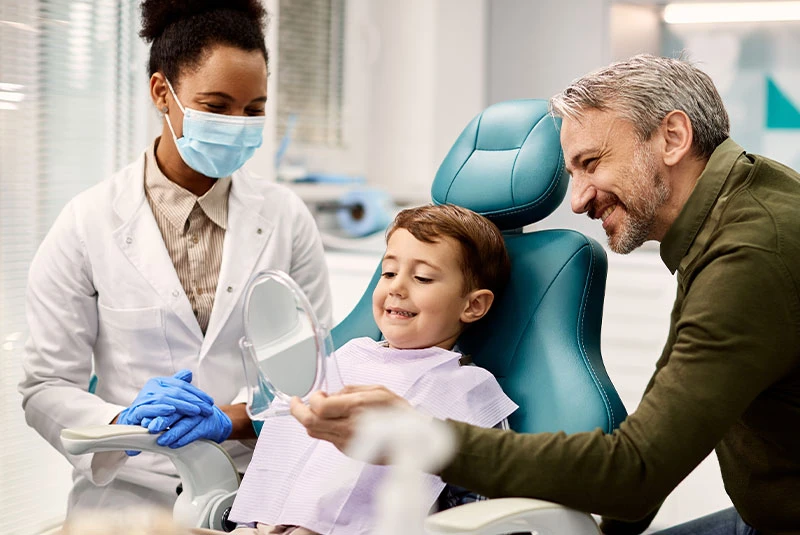
You want a healthy smile that also looks good. That is not a luxury. It affects how you eat, speak, and face each day. Aesthetic care and family dentistry belong together because your teeth do more than chew. They shape how you feel about yourself. They also show early signs of many health problems.
A family dentist sees your history, your habits, and your fears. The same trusted team can fix cavities, guide your child’s first visit, and shape a smile you feel safe to show. That mix of comfort, repair, and appearance cuts stress and cost. It also reduces the risk of future pain.
A Transcona dentist who blends both approaches can protect your mouth while also shaping a calm, natural look. You get one plan, one team, and one clear path toward a strong, confident smile.
Table of Contents
Why does how your teeth look affect your health?
Your smile is not only about looks. It links to your body and mind. The Centers for Disease Control and Prevention explains that poor mouth health is connected to heart disease, diabetes, and pregnancy problems. Bad breath, stained teeth, or missing teeth can also crush your self-respect.
When you hide your teeth, you may avoid photos, work events, or simple talks with others. That can feed shame and loneliness. Clean, straight, and even teeth can help you feel steady when you speak, eat in public, or go to a job interview. You do not need a perfect smile. You need a mouth that feels clean, works well, and matches who you are.
How family dentistry supports every stage of life
Family dentistry looks at the full life cycle. You, your children, and older relatives can use the same clinic. That gives three strong benefits.
- One record that tracks changes over time
- One trusted team for every age
- One clear plan that fits your family budget
Your child learns that checkups are normal and calm. You receive fast care for cavities and gum disease. Older adults get help with dry mouth, tooth loss, and denture fit. The National Institute of Dental and Craniofacial Research notes that tooth decay affects almost all adults at some point. Regular family visits catch small problems before they turn into infections or broken teeth.
Where aesthetic care fits into routine care
Aesthetic care means small changes that improve how teeth look while still protecting health. It connects to routine care in three key ways.
- Cleaning and stain removal prepare teeth for whitening or bonding
- Fillings and crowns can use tooth colored materials that blend with your smile
- Orthodontic work can improve your bite and also straighten crowded teeth
These steps not only change your look. They also help you chew better, clean better, and avoid cracks or wear. Each visit is a chance to keep your mouth strong and also adjust shape, color, or alignment.
Comparing health focused and appearance-focused goals
| Care focus | Main goal | Common treatments | Key benefits |
|---|---|---|---|
| Health focused family care | Stop pain and disease | Cleanings, fillings, root canals, gum care | Less infection, fewer emergencies, lower long-term cost |
| Appearance focused aesthetic care | Improve smile look | Whitening, bonding, veneers, contouring | Higher confidence, more comfort in social and work settings |
| Combined family and aesthetic care | Healthy smile that also looks natural | Tooth colored repairs, planned whitening, aligned teeth | Stronger teeth, easier cleaning, steady confidence over time |
Benefits of keeping care under one roof
When one clinic handles both health and appearance, you get clear gains.
- Fewer visits reshuffle your schedule
- Treatment plans that match your health needs and your look goals
- Lower risk of over-treatment or missed problems
Your dentist knows your medical history, medications, and family risks. That knowledge guides choices about whitening strength, filling materials, and timing of bigger work. You do not need to repeat your story or explain old fears at each visit.
Helping children build healthy and confident smiles
Children watch adults closely. When they see you keep checkups and ask questions, they learn that mouth care matters. When a dentist treats small chips, stains, or crowding early, a child can feel less shame at school and online.
Three simple steps help your child.
- Keep regular visits starting with the first tooth
- Ask about sealants, fluoride, and simple alignment options
- Talk with your child about any teasing or shame about their teeth
A calm, steady clinic helps your child link dental care with safety, not fear. That habit can last a lifetime.
Planning your own path toward a better smile
You do not need to fix everything at once. A good plan uses three stages.
- First, treat pain, decay, and gum infection
- Next, restore broken or missing teeth
- Then, choose safe changes to color, shape, or alignment
You and your dentist can spread work over months or years. That protects your budget and your energy. Each step should keep your mouth safe while also moving you closer to a smile that feels honest and strong.
Taking the next step
Aesthetic care and family dentistry are not two separate paths. Together they protect your health, your daily comfort, and your sense of self. When you choose one team that respects both, you protect your body and your confidence with every visit.