

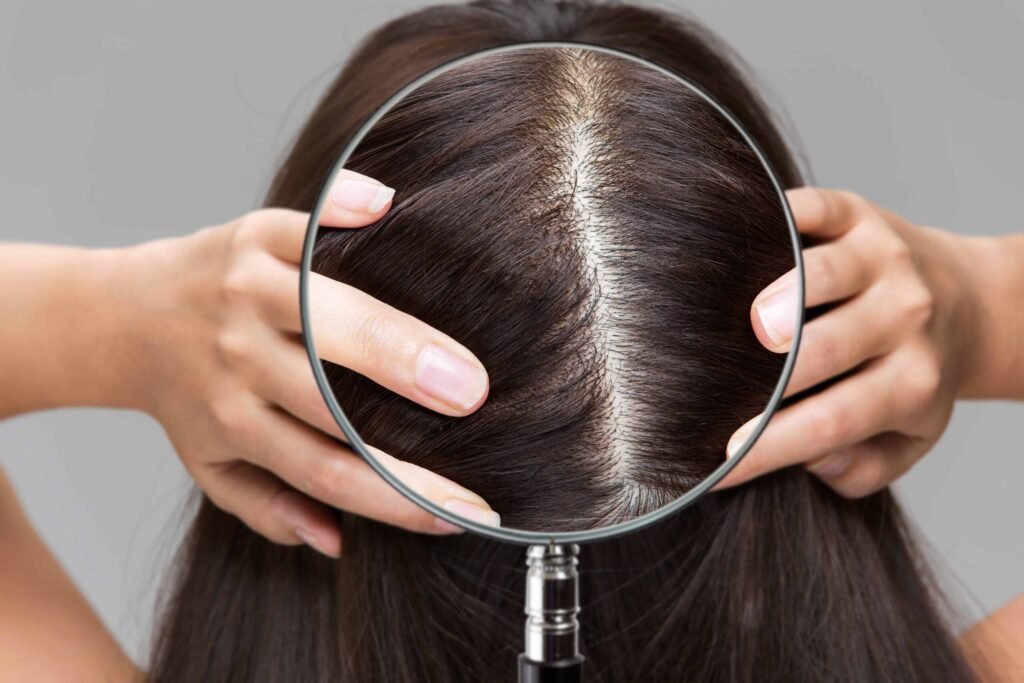
Over the past year, a viral movement has taken over beauty communities across social media, fundamentally changing how we approach protective hairstyles. For decades, styles like box braids, cornrows, and twists have been celebrated for their ability to tuck away natural strands, promote length retention, and reduce daily manipulation. However, a growing number of consumers are now using platforms like TikTok and Instagram to share their traumatic experiences with severe scalp irritation, unearthing an uncomfortable truth about the beauty industry. The phenomenon, widely referred to online as ‘braid burn,’ has sparked a massive cultural shift towards prioritising scalp health over sheer aesthetics.
Table of Contents
The Rise of Natural and Hypoallergenic Alternatives
As awareness grows, beauty enthusiasts are fundamentally changing their salon habits. The trend has moved far beyond traditional do-it-yourself hacks, such as soaking synthetic bundles in apple cider vinegar to strip away harsh chemical layers. While that method offers temporary relief, it does not remove the underlying plastics. Instead, individuals are investing in high-quality, non-toxic alternatives that respect the biological needs of their skin. Sourcing safe braiding hair has become an absolute necessity for anyone looking to install long-term styles without compromising their dermatological health.
Virgin human hair extensions are rapidly replacing synthetic options because they are naturally hypoallergenic and free from the abrasive coatings that cause micro-tears along the scalp. Furthermore, human hair is significantly lighter, which reduces tension on the hair follicle while providing a seamless, natural blend. Unlike plastic fibres that trap heat and sweat against the scalp, natural materials allow the skin to breathe, dramatically lowering the risk of bacterial overgrowth and fungal infections during the lifespan of the style.
The Hidden Dangers in Popular Synthetic Extensions
Understanding why this shift is happening requires a closer look at the materials historically used in the salon chair. Synthetic extensions have long been the accessible go-to for protective styles. But many consumers remain unaware that these plastic fibres are frequently coated in alkaline-based chemicals. Manufacturers use these heavy coatings to prevent tangling, increase heat resistance, and give the hair an artificial shine. When these chemicals come into prolonged contact with the skin, they trigger aggressive allergic contact dermatitis, leading to persistent itching, redness, and inflammation.
The concerns go far beyond temporary redness or a flaky scalp. Recent investigations have shed light on the deeper systemic risks associated with prolonged exposure to these artificial materials. According to a recent Consumer Reports investigation, testing of popular synthetic braiding hair revealed alarming levels of volatile organic compounds, heavy metals, and probable human carcinogens in all samples tested. Furthermore, these synthetic fibres are frequently composed of toxic components like acrylonitrile and vinyl chloride. This alarming clinical data validates the experiences of countless individuals who have suffered from mysterious scalp ailments, fuelling a demand for greater transparency in hair care manufacturing.
Essential Rules for Scalp-Friendly Protective Styling
Upgrading your styling materials is just the first step in the scalp wellness journey. Dermatologists and trichologists are actively using social media to educate the public on holistic hair care practices. If you are planning your next salon visit, keeping your foundation healthy requires a proactive and gentle approach from start to finish.
Here are the modern rules for maintaining an optimal scalp environment during protective styling:
- Prioritise low tension techniques: Ask your stylist for knotless installations. Traditional tight knots at the root can lead to traction alopecia, a painful condition that damages the hair follicle permanently and prevents future growth.
- Maintain a strict cleansing routine: A protective style is not a break from basic hygiene. Use targeted applicator bottles to deliver diluted, sulphate-free cleansers directly to the scalp every week to prevent bacterial buildup and wash away dead skin cells.
- Hydrate without clogging pores: Heavy greases and petroleum-based products can block hair follicles and exacerbate flaking. Opt for lightweight, botanical serums like jojoba, almond, or tea tree oil to soothe the skin naturally.
- Respect the time limit: Leaving extensions in for too long is a primary cause of extreme matting and breakage. Experts highly recommend keeping styles installed for no longer than six to eight weeks.
- Schedule adequate rest periods: Give your natural hair and scalp at least two to three weeks to breathe, deeply condition, and recover before installing a brand new set of extensions.
The viral movement towards scalp health is a refreshing and necessary course correction in the beauty industry. It proves that consumers are no longer willing to accept physical pain or toxic chemical exposure as the inevitable price of a beautiful hairstyle. As more stylists and clients join the conversation online, the stigma surrounding scalp issues is slowly disappearing, replaced by actionable education and product innovation. By demanding safer materials, embracing natural alternatives, and adopting mindful styling practices, we are finally moving into an era where protective styles truly live up to their name. Your hair journey should always prioritise your wellbeing above all else.