

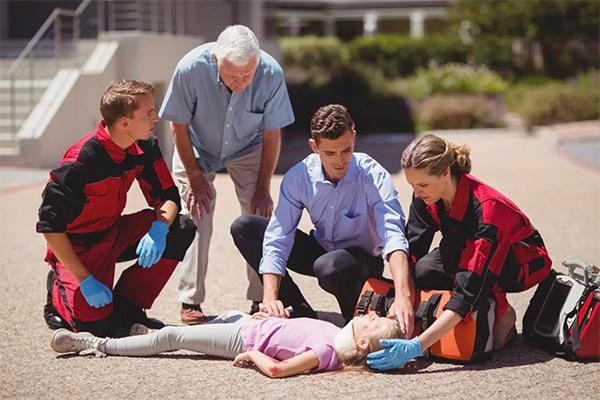
Medical emergencies can happen at any time and often without warning. Whether it is a sudden injury at home, a workplace accident, or a person experiencing breathing difficulties in public, the ability to respond quickly can make a meaningful difference. This is why more people are recognising the value of practical emergency training. First aid courses Logan are helping individuals build confidence, improve awareness, and learn skills that may assist others during critical situations.
Building Confidence Through Practical Learning
One of the main reasons people choose first aid training is to gain confidence in stressful situations. Emergencies can create panic, especially for individuals who have never faced one before. Training provides structured guidance on how to assess situations, prioritise safety, and take practical action while waiting for professional medical assistance.
Hands-on activities are particularly important because they allow participants to practice techniques in realistic scenarios. Instead of relying only on theory, students become familiar with emergency procedures through demonstrations and supervised exercises. This approach helps reduce hesitation and encourages quicker decision-making during actual incidents.
Confidence also grows when individuals understand how to remain calm under pressure. Learning how to communicate clearly, check for hazards, and support injured individuals creates a sense of preparedness that can benefit both personal and professional environments.
Supporting Safer Workplaces And Communities
Many workplaces now encourage or require employees to complete first aid training. Offices, warehouses, schools, childcare centres, and construction sites all recognise the importance of having trained individuals available during emergencies.
First aid courses in Logan are contributing to safer communities by equipping everyday people with valuable response skills. A trained person may be able to assist someone experiencing choking, unconsciousness, or sudden illness before emergency services arrive. Quick action during the first few minutes of an incident can often improve outcomes and reduce complications.
Training also encourages greater awareness of accident prevention. Participants learn to recognise potential hazards, maintain safer environments, and respond responsibly when unexpected situations occur. This proactive mindset supports stronger community safety overall.
Learning CPR And Emergency Response Skills
Cardiopulmonary resuscitation remains one of the most recognised emergency response techniques worldwide. CPR training teaches participants how to provide chest compressions and support circulation when a person stops breathing or experiences cardiac arrest.
Programs such as HLTAID009 Provide Cardiopulmonary Resuscitation help individuals understand how rapid intervention may support survival chances during critical medical emergencies. These courses are intended to offer practical knowledge while maintaining procedures that are both plain and manageable for learners from a variety of backgrounds.
Many participants appreciate the simplicity and accessibility of CPR training. Even individuals with no prior medical experience can develop the confidence to assist someone during an emergency after completing structured instruction.
The Importance Of Real World Emergency Preparation
Modern first aid training focuses on practical situations people may encounter in everyday life. Participants often learn how to respond to burns, cuts, allergic reactions, falls, and medical emergencies involving adults, children, or infants.
This real-world preparation is valuable because emergencies rarely happen in controlled environments. Someone may need assistance at a shopping centre, sporting event, workplace, or family gathering. Training prepares individuals to adapt to different circumstances while maintaining focus and responsibility.
Providers such as Fast First Aid CPR continue supporting the growing demand for accessible emergency training by offering courses designed for busy individuals seeking practical and reliable instruction. Additionally, flexible learning options facilitate the integration of training into individuals’ schedules without compromising their work or family obligations.
Encouraging Lifelong Skills Development
First aid knowledge is not only useful during major emergencies. Many of the skills learned through training can assist with minor injuries and everyday situations. Knowing how to respond properly to cuts, sprains, or fainting episodes may help prevent conditions from worsening while professional help is arranged if necessary.
People who complete training often feel motivated to refresh and improve their skills over time. Refresher courses allow participants to remain familiar with updated procedures and maintain confidence in their ability to respond effectively.
Parents frequently pursue first aid education because they want to feel prepared when caring for children. Similarly, sports coaches and fitness instructors benefit from understanding how to respond to injuries during physical activities. Across many industries and lifestyles, emergency training continues to provide long-term value.
Conclusion
First aid courses in Logan are helping individuals become more prepared, aware, and confident when facing unexpected situations. By learning practical response techniques, participants develop skills that may support family members, coworkers, and community members during emergencies. As awareness of health and safety continues growing, more people are recognising that first aid training is not limited to medical professionals. It is a valuable life skill that encourages calm decision-making, responsible action, and stronger community support. Through practical instruction and hands-on experience, first aid education continues to empower individuals to respond with confidence when it matters most.