

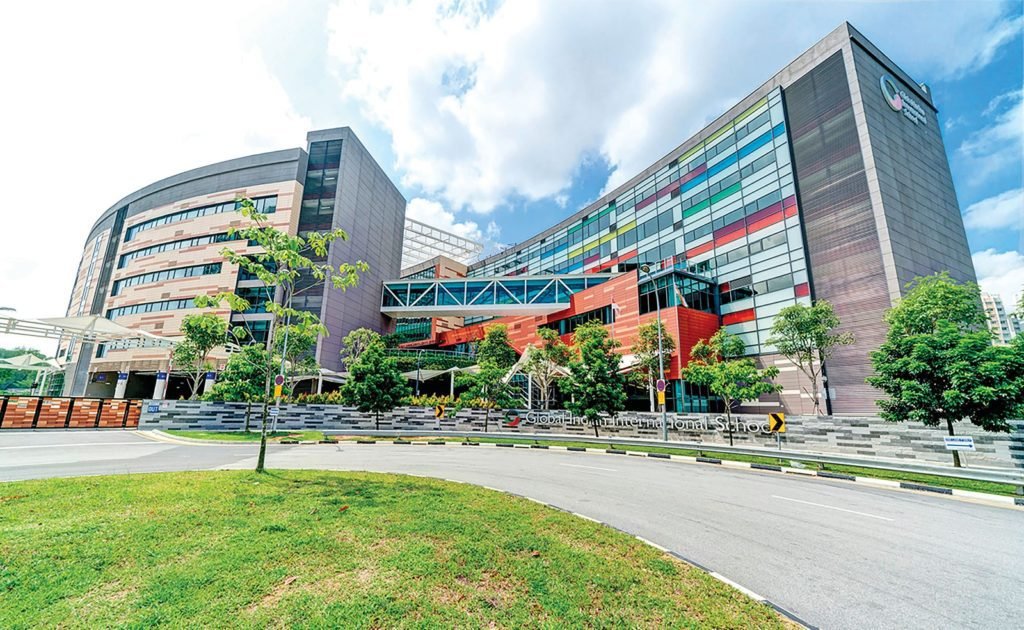
Children grow within environments that shape their worldview and influence how they relate to others. Early education plays a crucial role in nurturing values, perspectives, and skills that extend beyond classrooms. Apart from this, a supportive setting helps young learners explore cultures, ideas, and traditions through meaningful daily experiences.
Parents consider international primary schools in Singapore as gateways that introduce children to diverse perspectives early. These institutions focus on balanced development, combining academics, creativity, and social awareness within a structured environment. This article explores how such education helps shape global citizens through well-rounded early learning experiences.
Table of Contents
A Curriculum That Shapes Global Thinkers From Day One
A well-structured curriculum within a school introduces students to international perspectives while maintaining strong academic foundations. This balanced approach encourages curiosity, thoughtful questioning, and an appreciation for diverse cultures from an early stage. Such exposure helps young learners understand global interconnections without feeling overwhelmed by complex ideas.
Lessons within schools in Singapore follow a recognised international framework that promotes inquiry, reflection, and independent thought through planned experiences. Teachers guide students to consider different viewpoints, which builds respect for varied beliefs. This foundation allows children to grow into confident individuals who recognise their place within a larger global community.
Inquiry-Led Learning That Connects Ideas Beyond Borders
Inquiry-based lessons within international schools in Singapore encourage students to explore meaningful questions rather than memorise facts. Through guided discussions, they examine global themes such as environment, culture, and responsibility with genuine interest. This method helps them connect classroom knowledge to real-life situations across different countries and societies.
Children in the school develop problem-solving skills as they can explore topics from multiple perspectives rather than following rigid instructions. They learn to analyse information carefully, which supports better judgement when faced with unfamiliar global challenges. Such experiences create thinkers who approach situations with openness and adaptability, qualities essential for global citizenship.
Bilingual Exposure That Opens Cultural Doors
A bilingual programme within schools in Singapore introduces children to both English and Chinese. This dual language exposure strengthens students while helping them appreciate linguistic diversity. Language lessons also provide insight into cultural traditions, which deepens understanding of global communities and their values.
Children in schools gain confidence when they communicate ideas clearly across languages. This ability fosters empathy, as they recognise different perspectives shaped by language and cultural background. Over time, such exposure helps them build connections beyond borders with ease.
Holistic Development Beyond Academics
Creative subjects within Singapore-based international schools, such as art and music, encourage self-expression while building emotional awareness. Physical education supports teamwork and resilience, which are valuable traits when interacting within diverse global environments. Technology lessons introduce practical skills that prepare students for a digitally connected world with increasing global interactions.
A balanced timetable in the school ensures that children explore various interests without pressure. Participation in varied activities helps them discover strengths beyond academics. These experiences shape individuals who can engage with others confidently across different cultural and social settings.
A Multicultural Environment That Reflects The Real World
Classrooms within Singapore’s primary schools include students from many nationalities, which creates a natural setting for cultural exchange. Daily interaction with peers from diverse backgrounds helps them understand different traditions without formal instruction. Such exposure builds empathy, as students learn to respect viewpoints shaped by unique cultural identities.
Group activities in schools encourage collaboration among children who bring varied perspectives to shared tasks. This environment reflects what families expect from a primary school for foreigners in Singapore, where diverse cultures meet naturally. Over time, these interactions create individuals who feel comfortable within diverse communities across the world.
Strong Foundations For Lifelong Global Pathways
Early education within the school connects smoothly with advanced international programmes. This continuity supports confidence, as students adapt easily to new environments within global academic systems. Such preparation allows children to pursue opportunities in different countries without facing major academic challenges.
A strong academic base from Singapore’s primary schools, combined with global awareness, prepares students for higher education. They develop adaptability, which helps them succeed in unfamiliar environments with confidence. This pathway supports long-term growth in individuals who can navigate global opportunities with clarity.
Values Driven Learning That Builds Responsible Citizens
Core values within primary schools in Singapore, such as respect, responsibility, and kindness, guide daily interactions across the learning environment. Students learn to contribute positively to their communities through small actions that reflect empathy. These values shape behaviour that aligns with the expectations of a connected and diverse global society.
Opportunities for collaboration in the school encourage children to take initiative while working respectfully with others. They learn accountability, which supports responsible decision-making in both local and global contexts. Such experiences help them see themselves as active contributors within a wider world.
International primary schools in Singapore provide a meaningful pathway where young learners gain confidence, awareness, and cultural sensitivity. Such an environment supports balanced growth, which helps children develop knowledge alongside empathy and strong personal values. Give careful thought to the right learning environment and secure a bright future through the best possible school choice.