

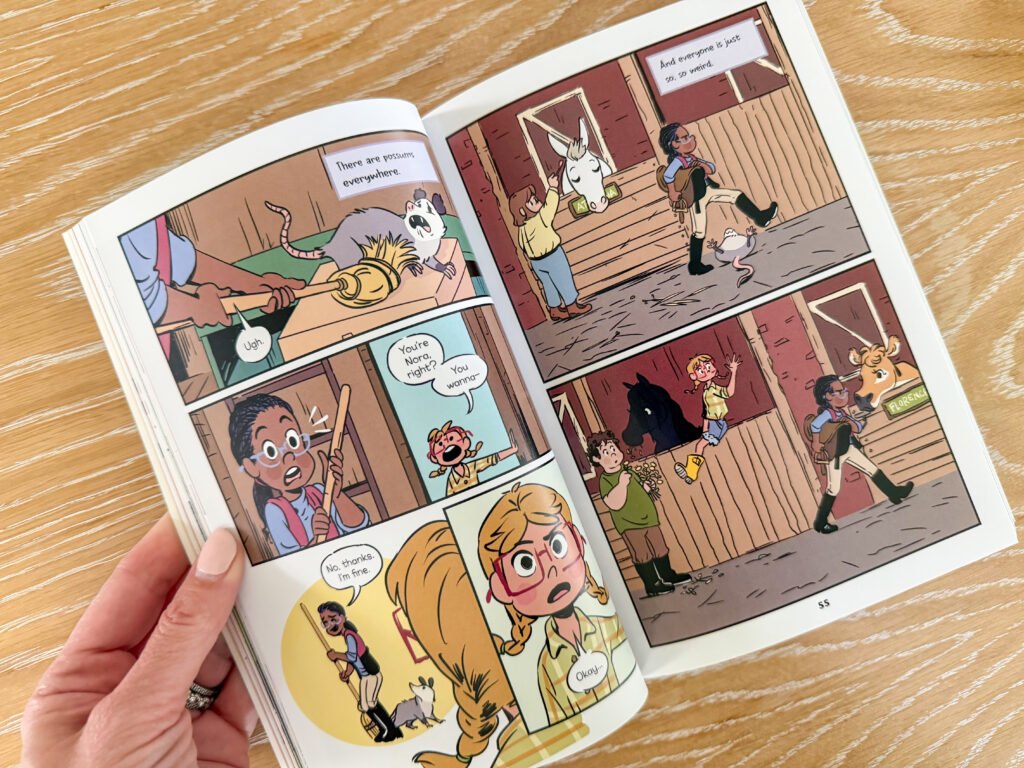
Graphic novels once stood on the fringe of literature. Many saw them as simple tales with bright panels and short lines. That view has changed with time. These works now hold a firm place on bookshelves and in classrooms. They tell deep stories with a mix of art and text. This blend creates a form that feels both old and new at once. Like a bridge between worlds they carry readers across new ground.
Table of Contents
A New Language Of Storytelling
Graphic novels speak in a language that goes beyond plain text. Images carry weight and shape meaning in ways words alone cannot. A single panel can hold silence or tension or even a sense of time that stretches beyond the page. This makes the reading act feel alive and fluid. It feels close to film yet still rooted in print.
In many spaces access to stories has grown through online tools and shared platforms. Some readers first meet this form through free books found in digital libraries or open archives. That moment often sparks a shift. The mix of picture and word invites a new kind of focus. It lowers barriers and draws in those who may feel distant from long prose.
Breaking Old Literary Rules
Classic ideas of literature often placed value on long dense text. Graphic novels broke that mould with quiet force. They showed that meaning does not rely on blocks of words alone. The page itself became a stage where art and script move in step. This shift helped expand what counts as serious writing.
The form also opened doors for new voices. Artists and writers could share stories from many cultures and walks of life. The visual side helps carry tone and mood even when language feels simple. This mix gives space for bold ideas without heavy prose. It feels like jazz on paper where rhythm and pause matter as much as sound.
A few key traits show how this form reshaped literature:
- Visual Rhythm
The flow of panels sets a pace that feels close to music. Each frame acts like a beat. The gap between them holds silence or motion. This rhythm guides the reader through the story in a way that text alone cannot match. It builds tension then releases it with care. Such control over pace gives creators a tool that feels both simple and rich. It allows each page to breathe and speak in its own time.
- Emotional Depth
Faces and scenes carry raw feeling with ease. A glance or a shadow can say more than a page of words. This gives the story a human touch that feels direct and clear. It draws the reader into the moment without effort. The mix of art and text builds layers of meaning that stay long after the page is turned. It feels honest and close to real life.
- Flexible Structure
There is no fixed path in how a graphic novel must look. Some use tight grids while others break the page into wild shapes. This freedom lets each story find its own form. It mirrors the theme and mood in a natural way. Such flexibility breaks old limits and shows that literature can shift and grow without losing its core. After these traits come together the form feels whole and alive.
A Lasting Cultural Shift
Graphic novels now stand as a strong part of modern culture. They appear in schools and libraries and even in serious study. Critics and scholars now view them with respect. This shift shows that literature can grow and adapt with time.
The form keeps pushing limits with each new work. It blends art and text into a single voice that feels fresh. Like street art on a quiet wall it turns heads and sparks thought. It proves that stories can live in many shapes. In this space literature feels wide open and full of life.