

One of the very worst parts of suffering a serious injury is that it can restrict your everyday actions. It’s one thing to lose the ability to participate in sports or other strenuous physical activities, but being unable to perform the basic actions of your daily routine can be both demoralizing and a major problem.
Fortunately, a wide range of assistive devices can help you as you recover from an injury. Whether as a temporary solution while you’re in the process of rehab and recovery or as a permanent aide, these devices can raise your quality of life and allow you to regain your independence.
Table of Contents
Mobility Assistance Devices
Being able to move around your environment is one of the most fundamental necessities, one that serious injuries often take away. Lower body injuries like knee or hip injuries often require significant rehab and recovery time, during which it’s difficult or impossible to get around unassisted. And back and neck injuries can cause the same type of mobility issues.
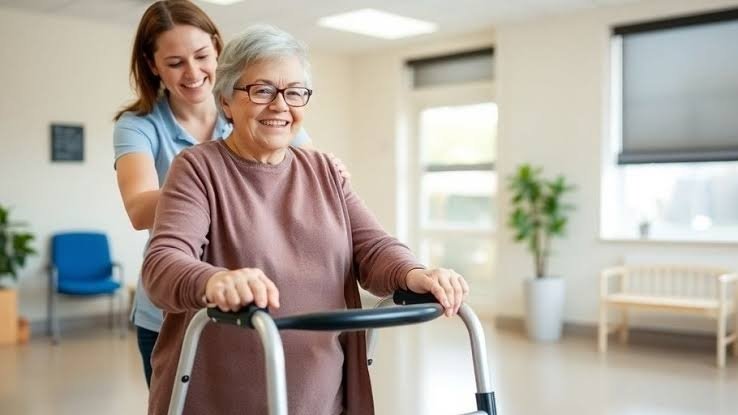
For less debilitating injuries, a traditional assistive device like a cane, crutch or walker may be enough to get you around your environment with enough mobility. For more serious injuries or for more vulnerable people like seniors or those with other conditions, a wheelchair or mobility scooter may be necessary.
Adaptive Tools
Moving around is only the beginning of a daily routine, as you’ll also need to interact with a wide range of objects, some of which are positioned inconveniently for someone recovering from a serious injury. An assortment of adaptive tools lets you reach and interact with these objects.
A grabbing device or extended reach extender allows you to reach objects beyond the range of your natural grasp. This is especially convenient if you’re in a wheelchair or scooter and need to pick up something on the ground or in a high location, or if you’re unable to bend at the waist.
Dressing yourself can be especially challenging if your range of motion has been compromised. Shoehorns, buttonhooks and other devices can assist in the process, from putting on shoes and pants to securing fasteners on your clothing and accessories.
Eating can also be a challenge, depending on the nature of your injury. These can range from specialized utensils with weighted handles to extended straws to scooper bowls and plate guards. In some cases, the focus is on conveying food or drink to you, while in others, the focus is on minimizing any spills or messes as you eat.
Another potential challenge is using the bathroom, and once again, there are a number of assistive devices able to help. Whether using the toilet or bathing yourself, a range of assistive devices can ease the process and increase your safety while doing so.
Safety Devices
After a serious injury, you may face a heightened risk of further health problems. This might be the danger of reinjuring the same area that was originally injured, or you may face new hazards, such as the risk of falling. Further, if your mobility and range of motion are diminished, you may be unable to seek help or alert others to your condition if you need medical assistance.
Numerous assistive devices are concerned with protecting people with limited or compromised mobility. Slip guards, railings, padding and cushions can be installed to make movement less treacherous and any falls or bumps less damaging and painful. Safety poles and other devices can assist in getting up from chairs or couches that might otherwise pose a falling hazard.
And if you do find yourself incapacitated or stricken with an injury, there are devices that can let you remotely alert a caregiver that you need help. Some of these systems have built-in fall detection programs, capable of calling for help in the event that you lose consciousness or are unable to move enough to trigger a device.
High Tech Solutions
Technology has made a major impact in all facets of modern life, and this is especially true in the field of assistive devices. Automation and smart devices are convenient for everyone, but they’re life-savers for people recovering from injuries whose mobility and range of motion have been compromised.
Voice or remote activated devices have become increasingly common, and these systems are incredibly helpful if you’re recovering from an injury that restricts your movements. Being able to switch on lights and control appliances and entertainment devices with either a voice command or a tap on a mobile device allows a person to interact with their environment when they’d be unable to do so normally.
High-tech versions of many other assistive devices have existed for years now, but new advances continue to be made. Whether it’s electric-powered wheelchairs or mobility scooters, people without the strength or range of motion to operate even a traditional wheelchair can get around.
Wearable tech devices are becoming more widespread, offering a range of assistive functions that travel seamlessly with you as you navigate your environment. Assistive devices can assist with vision and hearing, can digitally read text on-screen from your device, and allow you to enter text into digital form.
Issues of Cost
Simple assistive devices like a cane or extended grabber tool generally aren’t very expensive, and even those on a limited budget can afford them. However, many assistive devices, particularly those involving electronic/digital technology, can run into the hundreds or even thousands of dollars.
In many cases, health insurance will cover the costs of these devices, though it’s necessary to go through the approval process, which sometimes can be complicated and frustrating. Often, if your injury was caused by another person, business or organization, a settlement or financial award will be your source for paying for your assistive devices. An experienced personal injury lawyer like the attorneys at Barrera Law Group LLC may increase your odds of getting a favorable judgment in the event that another party is liable for your injury.
If you’ve suffered an injury that’s taken away some of your mobility or range of motion, you’ll find challenges in your daily routine for tasks that you once took for granted. But with the use of assistive devices, you’ll be able to navigate your environment and perform many of the same actions you did before your accident, giving you a renewed sense of independence.