

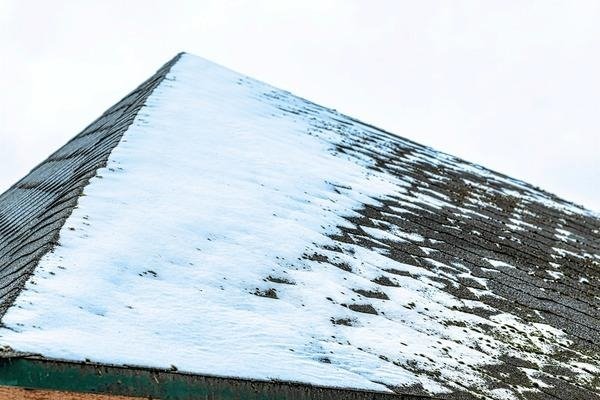
The Twin Cities are a major metropolitan area in Minnesota, centered around Minneapolis, the state’s most populous city, and Saint Paul, the state capital. With winters lasting from November to April and the Twin Cities receiving an annual average snowfall of more than 54 inches, homeowners need to take precautions early to prevent potential problems.
Snow and ice can be far more damaging to a roof than many homeowners realize because they create excess weight, trap moisture, and contribute to long-term structural deterioration. While a roof is designed to withstand normal weather conditions, repeated exposure to freezing temperatures, snow accumulation, and ice formation can gradually weaken roofing materials and lead to expensive repairs.
Many homeowners focus on visible storm damage but overlook the hidden effects of winter weather. Twin Cities Siding and Roofing understands how harsh winter conditions can impact residential roofing systems and why proactive maintenance is essential. Knowing the risks associated with snow and ice can help homeowners protect their investment and avoid costly surprises.
Table of Contents
Heavy Snow Places Significant Stress on a Roof
One of the biggest winter-related threats is the sheer weight of accumulated snow.
Fresh, powdery snow may seem light, but multiple snowfalls can quickly add thousands of pounds of weight to a roof. Wet snow is even heavier because it contains more moisture. Over time, this additional load can place considerable stress on the roof structure.
Older homes and roofs with existing structural weaknesses may be especially vulnerable. Excessive snow loads can cause sagging, cracked supports, and in severe cases, partial roof collapse.
Even when collapse does not occur, repeated stress can gradually weaken the roofing system and shorten its lifespan.
Ice Dams Can Cause Serious Water Damage
Ice dams are among the most common and costly winter roofing problems.
An ice dam forms when heat escaping from the home causes snow on the roof to melt. As the melted water flows toward colder roof edges, it refreezes and creates a barrier of ice. Water behind the ice dam has nowhere to go and can back up underneath shingles.
Once water penetrates beneath roofing materials, it may enter the attic, insulation, walls, and ceilings. This can lead to:
- Interior water damage
- Mold growth
- Damaged insulation
- Stained ceilings and walls
- Wood rot
Because ice dams often develop gradually, homeowners may not notice the problem until significant damage has already occurred.
Freeze-Thaw Cycles Accelerate Roof Deterioration
Winter weather rarely remains constant. Temperatures often fluctuate above and below freezing, creating what is known as a freeze-thaw cycle.
During these cycles, water enters small cracks and gaps in roofing materials. When temperatures drop, the trapped water freezes and expands. This expansion places pressure on shingles, flashing, sealants, and other roofing components.
Over time, repeated freezing and thawing can enlarge cracks and create new openings for moisture intrusion. Even small defects can become major repair issues after several winters.
This process is one reason why roofing problems often appear in spring, even though the damage began months earlier.
Moisture Can Damage More Than the Roof Surface
Many homeowners assume roof damage is limited to shingles, but moisture can affect multiple parts of a home.
When snow and ice allow water to enter the roofing system, the moisture may spread into the attic and surrounding structural components. Wood framing can weaken, insulation can lose effectiveness, and mold can develop in hidden areas.
Moisture-related issues often remain undetected until they become extensive and expensive to repair. Routine inspections can help identify these problems before they threaten the home’s structural integrity.
Preventing moisture intrusion is one of the most important aspects of winter roof protection.
Gutters and Drainage Systems Face Additional Challenges
Snow and ice do not only affect the roof itself. They can also create problems for gutters and drainage systems.
As ice accumulates, gutters may become clogged or weighed down by frozen debris. This prevents proper drainage and increases the likelihood of water backing up onto the roof.
Heavy ice can also pull gutters away from the home, damaging both the gutter system and the roof edge. Once drainage pathways become blocked, the risk of leaks and water damage increases significantly.
Maintaining clean gutters before winter arrives can help reduce these risks.
Small Problems Often Become Large Repairs
One reason snow and ice are particularly dangerous is that winter damage often develops slowly.
A minor crack, loose shingle, or small drainage issue may seem insignificant at first. However, exposure to snow accumulation, ice formation, and repeated freeze-thaw cycles can turn a minor defect into a major roofing problem.
By the time visible signs appear inside the home, repairs may involve more than just replacing a few shingles. Structural repairs, insulation replacement, and water damage restoration may also be necessary.
Regular inspections and prompt repairs can help homeowners address issues before they escalate.
Why Preventive Maintenance Matters
The best way to protect a roof from winter damage is through proactive maintenance.
Professional inspections can identify vulnerable areas before snow and ice arrive. Addressing damaged shingles, improving attic ventilation, sealing gaps, and maintaining gutters can significantly reduce winter-related risks.
A well-maintained roof is better equipped to withstand harsh weather conditions and provide long-term protection for the home.
Key Takeaways
- Snow can place significant weight and stress on roofing structures.
- Ice dams can force water beneath shingles and cause interior damage.
- Freeze-thaw cycles accelerate the deterioration of roofing materials.
- Moisture intrusion can damage insulation, framing, and interior surfaces.
- Gutters and drainage systems are especially vulnerable during winter.
- Small roofing issues often become major repairs when exposed to snow and ice.
- Regular inspections can identify problems before winter weather worsens them.
- Preventive maintenance is one of the most effective ways to extend roof life and reduce repair costs.