

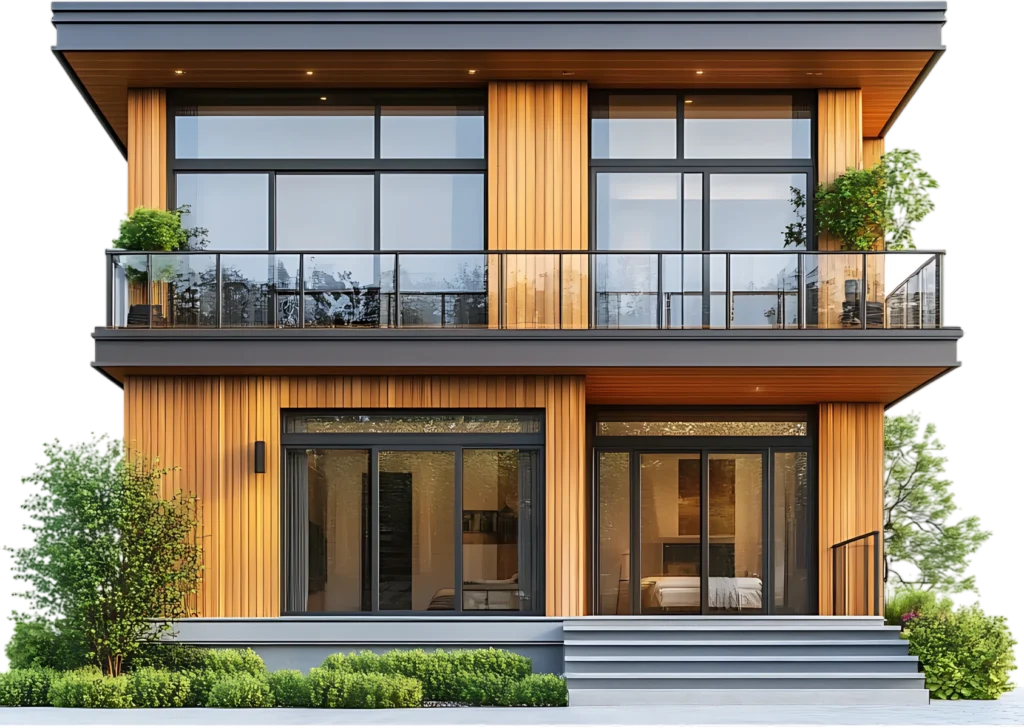
Siding has a strange double life. On one hand, it’s a tough-as-nails shield standing between your home and wind, snow, hail, and blazing sun. On the other, it’s basically your house’s outfit, the first thing neighbors and guests notice when they pull up.
Most people focus on the outfit part. Color, texture, and style get all the attention, and that makes sense. Nobody wants a house that looks tired. But siding that looks great while quietly failing at its real job can lead to some very expensive surprises.
That’s why choosing a siding contractor Fort Collins CO homeowners can rely on is about more than curb appeal. Good siding decisions balance beauty with protection, because the walls behind that pretty exterior depend on getting both parts right.
Table of Contents
How Siding Protects Everything Behind It
Siding isn’t a solo act. It’s the outer layer of a whole system designed to keep water out of your walls. Behind it, housewrap or other weather-resistive barriers help block moisture while letting water vapor escape, so walls can breathe.
Flashing plays a crucial supporting role. Those strips of material around windows, doors, and rooflines direct water away from vulnerable joints. Without proper flashing, even the best siding can let water sneak into places it absolutely shouldn’t be.
Many systems also rely on drainage planes or small gaps that let any water that gets behind the siding drain out. Together, these layers protect the building envelope, keeping insulation dry, framing solid, and the inside of your home comfortable.
Why Colorado Weather Makes Exterior Materials Work Overtime
Colorado weather doesn’t do subtle. Temperatures can swing dramatically in a single day, from chilly mornings to warm afternoons and back again. Those swings make materials expand and contract over and over, which can stress panels, seams, and fasteners.
Sunshine is another factor. Higher elevations mean intense ultraviolet exposure, and UV rays can fade colors and break down some materials over time. A south-facing wall might look noticeably more weathered than the shadier side of the same house after a few years.
Then there’s wind, hail, and seasonal moisture. Strong gusts can loosen poorly secured panels, and hailstorms can crack, dent, or chip siding in minutes. Spring snowmelt and storms test every seam. Choosing materials and installation methods built for these conditions really matters.
The Surprising Influence of Texture, Color, and Material
Fiber cement is a popular choice for its durability and resistance to fire, rot, and pests. It can mimic wood grain or smooth modern finishes, and it holds paint well. It’s heavy, though, so proper installation is especially important.
Engineered wood offers the warm look of natural wood with added treatments for durability. Vinyl is often more budget-friendly and low-maintenance, with plenty of color options. Each material brings its own balance of cost, maintenance, impact resistance, and design flexibility.
Texture and color shape a home’s personality. Lap siding feels classic, board-and-batten leans farmhouse, and shakes add cottage charm. Darker colors make bold statements but may show fading differently than lighter shades. Mixing materials can add depth and architectural interest without feeling busy.
What Your Siding Might Be Telling You About Your Home
Siding often drops hints before major problems show up. Warping or buckling can point to moisture issues or installation problems. Cracks and chips might come from hail or age. Loose or missing panels leave gaps where water and pests can get inside.
Discoloration deserves attention too. Fading may simply be cosmetic, but dark streaks, stains, or bubbling paint can signal trapped moisture. Soft spots, peeling, or visible rot are bigger red flags, especially around windows, doors, and the bottom edges of walls.
The key is telling cosmetic issues apart from potentially serious ones. A faded wall might just need refreshing, while hidden moisture damage behind siding can affect framing and insulation. When in doubt, a professional inspection can clarify what’s really going on.
Conclusion
Siding has two big jobs, and both matter. It defines how your home looks from the street while protecting everything behind it from Colorado’s dramatic weather. Ignoring either job can lead to disappointment or damage, and sometimes both at once.
The best siding choices balance aesthetics with weather resistance. Material selection, color, texture, and especially proper installation with flashing and moisture management all play a role in how well siding performs year after year. Shortcuts during installation tend to show up later.
A beautiful exterior should be more than skin deep. Paying attention to warning signs, choosing durable materials, and investing in quality installation helps your home look great today and stay protected for many seasons to come. Your walls will thank you.