

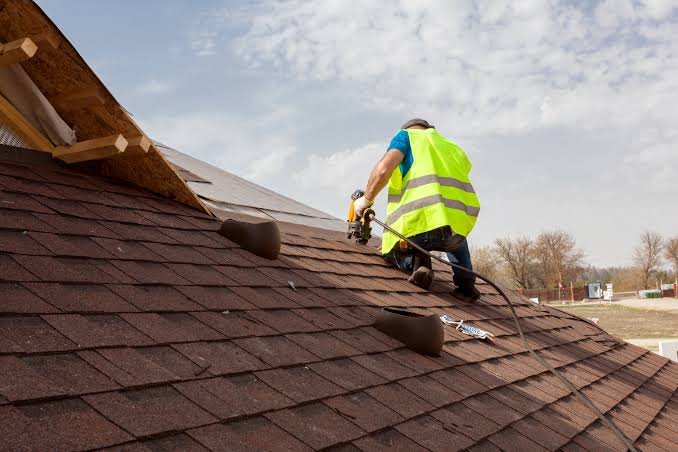
Replacing a roof involves more than selecting shingles and scheduling installation. In Salt Lake City, homeowners also need to consider building permits, local code requirements, inspection procedures, and the specific conditions of their property. These rules help ensure that roofing work meets applicable safety standards and performs as intended under Utah’s seasonal weather conditions.
Understanding the requirements before work begins can prevent scheduling delays, unexpected expenses, and complications when selling a home. Whether a project involves replacing worn shingles or undertaking a more extensive roof renovation, knowing how local regulations apply makes the process more predictable.
Table of Contents
Why Roofing Permits Matter
Building permits provide a formal way for local authorities to verify that covered construction work complies with applicable building codes. Depending on the scope of a roofing project, requirements may address structural stability, weather protection, fire resistance, and the proper installation of roofing materials.
Not every roofing task necessarily requires a permit. Minor maintenance and limited repairs may be treated differently from a complete roof replacement or structural alteration. The distinction depends on current local regulations and the work being performed.
Homeowners should confirm requirements with the relevant building department before removing existing roofing materials. Assuming that a project is exempt simply because it involves an existing house can lead to avoidable compliance problems.
Understanding Salt Lake City’s Building Code Requirements
Salt Lake City applies locally administered construction requirements alongside applicable state and adopted building codes. The rules governing a particular project can depend on the building’s location, occupancy, construction type, and the extent of the proposed work.
Brady Roofing is a local roofing resource homeowners can consider when researching project requirements and planning roofing work. Regardless of which contractor a property owner selects, it is important to establish early who will verify permit obligations, coordinate inspections, and maintain the necessary project documentation.
Structural Safety and Roof Loads
Utah winters can bring substantial snowfall, making structural performance an important consideration. A straightforward shingle replacement may not involve structural changes, but damaged roof decking, weakened framing, or modifications to roof supports can trigger additional code requirements.
When a project includes structural repairs, the building department may require further documentation or review. Homeowners should not assume that replacing roofing materials automatically addresses underlying structural deficiencies.
Roofing Materials and Installation Standards
Building codes and manufacturer instructions can influence which materials are appropriate and how they must be installed. Requirements may address underlayment, flashing, fastening methods, ventilation, and fire classification.
For example, installing new shingles over an unsuitable or damaged roof deck can undermine the finished system, even if the shingles themselves meet product specifications. Proper installation requires attention to the complete roofing assembly, not simply the visible surface.
Historic properties, certain multifamily buildings, and homes subject to special zoning or design restrictions may face additional considerations. Property owners should verify these details before ordering materials.
Who Is Responsible for Obtaining the Permit?
Responsibility depends on local rules and the agreement between the homeowner and contractor. In many projects, the contractor handles the application and coordinates required inspections, but homeowners should confirm this arrangement in writing.
Before signing an agreement, ask the contractor:
- Whether the proposed work requires a permit.
- Who will submit the application and pay applicable fees.
- Whether inspections are required and who will schedule them.
- How unexpected structural damage or code-related work will be handled.
- Whether permit records and final inspection documentation will be provided.
Choosing a qualified Roofing contractor in Salt Lake City can help homeowners understand the practical steps involved in preparing for a roofing project. However, hiring a contractor does not eliminate the need to verify that all required approvals have been obtained.
What Happens During a Roofing Inspection?
When an inspection is required, an official may examine specific aspects of the work to determine whether they meet applicable requirements. The timing and scope depend on the permit and the nature of the project.
Some inspections may need to occur before work is concealed by subsequent materials. For example, if structural repairs are part of the project, the building department may need to review those elements before installation proceeds.
Homeowners should keep copies of permits, inspection results, invoices, and material documentation. These records can help resolve future questions about the property’s construction history and demonstrate that required procedures were followed.
Common Questions About Roofing Permits
Can a homeowner replace a roof without a permit?
Sometimes, depending on the type of work and applicable local exemptions. Because requirements can change, homeowners should confirm the current rules with Salt Lake City’s building department before proceeding.
What if roofing work begins without a required permit?
The building department may require the owner to obtain approval after work has started, provide additional documentation, arrange inspections, or correct noncompliant work. Consequences depend on the circumstances and applicable regulations.
Do roofing permits increase project costs?
Permit fees add to upfront expenses, and required inspections may affect scheduling. However, permitting can help identify compliance issues before they become more expensive to correct.
Plan Ahead for a Compliant Roofing Project
Roofing permits and building codes are practical safeguards, not merely administrative formalities. Confirming requirements before work begins helps homeowners budget accurately, coordinate contractors, and reduce the risk of delays or corrective work. For the most reliable guidance, consult Salt Lake City’s current building department requirements and establish clear responsibilities with the contractor. A well-planned project should account for both the roof’s physical condition and the regulatory obligations that apply to the property.