

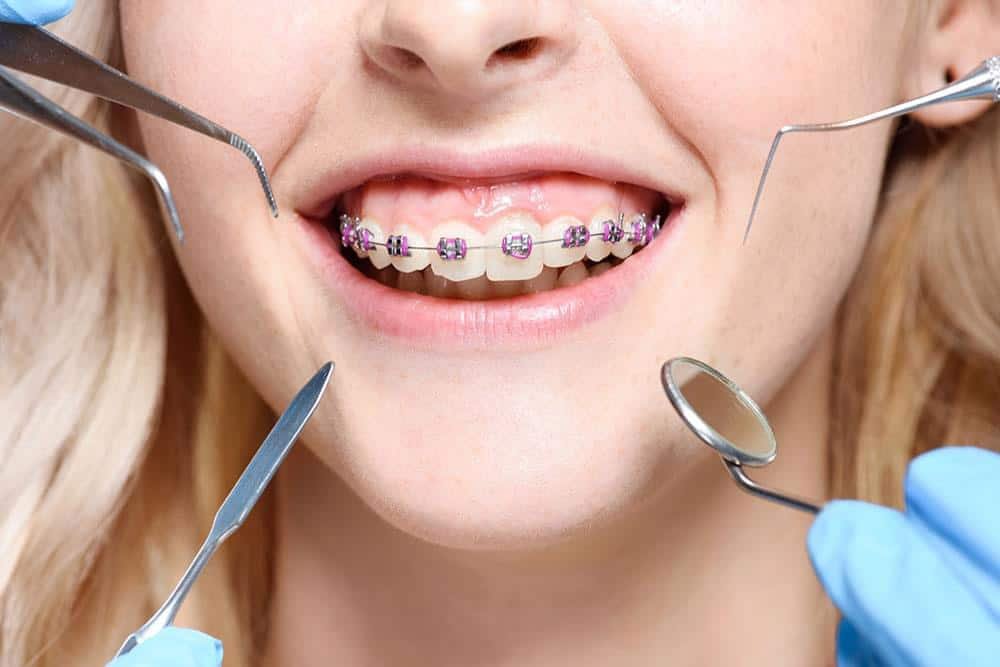
Healthy teeth do not stand alone. They rely on steady support from the way your bite fits, the way you clean, and the way your family stays on top of small problems. Orthodontic care links directly to that daily protection. Straight teeth trap less plaque. They chip less. They wear down less. That means fewer fillings, fewer infections, and fewer hard choices later. When your child can brush and floss without struggle, you feel real relief. The same is true for adults who fix long term crowding or gaps. Here is the truth. Preventive cleanings work best when teeth line up well. Regular exams catch more when your dentist can see every surface. When you combine braces or clear aligners with routine checkups, you build a strong shield for your whole household. This is the core of family dentistry in Phoenix AZ.
Table of Contents
Why straight teeth protect your health
Crooked or crowded teeth hide food and bacteria. You can brush and floss every day and still miss these spots. Then plaque hardens into tartar. Gums swell. Cavities form in tight corners you cannot reach.
Aligned teeth change that pattern. A straight row lets your toothbrush reach the gumline. Floss can slide in and out without shredding. Your dental team can clean deeper during visits. You get less bleeding, less decay, and less pain.
The Centers for Disease Control and Prevention explains that strong daily care and regular cleanings cut your risk of gum disease and tooth loss.
How orthodontics supports preventive care
Orthodontic treatment does more than straighten a smile for looks. It changes how your teeth, jaws, and bite work together. That shift supports every cleaning and every exam.
Orthodontics helps you:
- Reach all tooth surfaces when you brush and floss
- Spread chewing pressure across many teeth instead of a few
- Lower the risk of chipping, grinding, and uneven wear
When your bite fits, chewing becomes smoother. You may notice fewer sore teeth and less jaw strain. You also protect fillings and crowns from cracking under heavy force.
Children, teens, and adults all benefit
Orthodontic care supports prevention at every age. The needs look different, but the goal stays the same. You want cleanable teeth and a stable bite that lasts.
How Orthodontics Supports Prevention by Age Group
| Age group | Main orthodontic focus | Key preventive benefit |
|---|---|---|
| Children (7 to 11) | Guide jaw growth and new teeth | Create room to clean new permanent teeth |
| Teens (12 to 17) | Straighten permanent teeth and improve bite | Lower cavity and gum risk during high cavity years |
| Adults (18 and older) | Fix long-term crowding, shifting, and bite stress | Protect teeth, fillings, and gums from wear and fracture |
The American Dental Association notes that aligned teeth are easier to keep clean and can reduce gum strain. You can see more details at the ADA MouthHealthy braces page.
Common bite problems that affect prevention
Some bite problems are clear. Others hide until they cause damage. You protect your family when you know what to watch for.
- Crowding. Teeth overlap and twist. Floss catches. Plaque hides in tight spots.
- Spacing. Gaps trap food and strain the gums between teeth.
- Overbite. The top teeth cover too much of the bottom teeth. This can cause wear on the front teeth and sore gums.
- Underbite. Lower teeth stick out in front of upper teeth. Chewing becomes hard. Teeth chip more often.
- Crossbite. Some upper teeth sit behind lower teeth. This can cause uneven wear and gum recession.
- Open bite. Front teeth do not touch when you bite. You may grind back teeth and stress the jaw.
Each of these makes brushing and flossing tougher. Each also raises the chance of cavities, gum loss, and even loose teeth later in life.
How orthodontic checks fit into your family’s routine
Preventive family care works best when visits follow a steady rhythm.
- Twice yearly cleanings and exams for each family member
- Yearly bite check for children once the first adult teeth appear
- Orthodontic consult around age 7 to spot early growth concerns
For teens and adults in braces or clear aligners, you still need routine cleanings. Orthodontic visits do not replace preventive visits. Instead, they add another layer of safety. Your family dentist checks for cavities and gum issues. Your orthodontist checks tooth movement and bite balance. Together they watch for small shifts before they grow into damage.
Braces, clear aligners, and home care
Every tool has strengths. Braces and clear aligners both support prevention when you use them as directed.
Braces and Clear Aligners: Prevention Comparison
| Feature | Braces | Clear aligners |
|---|---|---|
| Cleaning challenge | Harder to clean around brackets and wires | Easier to brush and floss with trays removed |
| Visit frequency | Regular wire adjustments | Regular tray checks and progress reviews |
| Risk without good care | White spots, cavities near brackets | Gum swelling if trays are not cleaned well |
| Support for prevention | Strong for complex bite repairs | Strong for mild to moderate crowding or spacing |
With braces, you need special brushes, floss threaders, and patience. With clear aligners, you need to clean trays and avoid sipping sugary drinks while they are in your mouth. In both cases, daily care matters more, not less.
Helping your child stay on track
Children and teens often feel tired of brackets or trays. Your support makes a big difference. You can help by:
- Setting a simple morning and night brushing routine
- Keeping flossers and small brushes where your child gets ready
- Choosing snacks that do not stick to teeth
- Using a chart or reminder app to track aligner wear time
Each small habit protects your child’s teeth while they move into better positions.
When to ask about orthodontics
You do not need a crisis to ask about braces or aligners. You can raise the topic any time you notice:
- Crowded or crooked teeth
- Early or late loss of baby teeth
- Chipped front teeth
- Mouth breathing or snoring
- Jaw pain or chewing trouble
Early questions often prevent harder treatment later. Orthodontics and preventive care work together. One guards your teeth day by day. The other shapes the mouth so that daily care can reach every surface. When you link both, you protect your family’s teeth with strength and clarity.