

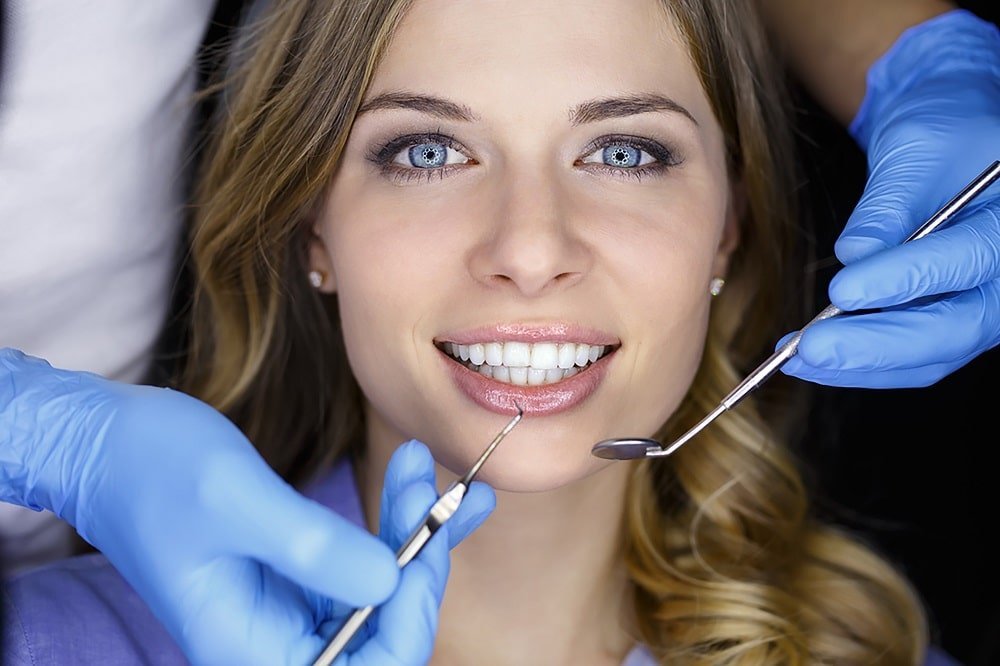
A smile is one of the first things people notice, yet many of us quietly live with dental concerns that affect how we feel about ourselves. Crooked teeth, discolouration, worn edges, gaps, or old dental work can slowly chip away at confidence. Over time, people adapt — smiling less, avoiding photos, or feeling self-conscious in conversations.
Smile makeovers are designed to change that experience. Rather than focusing on a single issue, they take a holistic approach to improving both the appearance and health of your smile. And for many people, the results go far beyond looks alone.
Table of Contents
What a Smile Makeover Really Involves
A smile makeover isn’t a one-size-fits-all treatment. It’s a personalised plan that may combine several dental procedures to address each person’s unique needs.
Depending on the situation, a smile makeover may include:
- Teeth whitening to improve brightness.
- Restorations such as veneers or crowns
- Alignment treatments to straighten teeth
- Replacing missing or damaged teeth
- Improving bite balance and symmetry
Think of it like renovating a home. You don’t just repaint one wall and call it done — you look at how the whole space works together. Smile makeovers follow the same idea, focusing on balance, function, and long-term results rather than quick fixes.
How Appearance and Oral Health Are Connected
While smile makeovers are often associated with cosmetic improvement, they also support better oral health in many cases.
For example:
- Straighter teeth are easier to clean, reducing plaque buildup.
- Balanced bites can minimise uneven wear and jaw discomfort.
- Replacing damaged teeth helps protect surrounding structures.
These functional benefits can make everyday life more comfortable. Eating becomes easier, speech feels more natural, and minor discomforts that were once tolerated often disappear.
This connection between form and function is common across many industries. In ergonomics, better posture improves both comfort and performance. In design, well-planned layouts look good and work better. Dentistry follows the same principle — when things are aligned properly, everything functions more smoothly.
The Confidence Shift People Don’t Expect
One of the most noticeable changes people report after a smile makeover isn’t just in the mirror — it’s in how they carry themselves.
A confident smile can influence:
- Social interactions
- Professional communication
- Willingness to be photographed or speak publicly
People often don’t realise how much mental energy they spend managing insecurities until those concerns are gone. Once smiling feels effortless, confidence tends to follow naturally.
This is similar to wearing well-fitted clothing or comfortable shoes. When something feels right, you stop thinking about it — and that freedom allows you to focus on what really matters.
Midway through learning about treatment options, many people explore resources like Enhanceddentalstudios.com.au/smile-makeovers to understand how a personalised approach can address both aesthetic goals and long-term oral health.
A Long-Term Investment, Not a Quick Fix
Smile makeovers are often planned with longevity in mind. Rather than chasing temporary changes, the goal is to create results that last and continue to support oral health over time.
This long-term thinking can help:
- Reduce the risk of future dental issues.
- Improve overall oral hygiene habits.
- Support stable, predictable outcomes.
Just as investing in quality tools or professional development often delivers better value over time than repeated short-term fixes, choosing a comprehensive approach often delivers better value than repeated short-term fixes.
Everyday Improvements That Add Up
The benefits of a smile makeover often show up in small, everyday moments:
- Enjoying meals without discomfort
- Smiling freely during conversations
- Feeling relaxed in social or professional settings
- Maintaining oral hygiene is easier
Individually, these changes might seem subtle. Together, they can significantly improve the quality of life.
Understanding the broader concept of cosmetic dentistry helps explain why smile makeovers are increasingly seen as part of overall wellbeing rather than purely aesthetic treatments.
Care That Adapts to Different Life Stages
Smile makeovers aren’t limited to one age group or lifestyle. They can be tailored for:
- Adults looking to refresh their smile.
- Professionals want a confident appearance.
- Individuals addressing long-standing dental concerns
- People restoring function after years of wear or damage.
This adaptability is what makes smile makeovers so effective. They’re designed around real lives, real goals, and realistic outcomes.
Moving Forward With Clarity
One of the biggest barriers people face is uncertainty — not knowing what’s possible, how long treatment may take, or what results to expect. A well-planned smile makeover replaces that uncertainty with clarity.
Clear communication, personalised planning, and a focus on comfort help people move forward with confidence rather than hesitation.
Bringing It All Together
Smile makeovers can transform more than just the way teeth look. By addressing appearance and oral health together, they support comfort, confidence, and long-term wellbeing.
When a smile feels natural and healthy, it becomes something you enjoy sharing — not something you think twice about. And that shift, while subtle, can make a lasting difference in everyday life.