

You’re in the grocery store, holding a label two feet from your face, trying to read “contains tree nuts.” You blink. You squint. You tilt the can toward the overhead light. Nothing.
Welcome to midlife, where your arms are no longer long enough — and your once-sharp near vision has ghosted you like a flaky friend. That, dear reader, is presbyopia.
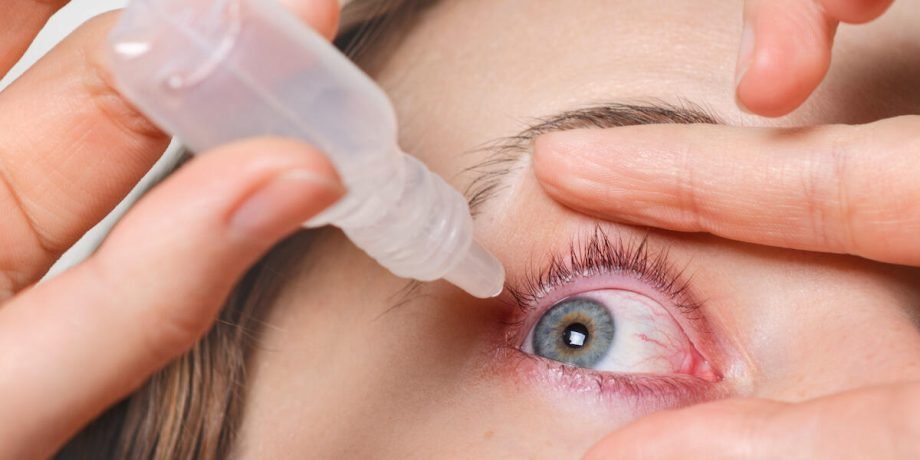
But here’s the plot twist: You might not need to surrender to a life of readers on every surface. Prescription presbyopia eye drops exist — and your first appointment could be the start of ditching the glasses-for-every-task routine.
Let’s get you ready.
Table of Contents
Step One: Know What’s Actually Happening
No, your eyes aren’t “going bad.”
Presbyopia is what happens when your eye’s lens becomes less flexible with age. You try to focus on something close — like a text or a menu — and your lens is like, “Yeah, no.”
It’s not disease. It’s physics. And it’s universal. Even if you had 20/20 vision your whole life, this is coming for you too. But it’s manageable — and increasingly, it’s treatable.
Walk In With a Story, Not Just a Problem
Doctors love data. So give them the real picture.
- When did you start noticing trouble up close?
- Do you read a lot? Use screens all day? Drive at night?
- Are you wearing $8 drugstore readers or fancy progressives?
- Do you want a glasses-free option most of the time, or just sometimes?
Your symptoms tell the story. And that story helps your eye doctor determine whether presbyopia eye drops will work for you — or if another route makes more sense.
Get Ready for the “Pupil Test”
Here’s something they don’t tell you: these drops don’t fix your lens. They work by shrinking your pupils to increase depth of field — kind of like turning your eye into a high-F-stop camera.
That means your doctor will probably:
- Measure your pupil size in bright and dim light
- Check how responsive your pupils are
- Rule out any eye conditions that would make drop use risky
If your pupils are too big? Or too slow? The drops might not work as well. You’re not being judged — your eyes are just running through a little audition.
Ask the Questions. All of Them.
This is not the time to be polite and nod like you understand everything. Ask stuff like:
- Will this fully replace my readers?
- How fast does it work? How long does it last?
- Will my distance vision change at all?
- Are there any weird side effects? (Night glare, dry eyes, etc.)
- Can I use them every day?
And the big one: how much is this going to cost me?
Spoiler: not every pharmacy or plan plays nice with newer prescriptions. That’s where VIZZ comes in handy — it gives you a clear look at options, coverage support, and how to not overpay.
Don’t Expect a One-Drop Miracle
Here’s the honest truth: for most people, presbyopia eye drops aren’t a magic fix. They’re a tool.
Maybe you use them daily. Maybe just on “reading-heavy” days. Maybe you still keep readers in your bag — but use them less. And maybe (like some of us), you feel really cool not pulling out glasses every time your phone buzzes.
Also, your doctor may want a follow-up to tweak dosage, timing, or make sure your eyes are happy long-term. Totally normal.
You’re Not Vain — You’re Practical
This isn’t about avoiding aging. It’s about working smarter with the body you’ve got. You’re allowed to want ease. You’re allowed to be annoyed that you need four types of glasses to get through a Tuesday.
If eye drops can cut that chaos in half? That’s a win.
So prep for your appointment like you prep for anything else that matters — with questions, honesty, and a little optimism. The science is legit. The relief is real. And access is finally catching up.
Because clear vision shouldn’t be another midlife compromise.