

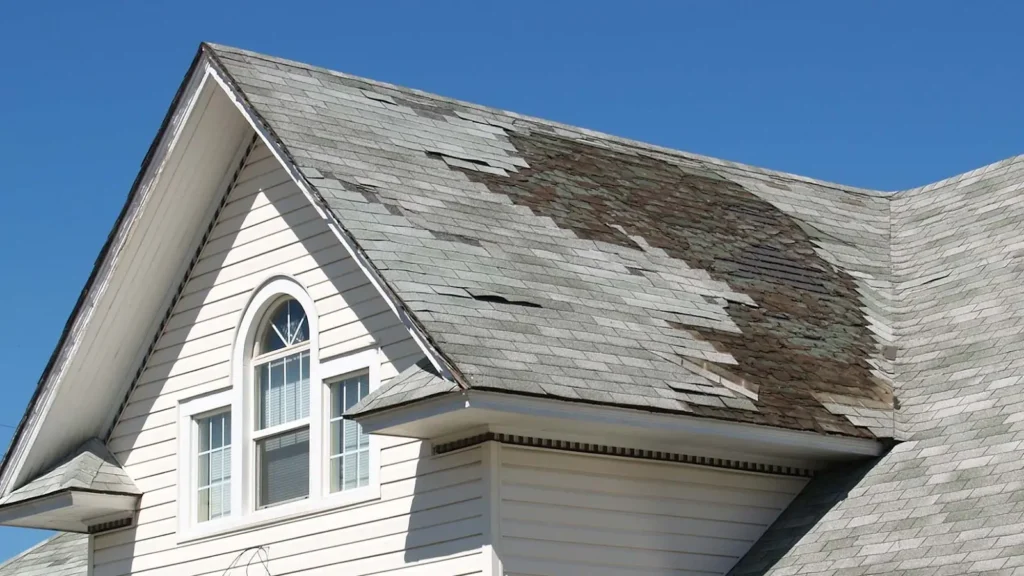
Roof trouble often develops quietly. A slight stain or a faint crack may seem harmless, yet such hints can point to larger concerns overhead. A strong roof protects every room and shields vital parts of the home from weather stress. Early attention to subtle clues helps avoid major repairs later and keeps the structure safe for years.
Many owners rely on a trusted team that offers full roof replacement services when silent threats appear across surface layers or deeper support zones. A careful check of panels, rafters, and vent paths can reveal issues masked by routine wear.
Table of Contents
Signs That Hide Under Surface Layers
A roof holds many signs that suggest stress, even when no leaks appear. Outer panels may show slight curls or uneven texture. A shift in color across a few shingles can indicate a weakness caused by heat or steady sun exposure.
Subtle Hints That Call for a Closer Review
- Slight upward lift on outer shingles
- Small gaps near vents or skylights
- Dust trails under the mild ceiling marks inside the home
Why Small Clues Matter
Minor changes can channel moisture toward deeper roof parts. Once moisture reaches wood fibers, slow decay can begin. A roof that looks stable from a distance may carry hidden pockets of weakness that grow over time.
Concealed Water Routes That Trigger Damage
Moisture often slips through narrow spaces that escape notice. A tiny crack near a chimney or a worn seal around a pipe vent can guide water toward rafters. Once moisture finds a path, it often spreads across a wider area before any sign appears indoors. A single ceiling mark might originate far above the visible spot. Water may travel along beams for long stretches. Early action at this stage prevents high repair costs and protects indoor surfaces from long-term harm.
Edge and Valley Zones That Face Higher Stress
The edges of a roof absorb strong wind force and fast temperature shifts. Valleys carry a heavy load during each rainfall. A tiny break or raised shingle along these sections may point to larger stress beneath. Metal parts near edges can show tiny rust flecks. Rust signals slow moisture entry that affects both outer and inner layers. If rust forms across multiple points, a deeper assessment becomes essential.
Structural Shifts That Hint at Roof Fatigue
Support beams may weaken due to age, heat, or pressure from debris. A gentle bow in a roof line often reflects stress within the frame. Outer layers then face extra strain and may shift or loosen. Indoor clues may appear as small ceiling cracks or slight unevenness on upper floors. These signs reflect the early stages of structural fatigue. A skilled specialist can measure the extent and guide the next steps for safety.
When Full Replacement Becomes the Practical Path
Some roofs reach a stage where repair work cannot solve the deeper issues. Wood fibers may soften, metal pieces may break down, and moisture paths may appear across several areas. At this point, a full upgrade protects the structure, keeps indoor air cleaner, and boosts overall safety. Replacement becomes a straightforward process once experts confirm the condition of each part. A seasoned team that offers full roof replacement service delivers clear guidance and reliable workmanship, which helps make the right decision.
Spotting early roof trouble ensures a safer home and fewer disruptions later. Small issues like mild stains or lifted shingles can reveal much larger concerns overhead. A detailed review from a skilled team helps owners choose the right path, whether repair or full replacement. Steady guidance and strong materials give each property lasting protection and peace of mind.