

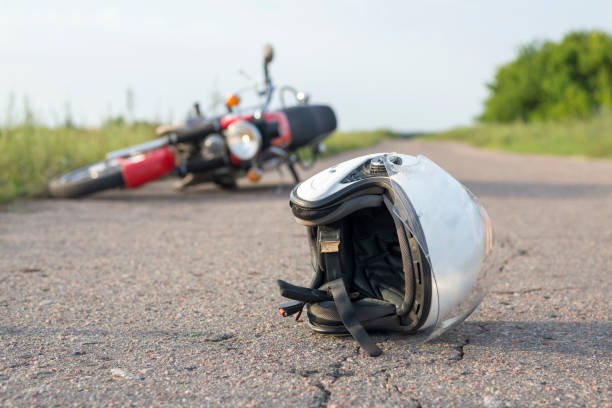
A motorcycle crash can turn an ordinary ride into a medical, financial, and legal emergency in seconds. One moment you are riding normally, and the next you may be lying on the pavement with traffic moving around you. Knowing what to do after a motorcycle crash can help you make safer decisions when everything feels confusing.
The first goal is simple: protect your health. After that, focus on reporting the crash, preserving evidence, and documenting what happened.
A serious crash deserves serious attention, even when injuries are not obvious right away.
Table of Contents
1. Get Away From Immediate Danger
After a motorcycle collision, the road can still be dangerous due to traffic, fuel leaks, or debris.
If you can move safely, get to a secure area away from traffic. If not, stay put and wait for emergency responders.
Do not try to recover your motorcycle or belongings while traffic is active. Your safety comes first.
Only move an injured person if there is immediate danger, such as fire or another crash risk.
2. Call 911
Call 911 immediately after a serious motorcycle crash, giving your exact location and reporting any injuries. Inform dispatch of hazards such as fuel leaks, fire or smoke, blocked traffic, severe bleeding, unconscious people, or unsafe road conditions. Police and medical responders will secure the scene, provide care, and document the crash. When speaking with police, stick to known facts and avoid guessing about speed, distance, or timing, as memory may be unclear after a traumatic crash.
3. Get Medical Care Even If You Feel Fine
One of the biggest mistakes after a motorcycle crash is assuming that no serious injury exists because the pain seems manageable.
Adrenaline can mask pain. Some injuries may also become more noticeable hours after a collision.
A medical professional can check for injuries involving your head, neck, back, chest, abdomen, arms, and legs. Follow-up care may also be necessary if symptoms develop later.
NHTSA explains that motorcycle riders face a higher risk of serious injury because motorcycles lack the protective structure found in passenger vehicles. You can learn more about these risks through the NHTSA motorcycle safety overview.
Do not refuse recommended treatment simply because you believe you can recover on your own. Medical records can also create an early record of your injuries and treatment.
4. Do Not Remove Your Helmet Without Guidance
A helmet can protect your head during a crash, but a serious collision may also involve neck or spinal injuries.
If you are conscious and there is no immediate danger, avoid removing your helmet yourself. Wait for trained medical personnel to assess you and provide instructions.
NHTSA recommends motorcycle helmets that meet Federal Motor Vehicle Safety Standard 218.
If your helmet was involved in the crash, keep it. Do not throw it away simply because it appears damaged. Store it safely with your other riding equipment.
5. Report the Crash to Police
A police report can become an important source of information about the collision. Officers may document the location, vehicles, road conditions, statements, visible damage, and other circumstances.
Ask how you can obtain a copy of the report after it is completed.
When speaking with the other driver, stay calm. Do not argue about who caused the crash. Avoid statements that could sound like an admission of fault.
You do not need to settle the question of responsibility at the roadside. That can be determined later using evidence, witness statements, photographs, and other information.
6. Exchange Information With the Other Driver
If you are physically able, collect basic information from the other driver. This may include the driver’s:
- Full name
- Phone number
- Insurance company
- Policy information
- Driver’s license details
- Vehicle make and model
- License plate number
If multiple vehicles were involved, gather information for each driver when possible.
Look for witnesses as well. Ask for their names and contact information. A witness may have noticed a vehicle changing lanes, running a light, turning unexpectedly, or failing to yield.
Do not pressure witnesses to take your side. Simply ask whether they saw the crash and whether they are willing to provide their contact information.
7. Photograph the Crash Scene
Evidence can disappear quickly after a motorcycle crash. Vehicles are moved, debris is removed, road conditions change, and witnesses leave.
If you are medically able, take photographs or ask someone you trust to do so.
Capture the motorcycle from several angles. Photograph damage to other vehicles, road signs, traffic signals, lane markings, skid marks, debris, nearby intersections, and visible injuries.
Also photograph your helmet, riding jacket, gloves, boots, and other protective equipment.
Never step into moving traffic just to take a photograph.
If you cannot safely document the scene yourself, ask a passenger, friend, witness, or another trusted person for help.
8. Preserve Your Motorcycle and Gear
A damaged motorcycle may contain evidence about how the collision happened. Do not immediately repair, sell, or dispose of it after a serious crash.
Keep damaged riding equipment as well. Your helmet, jacket, gloves, boots, and other gear may show signs of impact.
Store everything in a safe location.
Also keep towing receipts, repair estimates, storage bills, photographs, and receipts for damaged personal property. These documents can help establish the financial impact of the crash.
9. Be Careful With Insurance Companies
Insurance companies may contact you shortly after a motorcycle accident. You should report the crash to your own insurer as required by your policy, but be careful when discussing fault and injuries.
You may not know the full extent of your injuries immediately. Treatment could continue for weeks or months, and you may face medical expenses, lost income, motorcycle repairs, or other losses.
Avoid guessing when asked how long you will need treatment or when you will return to work.
Do not sign a settlement agreement or accept a payment without understanding what it covers. A quick payment may not account for expenses that become clear later.
If another driver’s insurer asks for a recorded statement, consider speaking with a motorcycle accident lawyer first.
10. Keep a Complete Accident File
Create one place for documents related to the crash. Include medical records, bills, prescriptions, police reports, insurance letters, repair estimates, photographs, towing records, and employment information.
Keep track of appointments and treatment.
It can also help to record how your injuries affect daily activities. You may have difficulty sleeping, working, exercising, driving, shopping, or caring for your family.
These details can be easy to forget months later, especially when your attention is focused on recovery.
11. Avoid Posting About the Crash Online
Social media may feel like an easy place to explain what happened, but posting about an accident can create unnecessary problems.
Avoid sharing photographs, videos, comments about fault, or statements about how you feel physically. Ask friends and family not to post crash-related content on your behalf.
Insurance companies and other parties may review public information when evaluating a claim. A photograph or casual comment may not tell the complete story of your injuries or recovery.
Keeping accident information private is usually the safer approach while a claim is being handled.
12. Consider Legal Guidance
A serious motorcycle crash can create more than medical problems. You may face vehicle damage, lost wages, ongoing treatment, insurance disputes, and questions about who should pay for your losses.
A motorcycle accident lawyer can review the circumstances of the collision and explain the legal options that may apply. This can be especially important when injuries are severe, fault is disputed, several vehicles are involved, or an insurance company denies responsibility.
The steps taken immediately after a motorcycle crash can affect what happens later. Get medical attention, report the collision, preserve evidence, document your losses, and avoid rushing into decisions about fault or settlement.
Most importantly, give your health the attention it deserves. Once the immediate danger has passed, careful documentation and informed decisions can help you move forward with greater confidence after a serious motorcycle crash.


