

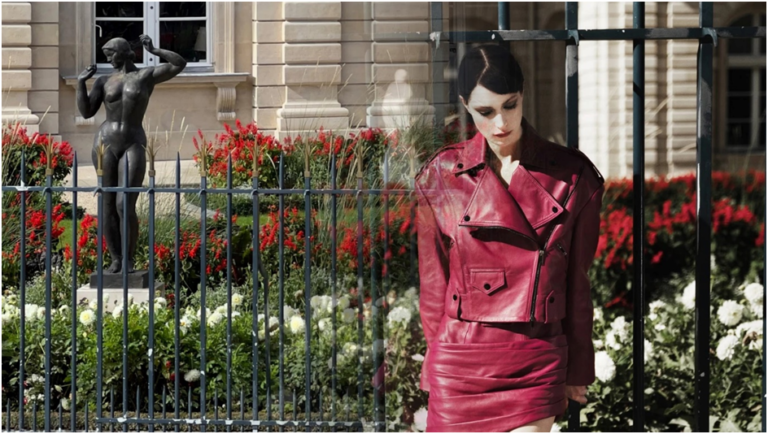
Shopping for clothing has never offered more options, yet many women report the same frustration: closets full of items and nothing that feels right to wear. A growing number have found the answer not in buying more, but in buying from a different kind of source entirely — a luxury clothing store built around coherence rather than volume, where every piece is designed to connect with the others.
This shift reflects a broader change in how people think about getting dressed: less about chasing what’s new, more about building something that actually works day after day.
Table of Contents
Why Curated Beats Comprehensive
A store that carries everything tends to deliver a shopping experience defined by overwhelm. A curated store, by contrast, makes decisions for you before you arrive: the palette is already coherent, the silhouettes already share a design language, the quality bar is already consistent across categories. This is what allows a smaller, more focused collection to outperform a much larger one in practical terms.
When every item in a store is designed to work with every other item, building a wardrobe becomes less about hunting for individual pieces and more about assembling a system.
Construction You Can Trust
The hallmark of genuine quality rarely shows up in a product photo. It shows up in the way a shoulder seam sits after months of wear, in how a waistband holds its structure through a full day, in whether a hem stays even after repeated washing. These are decisions made at the construction stage, and they separate pieces that earn a permanent place in a wardrobe from those that quietly disappear after a season.
Fabric plays an equally important role. Dense, well-finished materials behave predictably — they drape with control, resist pilling, and maintain their surface through years of use rather than months.
A Wardrobe Built as a System
The most efficient way to dress well is to think in combinations rather than individual purchases. A capsule built around a restrained, neutral palette allows pieces to mix freely: a structured top works with three different bottoms, a coat layers over half the wardrobe, a single dress restyles for multiple occasions through simple changes in footwear or accessories.
This approach reduces decision fatigue and increases the practical value of every item owned. Fewer pieces, used more often, is consistently more satisfying than a larger collection used only partially.
What to Look for Before You Buy
A few practical markers help separate genuine quality from surface-level polish: fabric weight and drape, seam finishing on the inside of a garment, the stability of closures and waistbands, and whether a silhouette holds its shape rather than merely approximating one in a single photograph.
Choosing with these criteria in mind, rather than chasing trend cycles, produces a wardrobe that remains genuinely useful well beyond the season it was purchased in — which is the only standard of value that holds up over time.


