

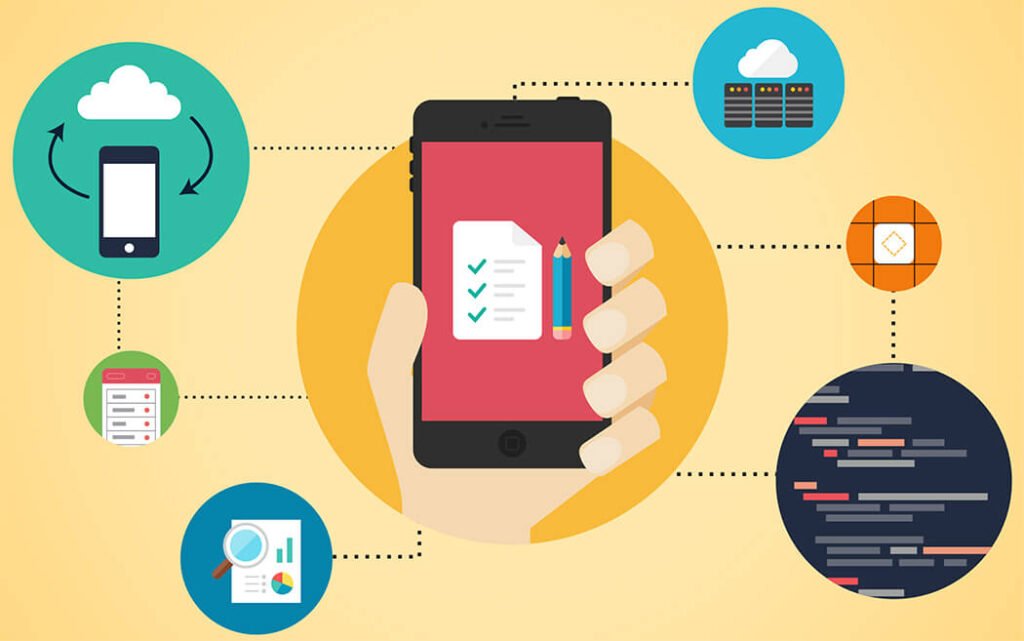
IOS app automation has many benefits – speed of the process, consistency in quality, and higher build reliability than manual testing. This article will explore the ways your company can use automation to ensure that its app is up and running without a hitch.
Table of Contents
What is Automation Testing?
Automation testing is a type of software testing that can be used to improve the quality and reliability of software products. The process of automating tests has many benefits, including increased productivity, reduced costs, and more efficient testers. Automation testing also helps test complex scenarios which can help to avoid bugs.
Benefits of Automation Testing
There are many benefits to test automation. If you want to accelerate your app release cycle, save time and resources by automating your tests. Let’s not forget the most important benefit: a more reliable, secure, and efficient system of testing. Reducing Technical Debt.
Test automation is a very powerful tool for decreasing technical debt, a theory in software engineering that advocates developing code with the least amount of technical debt acquired. Simply put, by writing testable code from the beginning, you will reap the full benefits of TDD.
What are the Costs of Automation Testing
The costs of automation testing can vary depending on the features being tested, but typically range between $15 and $250 per test. Commonly, the initial cost is offset by fewer manual tests that take place during the development process. This can lead to significant cost savings when compared with manual app testing.
How to get started with automation testing on iOS
The first reason to consider automating your app tests is that it saves time, which equals more money. Automation can also help you deliver more reliable software since there is no need for you to be in the app during testing. Next, with automation, you can make sure that your app meets all official requirements and still has a high performance. Automation is a tool that can help you do many things. It can help in the following:
1. It improves testing coverage.
2. It decreases the time spent on testing.
3. It helps you create tests for new features and bug fixes.
4. It can ease the work of ongoing enhancements.
5. It can improve code coverage.
6. It can reduce the number of bugs to less than ten percent.
7. It can help you control the quality of the software.
8. It can prevent bugs from being introduced and will increase your confidence level in the work and product.
9. It will avoid the need to reinstall and reapply all your changes every time that you discover a bug.
10. It can help you avoid the need to do any special programming.
11. It can lead to higher productivity.
12. It can decrease your costs of defects.
13. It can increase your quality level, which will benefit your customers.
14. It can help you avoid the need to do any special programming.
15. It can help you keep your code from evolving into a monstrous mess.
16. It will increase the quality of the software product.
17. It can help with debugging, and it can make your code easier to read.
18. It can allow you to make changes and test them sooner.
19. It avoids the need for a lot of testing time to be spent on documentation.
20. It can easily and quickly be applied to everything from batch files to site-specific source code.
How to troubleshoot an automated test
Automated tests are a great way to improve the speed, efficiency, and quality of your app. For example, you can use them to detect bugs, performance issues, and security vulnerabilities before your users experience them. These tests will also provide you with information about how your app is performing at different times of the day, which will help you optimize it for the best experience possible. This tutorial will walk you through the basics of writing automated tests. You’ll learn how to create test cases and code assertions that verify and confirm the results of your tests. You’ll also learn how to distribute your tests among multiple devices, as well as how to use external tools to test your app.
Conclusion
It’s clear that apps are not just a collection of code, but rather, a living, breathing piece of software that needs to be constantly improved. Automating your app tests with tools like TestCloud is one way to ensure that this always happens. In today’s competitive marketplace it’s important to consider every step you can take to provide the best customer experience possible.