

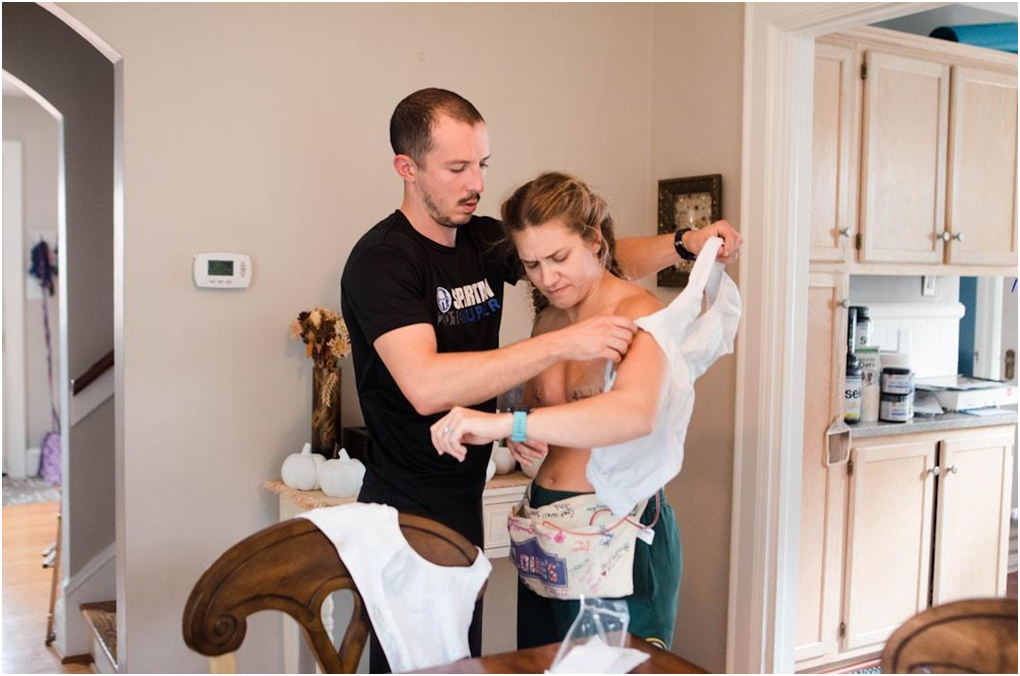
Recovery from breast surgery can present an array of challenges, including physical discomfort, limited mobility, and emotional distress. A recent report by the American Society of Plastic Surgeons indicated that over 100,000 breast reconstructive surgeries were performed in 2020 alone, highlighting the demand for comprehensive postoperative care.
Ensuring a smooth and comfortable recovery is integral for patients’ quality of life, and specialty physical therapy plays a vital role in facilitating this process. Below, we delve into the significance and benefits of dedicated physical therapy interventions for individuals embarking on the post-surgery breast rehabilitation journey.
Table of Contents
Reclaiming Comfort After Surgery
Specialty physical therapy facilitates a more comfortable and efficient recovery process following breast surgery. By addressing specific complications like scar tissue formation and reduced range of motion, therapy can significantly enhance a patient’s comfort levels.
Researchers have found that targeted exercises and manual therapy techniques can improve shoulder mobility and decrease pain in breast surgery patients. These findings underscore the functional benefits of physical therapy in mitigating postoperative discomfort and restriction.
For actionable guidance, healthcare providers often recommend seeking physical therapists who specialize in post-mastectomy care. These professionals have the expertise to design personalized recovery programs that cater to individual needs and goals.
Navigating Post-Surgery Challenges
Recovery from breast surgery extends beyond the physical realm, as patients may face emotional and psychological hurdles. Specialized physical therapy can not only address functional impairments but also support overall well-being.
For example, supervised therapeutic exercises have been shown to boost patients’ self-esteem and body image post-surgery, contributing to a holistic recovery experience. A supportive therapy environment encourages openness and resilience throughout the healing process.
Actionable guidance in this context includes finding therapists trained in psychosocial aspects of rehabilitation. These practitioners can provide the necessary empathy and customized therapeutic interventions, ensuring a comprehensive approach to overcoming post-surgery challenges.
Customized Care Strategies
Each patient’s journey through breast surgery recovery is unique, necessitating tailored care strategies from their physical therapy team. A patient-centric approach allows therapists to adjust treatments based on an individual’s progress and feedback.
Techniques such as lymphedema management, stretching exercises, and gentle strength training are carefully selected to match the stage of recovery and personal limitations of the patient. The adaptability of specialty physical therapy results in more effective and patient-appropriate rehabilitation pathways.
Actionable guidance for patients includes actively participating in the development of their post-surgery care plan. Engaging in open dialogue with their therapist about pain levels, concerns, and recovery expectations can enhance treatment efficacy and alignment with patient needs.
Incorporating Holistic Techniques
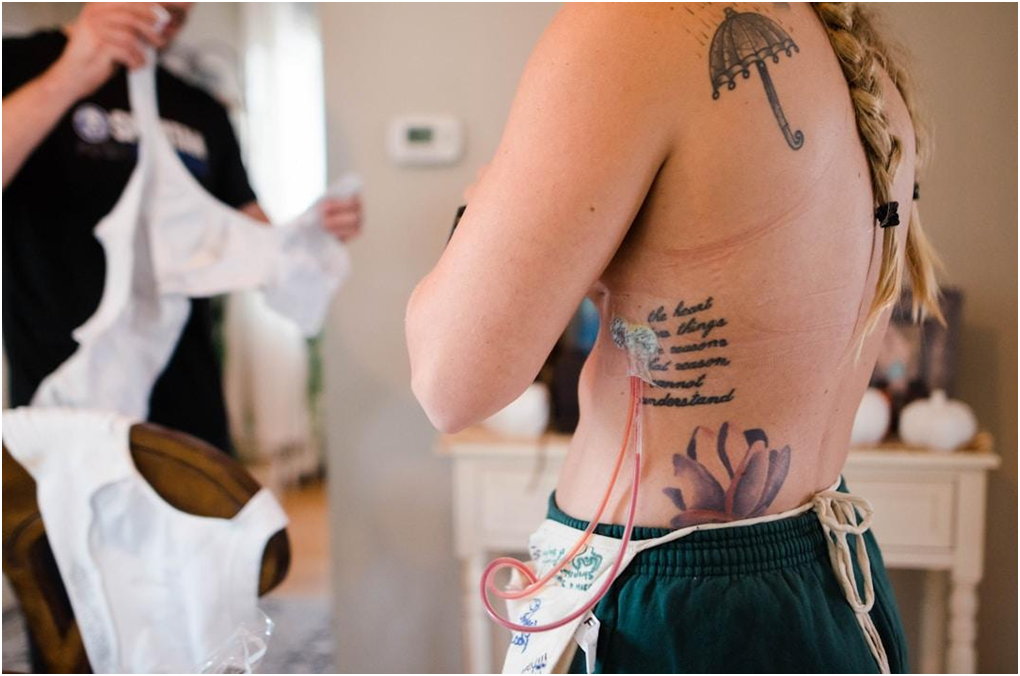
Specialty physical therapy for breast surgery patients increasingly incorporates holistic methods to promote healing. Techniques such as massage therapy, relaxation exercises, and mindfulness can play a pivotal role in alleviating stress and improving overall recovery outcomes.
Studies have shown that integrating mindfulness-based stress reduction into postoperative care can decrease anxiety and enhance the quality of life for breast surgery patients. These holistic practices supplement traditional physical therapy interventions to create a more rounded rehabilitation experience.
Patient guidance here involves exploring therapy providers that offer holistic options within their rehabilitation programs. Incorporating these practices can aid in managing the emotional impact of recovery and provide comfort on a deeper level.
Overall, specialty physical therapy emerges as an essential component in the postoperative recovery of breast surgery patients. Addressing both physical and emotional challenges, it offers personalized, empathetic, and holistic care strategies that profoundly impact patients’ return to functionality and comfort. Engaging with specialized therapists allows for reclaiming a sense of normalcy and well-being after going through such a significant medical procedure.