

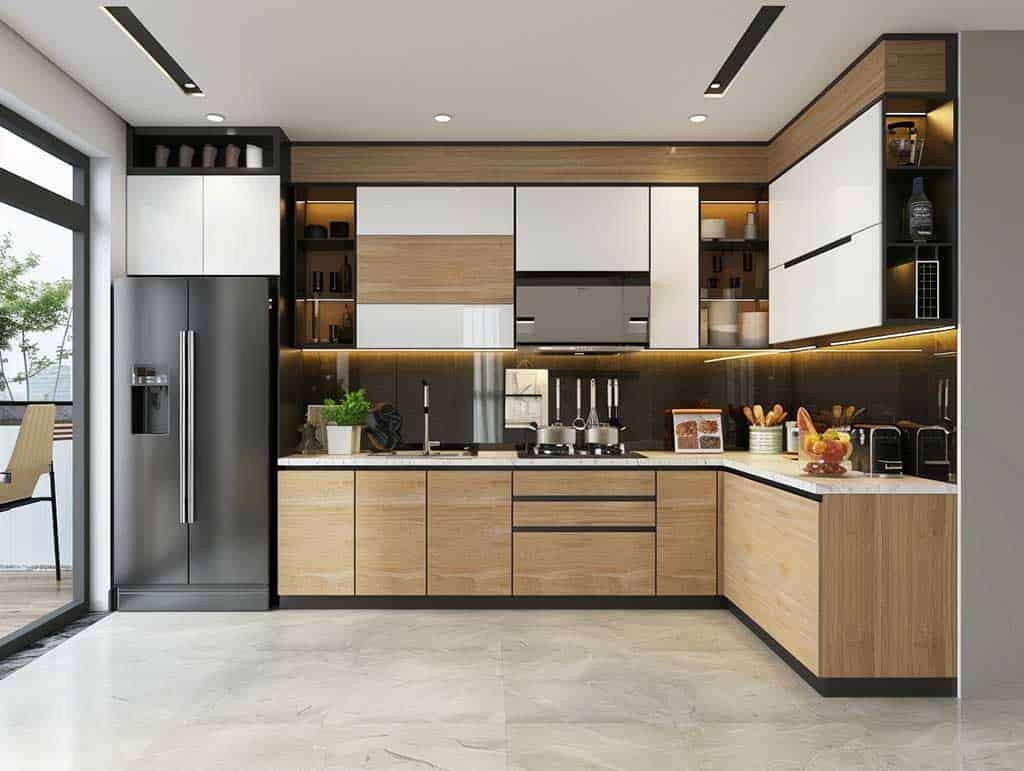
In modern home design, kitchens are no longer just cooking spaces. They are central gathering areas that reflect lifestyle and function. While finishes and materials catch the eye first, the true success of a kitchen depends on thoughtful layout planning that ensures comfort, efficiency, and longevity.
Table of Contents
Understanding the Role of Layout
A well-planned kitchen layout determines how easily people can move between cooking, cleaning, and dining zones. The positioning of appliances, storage, and work surfaces shapes daily routines. Without a functional flow, even the most luxurious finishes cannot make up for poor usability.
Effective layout design considers how tasks are performed. The classic work triangle, connecting the sink, stove, and refrigerator, remains a guiding principle. However, contemporary kitchens often expand this idea to include multiple work zones for different users or activities.
Why Finishes Should Come Second
Finishes such as countertops, flooring, and cabinet surfaces influence aesthetics, but they do not solve challenges related to space and movement. Choosing materials before finalizing the layout can lead to compromises in ergonomics or storage. It is easier to adjust finishes than to redesign a poorly planned floor plan.
When homeowners prioritize layout first, they ensure that every element has a purpose. Space for opening drawers, clearance around an island, and lighting placement all depend on early planning. Once these essentials are defined, finishes can be selected to complement the design rather than dictate it.
Collaboration with Design Professionals
Working with experienced planners and Toronto kitchen designers helps bring structure to creative ideas. Professionals assess how a family uses the kitchen, balancing appearance with functionality. They can recommend efficient configurations that maximize storage and make daily tasks easier.
Designers also understand how to integrate technical aspects, such as ventilation, electrical outlets, and plumbing, into the layout. Addressing these details early avoids costly changes later in the project.
Integrating Smart Storage and Custom Solutions
Storage plays a major role in maintaining a clean and organized kitchen. Well-planned layouts often include tailored cabinetry that fits the space precisely. This is where custom cabinetry becomes essential, offering solutions that standard units cannot provide.
Custom designs can incorporate pull-out drawers, corner fittings, and vertical dividers that make every inch usable. They adapt to the homeowner’s cooking habits, ensuring that frequently used items are always within easy reach.
Adapting Layouts for Modern Living
Contemporary lifestyles emphasize open spaces and multifunctional areas. Kitchens often merge with living or dining rooms, requiring layouts that support both cooking and socializing. Flexible islands, breakfast bars, and hidden storage help maintain visual harmony while enhancing practicality.
Modern layouts also consider technology. Built-in charging stations, smart appliances, and integrated lighting systems all depend on proper spatial planning. A good layout anticipates these needs rather than treating them as afterthoughts.
Balancing Aesthetics and Function
Striking a balance between beauty and function is the hallmark of successful kitchen design. Finishes can always be updated over time, but the layout forms the foundation of the space. When the flow and ergonomics are right, any finish looks better and performs well in daily use.
Ultimately, focusing on layout first ensures a kitchen that serves its purpose gracefully. It supports the people who use it, adapts to changing needs, and remains visually appealing for years, proving that thoughtful planning is the true measure of design success.