

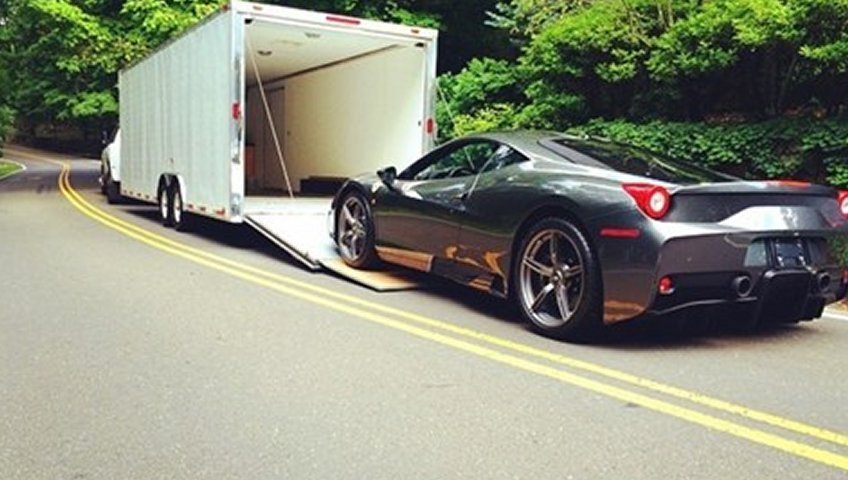
New York City is one of the most requested destinations in the entire auto transport industry. It’s also one of the most complicated. Whether you’re relocating to Manhattan, sending a car to a college student in the Bronx, or moving out of the city after years of paying for parking, shipping a vehicle to or from NYC comes with a specific set of challenges that most transport guides quietly gloss over.
Here’s what the fine print doesn’t cover.
Table of Contents
The City Itself Is the Problem
Most major cities are straightforward for auto transport carriers. A driver pulls up, loads or unloads the vehicle, and moves on. New York City operates differently.
Large car carriers — the multi-vehicle trailers that make long-distance transport cost-effective — are restricted from many streets in the five boroughs. Narrow roads, low bridges, constant traffic, and strict commercial vehicle regulations make it physically impossible for a standard carrier to navigate most of Manhattan or large portions of Brooklyn and Queens.
What this means in practice: your vehicle will likely be delivered to a transfer lot or staging area outside the city, then moved to your final address using a smaller, more maneuverable carrier. This is normal, not a bait-and-switch. But it does affect timing and can add a day or two to your delivery window.
If a carrier promises seamless door-to-door delivery directly to a Manhattan address without mentioning any of this, that’s worth clarifying before you book.
Parking Is Part of the Logistics
When a carrier delivers your vehicle, they need somewhere to stop. In suburban areas, that’s a driveway or empty parking lot. In New York City, it’s a genuine logistical question.
Delivery drivers will do their best, but you should be prepared to meet them at a location that works — often a nearby parking garage, a wider side street, or a designated loading zone. Arranging this in advance saves significant hassle. If you’re in a high-rise with a loading dock, let the carrier know ahead of time. If you’re in a neighborhood with street cleaning schedules or permit parking, check those before confirming a delivery window.
This isn’t unique to auto transport — it’s just New York.
Seasonal Timing Changes Everything
NYC shipping demand spikes at predictable times: late spring when snowbirds return north, late summer when students head to schools in and around the city, and again in fall when they head back home. Holiday weekends create additional bottlenecks.
Booking during peak windows means higher prices and longer lead times. If your move has any flexibility, even shifting your ship date by two weeks can result in meaningfully better pricing and faster pickup. The carriers covering the New York corridor are heavily booked during these periods, and last-minute requests often get bumped.
Routes like Florida to New York are among the busiest in the country precisely because of snowbird migration patterns — and anyone shipping along that corridor during March or April should book as early as possible.
The Bridge and Tunnel Reality
Most carriers entering or leaving the city cross via the George Washington Bridge, the Verrazano-Narrows, or one of the tunnels into New Jersey. Tolls on commercial vehicles are substantial and vary by axle count and weight. Reputable carriers factor this into their pricing — but it’s worth confirming how tolls are handled when you get a quote. Some carriers list base rates that don’t include commercial toll costs, which can create unexpected charges at delivery.
What “Terminal Shipping” Actually Means
Some carriers offer a lower-cost option called terminal-to-terminal shipping, where you drop your vehicle at a designated lot and pick it up from another lot near the destination. In most cities, this is a reasonable trade-off for a lower price.
In the New York metro area, “terminal” often means a lot in New Jersey — across the Hudson from where you actually need the car. If you’re relying on public transit to reach a pickup lot in Newark or Elizabeth, factor that into your planning. For many people, the cost savings aren’t worth the inconvenience.
What to Look for in a Carrier
Not every auto transport company handles NYC routes well. The ones that do have established relationships with transfer lot operators, experience navigating city regulations, and clear communication about the two-step delivery process.
When evaluating options, ask specifically how they handle the final mile within the five boroughs. Ask whether there’s a transfer lot involved and where it’s located. A carrier that can answer those questions directly — without hedging — has probably done this before.
Mile Auto Transport operates nationwide door-to-door service and regularly handles pickups and deliveries in the New York metro area, including coordination for the specific logistics that city routes require.
The Honest Version of How It Goes
Shipping a car to or from New York City is completely doable. Millions of vehicles move through this market every year without incident. But it benefits from a little more planning than a standard suburban shipment.
Know that large carriers can’t access most city streets. Confirm the delivery process before you book. Be flexible about where the handoff happens, and if your schedule allows, avoid peak booking periods.
New York has a way of complicating things that seem simple elsewhere. Auto transport is no exception — but once you know what to expect, there are no real surprises.