

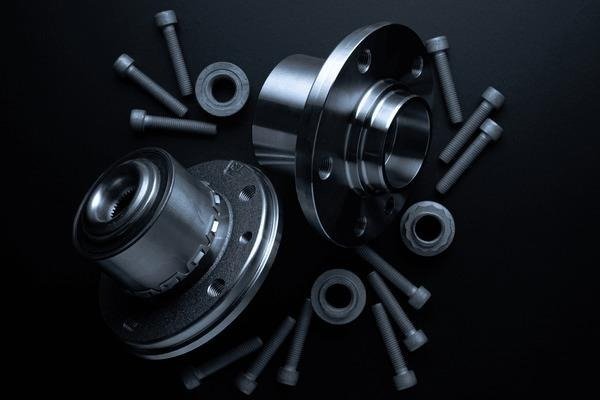
Using non-genuine car parts puts your safety at risk because these parts are not built or tested to meet manufacturer standards. They may fit your vehicle but fail under pressure, wear out faster, and cause damage that costs far more than the original savings.
When you buy from a trusted source like Honda DreamShop, you get parts that are certified, tested, and designed for your exact model. Choosing the wrong parts is not just a financial mistake — it is a safety one.
Table of Contents
Why Drivers Still Choose Non-Genuine Parts
Many drivers pick non-genuine parts without fully understanding what they are giving up. The lower price tag is appealing, but the trade-off is rarely worth it.
- Lower upfront purchase cost.
- Easy availability through online marketplaces.
- Assumption that all parts perform the same way.
- Limited awareness of safety and certification standards.
The Real Risks You Face
Non-genuine parts create problems that go beyond poor performance. They can affect your vehicle, your warranty, and your safety in ways that are not always immediately visible.
They Can Fail Without Warning
Non-genuine parts are rarely tested under real driving conditions. A brake pad or suspension component may wear out far faster than expected. This creates a sudden failure risk with very little warning.
They Can Damage Other Components
Poor-quality parts cause wear on the components around them. A fake oil filter may allow contaminants to pass through and damage your engine over time. One bad part can trigger a chain of costly repairs.
They May Void Your Warranty
Most manufacturers require genuine parts for warranty coverage to stay valid. Installing non-genuine parts could void your warranty completely. Any future repair costs would then fall entirely on you.
Genuine vs. Non-Genuine: A Quick Comparison
Understanding the difference helps you make a smarter decision at the point of purchase. The numbers may favor non-genuine parts upfront, but the full picture looks very different.
| Factor | Genuine Parts | Non-Genuine Parts |
| Safety testing | Certified and tested | Rarely tested |
| Fit and compatibility | Exact match | Often imprecise |
| Lifespan | Longer | Shorter |
| Warranty impact | Protected | May void warranty |
| Long-term cost | Lower | Often higher |
Steps to Protect Yourself
Taking a few simple steps before any repair can save you from serious problems later. These apply whether you are buying parts yourself or leaving it to a mechanic.
- Verify the source before purchasing any replacement part.
- Check for certification marks and manufacturer approval on packaging.
- Ask your mechanic to confirm the part is genuine before installation.
- Keep receipts and documentation for every part used on your vehicle.
- Report suspicious sellers to consumer protection authorities if needed.
Key Takeaways
- Non-genuine parts fail to meet the safety and quality standards set by manufacturers.
- They can cause unexpected breakdowns and damage to surrounding vehicle components.
- Using them may void your vehicle warranty, leaving you liable for all repair costs.
- The upfront savings rarely outweigh the long-term repair and safety expenses.
- Always verify the source and certification of any part before installation.
- Genuine parts are designed to fit your exact vehicle and last significantly longer.