

Most drivers expect their vehicles to shift smoothly and respond quickly when they press the accelerator. When a car suddenly hesitates, slips between gears, or struggles to pick up speed, it can turn a routine drive into a stressful experience. While an occasional rough shift may not always point to a major issue, recurring transmission problems should never be ignored.
For drivers looking for trusted guidance after repeated vehicle problems, understanding what causes transmission defects and how to document them can make a significant difference. Knowing what to watch for also helps owners communicate more effectively with repair technicians and make informed decisions if the issue continues.
Table of Contents
Common Signs of a Slipping Transmission
Transmission slipping does not always look the same from one vehicle to another. Some drivers notice the engine revving higher than normal without a matching increase in speed. Others experience delayed acceleration, sudden gear changes, or hesitation when pulling away from a stop.
Additional warning signs may include:
- Hard or rough gear changes
- Shaking or jerking during acceleration
- A brief loss of power
- Grinding or whining noises
- A burning smell coming from the vehicle
- Unexpected increases in engine RPM
These symptoms may appear only once at first, but when they become more frequent, they often point to an underlying problem that deserves professional attention.
Why Transmission Problems Can Return
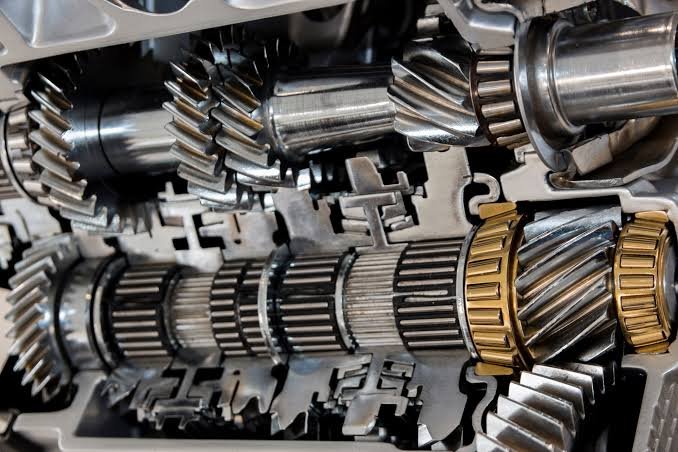
Modern transmissions are highly advanced systems made up of mechanical parts, hydraulic components, sensors, and computer controls. Because so many systems work together, identifying the exact cause of a recurring problem is not always simple. Some common reasons for repeated transmission issues include:
- Low or contaminated transmission fluid
- Worn clutch components
- Damaged gears
- Faulty shift solenoids
- Torque converter problems
- Electronic control module issues
- Software calibration errors
Sometimes replacing a single part solves the problem. In other cases, the issue may return because the original cause was not correctly identified. Electronic faults can also mimic mechanical failures, making diagnosis more challenging.
When Transmission Problems Become Safety Risks
A transmission problem is more than an inconvenience. It can also affect driver safety. Imagine trying to merge onto a busy highway when your vehicle hesitates instead of accelerating. Or picture crossing an intersection when the transmission unexpectedly shifts gears and causes a sudden loss of power. These situations reduce a driver’s ability to react to traffic and may increase the risk of an accident.
Even if the vehicle remains drivable, recurring hesitation or slipping should not be dismissed. Small issues often become larger and more expensive if they continue without proper diagnosis.
Keep Detailed Service Records
One of the smartest things a vehicle owner can do is maintain organized repair records. Every service visit creates documentation that may help identify recurring problems over time. Important records include:
- Repair invoices
- Service orders
- Diagnostic reports
- Warranty paperwork
- Communications with dealerships or repair shops
Pay close attention to how technicians describe the reported issue. If the transmission slips between gears or loses power during acceleration, make sure those details are accurately reflected in the repair order.
Accurate records create a timeline that shows when symptoms began, how often they occurred, and what repairs have already been attempted.
What to Do if the Same Problem Returns
It can be frustrating to leave a repair shop believing the problem has been fixed, only to experience the same symptoms days or weeks later.
If the transmission continues to slip or hesitate after repairs, return to the repair facility as soon as possible. Reporting recurring problems immediately creates additional documentation and gives technicians another opportunity to diagnose the issue. When describing the problem, include as many details as possible, such as:
- Vehicle speed
- Engine temperature
- Road conditions
- Whether warning lights appeared
- Which gear the vehicle was in
- Whether the issue happened during acceleration or deceleration
The more information technicians receive, the easier it becomes to reproduce an intermittent problem.
Check for Safety Recalls
Some transmission defects affect large numbers of vehicles from the same manufacturer. Manufacturers occasionally issue recalls after discovering safety-related defects that could affect vehicle performance. Checking for recalls is a simple step that every vehicle owner should take when recurring transmission problems appear.
The National Highway Traffic Safety Administration’s vehicle recall database allows drivers to search by Vehicle Identification Number (VIN) to see whether their vehicle has any open safety recalls. Even if no recall exists, maintaining repair records remains important if problems continue.
Understand Your Warranty Coverage
Many newer vehicles include manufacturer warranties that cover transmission and drivetrain repairs for a certain number of years or miles. However, warranty terms differ from one manufacturer to another. Reading the warranty booklet carefully is the best way to understand what repairs may be covered.
Even when technicians cannot duplicate an intermittent transmission problem during every visit, documenting the complaint while the vehicle remains under warranty can become valuable later. Repair history often shows when the issue first appeared and whether it continued over multiple service visits.
When Repeated Repairs Raise Consumer Questions
Not every transmission repair means there is a manufacturing defect. Vehicles contain thousands of moving parts, and occasional repairs are a normal part of ownership. However, repeated failures involving the same major system may raise important consumer protection questions.
Depending on applicable laws, several factors may be considered, including:
- Warranty coverage
- Number of repair attempts
- Length of time the vehicle has been out of service
- Whether the defect substantially affects safety, value, or use
Learning about these protections can help vehicle owners better understand their available options if repairs continue without resolving the problem.
Look Beyond Dashboard Warning Lights
Many drivers rely heavily on dashboard warning lights, but transmission problems do not always trigger one. Instead, pay attention to changes in how the vehicle behaves. Delayed acceleration, inconsistent shifting, sudden increases in engine speed, or unusual vibrations often provide valuable clues long before a warning light appears.
Keeping a simple notebook or using a smartphone to record when symptoms occur can help identify patterns. For example, the transmission may only slip after the vehicle has warmed up or during highway driving. These observations often make diagnosis much easier for technicians.
Prevent Bigger Repairs Through Early Action
Ignoring transmission problems rarely makes them disappear. In many cases, continued driving with a slipping transmission increases wear on internal components and may lead to more expensive repairs.
Early inspections may identify issues before they become major failures. Routine maintenance, including checking transmission fluid according to the manufacturer’s recommendations, also helps reduce the risk of avoidable damage.
Drivers should never assume that a temporary improvement means the problem has been permanently fixed. Monitoring performance after every repair remains important.
Final Thoughts
Recurring transmission problems can affect a vehicle’s reliability, safety, resale value, and overall ownership experience. While a single rough shift may not always signal a serious defect, repeated slipping, hesitation, delayed acceleration, or unexpected gear changes deserve prompt attention.
Keeping accurate repair records, describing symptoms clearly, checking warranty coverage, reviewing recall information, and monitoring recurring patterns all help build a clearer picture of what is happening. Acting early not only improves the chances of an accurate diagnosis but may also prevent more costly repairs in the future.
When a transmission problem keeps returning despite multiple repair attempts, staying informed and maintaining detailed documentation gives vehicle owners the best opportunity to protect both their investment and their peace of mind.