

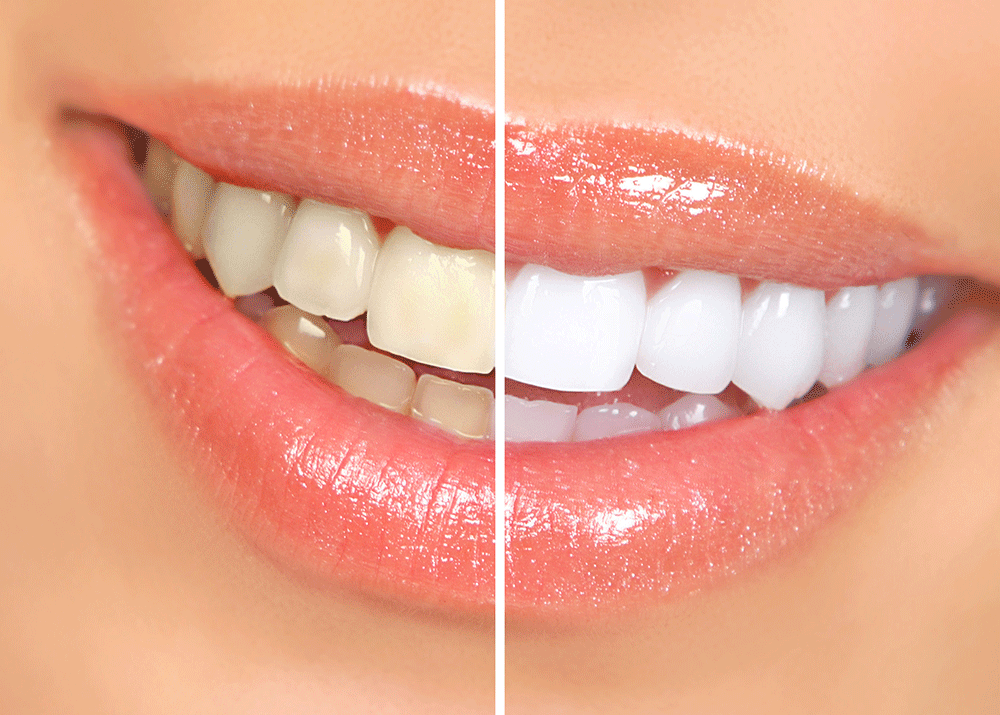
You might be looking in the mirror, noticing that your teeth are not as bright as they used to be, and feeling a mix of frustration and self‑consciousness. Maybe you have tried whitening toothpaste, strips from the drugstore, or even a social media “hack,” and the results were uneven, short-lived, or just disappointing. At the same time, you see photos of bright, white smiles everywhere and wonder if you are falling behind. A professional dentist in Woburn, MA can help you achieve a brighter, more confident smile.
Because of this tension, it is easy to feel pressured. You want to feel confident when you smile, yet you do not want to damage your teeth or waste money on treatments that do not work. That is where the growing popularity of teeth whitening in cosmetic dentistry becomes both a comfort and a concern. The comfort is that there are more options than ever. The concern is knowing which of them are safe and truly right for you.
In simple terms, here is the big picture. Teeth whitening can be a safe and effective part of general, cosmetic, and restorative dentistry. Professional care can brighten your smile, support your overall oral health, and help you feel more at ease in social and work settings. At the same time, overuse or poorly chosen products can lead to sensitivity, gum irritation, and unrealistic expectations. The goal is not a blinding shade of white, but a healthy, natural smile that fits your face and your life.
Table of Contents
Why has teeth whitening become so popular, and what does that mean for you?
Over the last decade, whitening has shifted from a “special occasion” treatment before weddings or reunions into something many people see as routine maintenance. Photos, video calls, and social media filters have raised the bar for what people think a “normal” smile should look like. Because of this, you may feel that your natural tooth color is somehow not good enough, even if your teeth are healthy.
On top of this pressure, the market is flooded with products that promise fast, dramatic results. LED lights, pens, foams, powders, trays, and strips are advertised as if they are all the same as professional care, only cheaper. It can leave you wondering whether to trust the dentist’s chair or the drugstore shelf.
So, where does that leave you? Likely stuck between wanting change and fearing the risks. The American Dental Association has raised concerns about the risks of frequent teeth whitening, especially when people repeat treatments without guidance. That alone can be enough to make you pause.
What are the real problems people face with whitening today?
The problems usually fall into three categories. Physical discomfort, emotional pressure, and financial waste.
On the physical side, using strong whitening agents too often can cause sensitivity to hot and cold, irritation of the gums, and sometimes uneven color. If there are hidden issues such as cavities, cracks, or worn enamel, bleaching can make those problems more noticeable or more uncomfortable. That is one reason dentists recommend a checkup before any whitening treatment.
Emotionally, it is easy to chase a shade that does not exist in nature. You might compare your smile to filtered photos or veneers and feel that you are never quite white enough. This can lead to repeated treatments and a cycle of dissatisfaction. Instead of feeling more confident, you may become more critical of your appearance.
Financially, people often spend small amounts again and again on over the counter products that give only short term or patchy results. In the end, the total may be higher than a carefully planned professional treatment that is safer and more predictable. Experts in cosmetic dentistry consistently stress the importance of choosing methods that are supported by research, not just marketing. You can see this in how dental professionals weigh in on teeth whitening options and emphasize realistic outcomes.
Because of these challenges, many people are turning to professional teeth bleaching treatments offered by dentists who also consider your overall oral health. That is where general, cosmetic, and restorative dentistry come together. Whitening is not treated as a quick fix, but as one part of a plan to keep your mouth healthy and your smile natural.
How do DIY and professional whitening really compare?
When you are deciding what to do next, it helps to see the differences laid out in a simple way. The table below compares common at‑home products with supervised treatment from a dentist.
| Aspect | Over the Counter / DIY Whitening | Professional Whitening with a Dentist |
|---|---|---|
| Strength of whitening agent | Lower concentration. Often needs many applications for modest change. | Higher, controlled concentration for more noticeable results in less time. |
| Fit and application | Generic strips or trays. Gel can touch gums and soft tissues more easily. | Custom trays or in‑office isolation. Gel stays mainly on teeth. |
| Safety checks | No exam. Underlying issues such as decay or cracks may be missed. | Exam and cleaning first. Problems are treated before whitening starts. |
| Comfort and sensitivity | Higher chance of sensitivity if overused or misused. | Products and timing adjusted to your sensitivity level. |
| Cost pattern | Lower upfront cost, but repeated purchases can add up. | Higher upfront cost, often with longer lasting and more even results. |
| Suitability for complex cases | Limited. Does not address discoloration from trauma, medication, or restorations. | Can be combined with bonding, veneers, or crowns as part of cosmetic dental treatment. |
| Guidance and support | Instructions on the box. No personal follow up. | Personalized plan, follow up, and adjustments as needed. |
Dental centers that focus on both health and appearance tend to favor supervised whitening for these reasons. For example, the University of California San Francisco describes how professional teeth whitening services are tailored to the patient, with an exam, cleaning, and choices between in‑office and take home options. The emphasis is on safety, predictability, and realistic expectations.
What are the smartest steps you can take right now?
When you feel pulled between wanting change and fearing regret, it helps to move in small, clear steps rather than rushing into a product or procedure.
1. Start with a dental checkup before any whitening
Before you put any bleaching agent on your teeth, schedule a full exam and cleaning with a dentist who provides general, cosmetic, and restorative dentistry. Explain that you are interested in whitening and want to understand what is safe for your mouth.
During this visit, ask about cavities, gum health, existing fillings or crowns, and any signs of enamel wear. Whitening on top of untreated problems can increase discomfort and may even highlight flaws. A good dentist will tell you whether whitening is appropriate now or whether other care should come first.
2. Decide what “white enough” looks like for you
Instead of aiming for the brightest shade you have ever seen, think about a natural, healthy color that fits your skin tone and age. Talk with your dentist about shade guides and photos. Ask what is realistic for your specific teeth, especially if you have deep stains from medication or previous trauma.
This simple step can protect you from chasing endless treatments. When you and your dentist agree on a goal, you can measure progress against that, not against filtered images. This mindset helps you use whitening as a tool within cosmetic dentistry services, not as a constant project.
3. Protect your results with daily habits
Whitening is not a one time fix. Your daily habits will either support or shorten your results. After treatment, focus on gentle but thorough brushing, regular flossing, and routine professional cleanings. Try to limit frequent sipping of coffee, tea, red wine, and dark sodas. If you do enjoy them, rinse with water afterward.
Also, avoid jumping straight into new whitening products on your own when you notice slight darkening again. Instead, check in with your dentist. A short touch up under guidance is usually safer than starting a new product without a plan.
Moving forward with clarity and confidence
You do not have to choose between a dull smile and risky shortcuts. The growing popularity of teeth whitening in cosmetic dentistry simply means you have more choices, which can be empowering if you pair them with good information and trusted guidance.
With a thoughtful exam, a realistic goal, and a plan that fits your mouth and your life, whitening can support both your confidence and your oral health. You deserve to smile without second guessing your reflection or worrying about hidden damage.
When you are ready, reach out to a dentist who offers general, cosmetic, and restorative dentistry, ask your questions openly, and decide together what makes sense for you. Your next step does not need to be dramatic. It just needs to be informed and kind to your teeth.