

Oral health should not depend on your income, zip code, or background. Yet many people live with tooth pain, infection, and missing teeth because care feels out of reach. Preventive dentistry changes that pattern. It focuses on stopping problems early, before they grow into infections or tooth loss that can affect eating, speaking, and work. Simple steps like cleanings, fluoride, sealants, and honest advice create a shield for your mouth. They also lower costs and stress over time. Every checkup is a chance to catch disease early and support healthy habits at home. A dentist in Schaumburg who offers preventive care can help close the gap between those who get treatment and those who go without. This blog explains how preventive dentistry reduces oral health inequalities and what you can do today to protect your teeth, your dignity, and your daily life.
Table of Contents
Unequal mouths, unequal chances
Tooth decay is the most common chronic disease in children. You see higher rates of cavities and gum disease in communities with low income, crowded housing, and limited access to care. You also see more tooth loss in older adults, people with disabilities, and people of color.
These gaps are not about personal failure. They come from three hard truths.
- Care costs money that many families do not have.
- Clinics are far away from many rural and urban neighborhoods.
- Past bad experiences cause fear and mistrust.
Yet the science is clear. When you use preventive care early and often, you cut the risk of pain, infection, and tooth loss. The Centers for Disease Control and Prevention explains that community water fluoridation reduces tooth decay in children and adults by about 25 percent.
What preventive dentistry includes
Preventive dentistry is simple. It focuses on three types of action.
- Care at home
- Care in the dental office
- Care in the community
At home you brush with fluoride toothpaste twice a day. You clean between teeth. You drink water instead of sugary drinks. You avoid tobacco. These steps slow decay and gum disease.
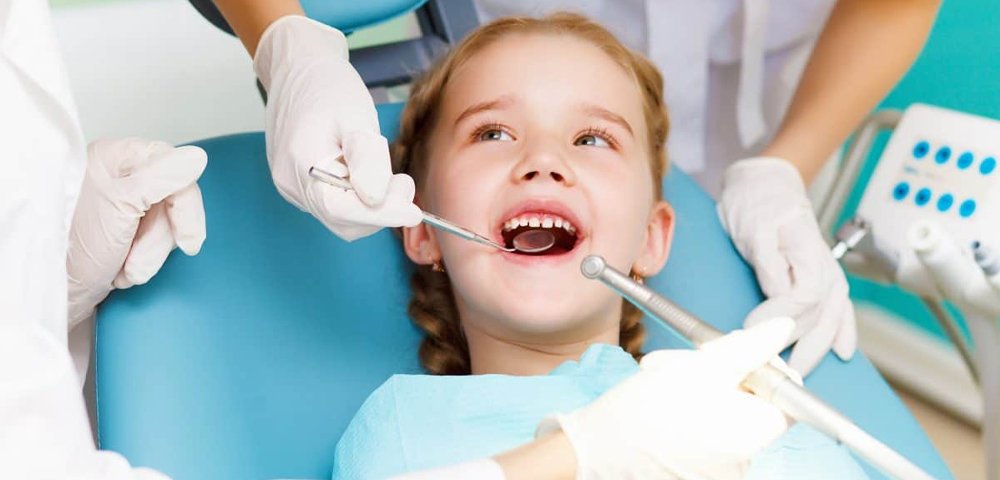
In the office you get regular exams, cleanings, X rays when needed, fluoride varnish, and sealants on back teeth. You also get clear guidance about risks and daily habits. You can find plain language tips from the National Institute of Dental and Craniofacial Research.
In the community you may have fluoridated tap water, school based sealant programs, and mobile clinics. These services reach children and adults who would not see a dentist on their own.
How prevention reduces inequalities
Preventive care protects everyone. Yet it helps people with fewer resources even more. It does three key things.
- It stops disease before it needs costly treatment.
- It reduces missed school and work days.
- It protects speech, nutrition, and confidence.
When you stop decay early, you avoid root canals, extractions, and dentures. That matters when money is tight. Fluoride, sealants, and early fillings cost less than emergency care in a hospital or repeated visits for pain.
Children with healthy teeth miss fewer school days. Adults with healthy teeth miss fewer work hours. This protects income and school progress. It also supports mental health. You are more willing to speak, smile, and seek jobs when you trust your teeth.
Comparing treatment and prevention
You often hear that prevention saves money. The chart below shows how cost and impact differ between common preventive services and later treatment. These are simple examples. Actual costs vary by location.
| Service type | Example | Typical timing | Relative cost | Effect on pain and function |
|---|---|---|---|---|
| Preventive | Fluoride varnish for a child | Once or twice a year | Low | Reduces risk of decay. Keeps chewing and speech normal. |
| Preventive | Sealant on a permanent molar | When the tooth first erupts | Low to moderate | Blocks food and germs. Prevents deep cavities. |
| Preventive | Routine cleaning and exam | Every 6 to 12 months | Moderate | Catches disease early. Limits gum problems. |
| Treatment | Filling for a large cavity | After decay causes pain | Moderate to high | Stops pain. Tooth may still be weak. |
| Treatment | Root canal and crown | After deep infection | High | Relieves severe pain. Restores function at high cost. |
| Treatment | Extraction and denture | After tooth cannot be saved | High and ongoing | Removes pain. Chewing and speech may still suffer. |
Reaching families who are left out
You can reduce oral health gaps when you remove barriers to preventive care. That means three things.
- Bring services closer.
- Lower the cost.
- Build trust.
Schools, Head Start sites, and community centers can host dental teams for screenings, sealants, and fluoride. Mobile units can visit rural towns and shelters. Telehealth can support quick checks and follow up.
Public insurance programs and community health centers can cover preventive visits with no out of pocket cost. Sliding fee scales can help families without insurance. Offices can offer evening and weekend hours so you do not lose wages to get care.
Trust grows when staff listen and respect culture and language. It grows when you get clear, honest answers without blame. It grows when your pain is taken seriously.
What you can do now
You cannot fix every barrier alone. Yet you can take three direct steps today.
- Schedule a preventive visit for yourself and your children.
- Use fluoride toothpaste twice a day and limit sugary drinks.
- Ask your school or community center about dental programs.
If you already have a regular dentist, talk about your risk for cavities and gum disease. Ask what schedule of cleanings and X rays makes sense for you. If you do not have a dentist, look for community health centers, dental schools, or public health clinics that offer low cost or no cost preventive care.
Preventive dentistry is not a luxury. It is a basic tool for fairness. When every person can protect their teeth before disease starts, you see fewer painful nights, fewer missed classes, and fewer lost jobs. You also see something harder to measure. You see more calm, more confidence, and more steady lives.