

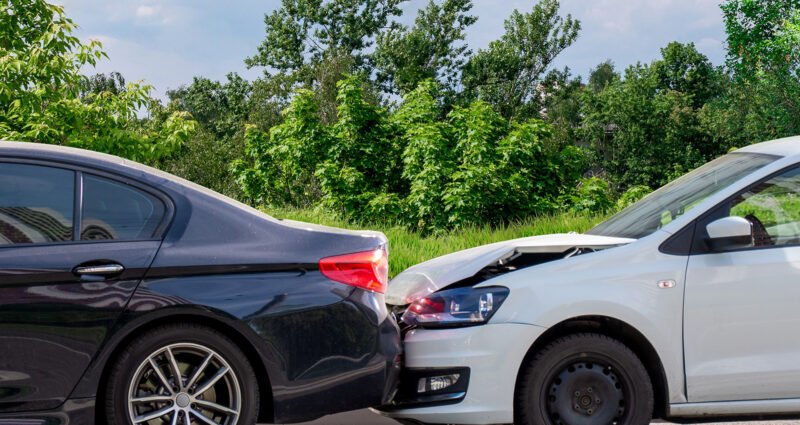
Across New Jersey, car accidents have a lasting impact on families, individuals, and communities. In Newark, where traffic congestion, complex roadways, and changing weather are part of daily life, being aware of the common causes of car accidents is essential. Newark residents are encouraged not only to educate themselves but also to seek experienced support, such as a Newark car accident attorney, if they are affected by a collision. Local prevention efforts and smart driving strategies are essential to make city streets safer for everyone.
Traffic incidents in Essex County frequently mirror national trends but are often intensified by the region’s high population density and constant flow of commuters. Newark’s unique combination of city and suburban neighborhoods means drivers face diverse conditions and hazards. Understanding why accidents occur and what drivers can do about them is critical to reducing injuries on Newark streets.
Table of Contents
Distracted Driving
Distracted driving is a persistent threat on Newark’s busy streets. Whether it is texting at a red light near Broad Street or grabbing breakfast to-go during a morning commute, simple distractions can quickly turn dangerous. The National Highway Traffic Safety Administration reports that more than 3,000 people die annually in distracted driving incidents in the United States. Newark drivers should:
- Keep phones and electronic devices out of reach or use hands-free options.
- Set up routes and playlists before pulling out onto local roads.
- Minimize tasks behind the wheel and devote full attention to traffic.
Speeding
Speeding through Newark’s urban intersections and highways, like I-280 or the Garden State Parkway, dramatically heightens the risk of severe crashes. Excess speed reduces each driver’s reaction time, particularly dangerous near residential neighborhoods and school zones, which are common in the city. Following New Jersey’s posted speed limits and driving cautiously in bad weather or heavy traffic can help to protect lives. Drivers are advised to allow for longer travel times to avoid feeling rushed.
Driving Under the Influence
The risks associated with alcohol or drug-impaired driving are well documented. In New Jersey, legal consequences are severe, and the community impact is especially devastating. Whether returning from concerts at the Prudential Center or local celebrations, Newark drivers must arrange for sober transportation if they plan to consume alcohol. Consider options such as NJ Transit or rideshare services, and remain cautious about how some medications might impair your ability to drive safely. It is essential to talk openly with friends and family about the dangers of impaired driving and to prevent them from getting behind the wheel if they are not fit to drive. Additional guidance and support resources can be found through organizations like Mothers Against Drunk Driving (MADD).
Reckless Driving
In Newark, aggressive maneuvers such as illegal passing, running red lights, and excessive lane changes are too-frequent occurrences, especially during rush hour. Reckless driving puts everyone at risk. Basic steps to prevent accidents include obeying all traffic signs, using turn signals consistently, and giving other vehicles adequate space. Patience and courtesy, even in dense areas like downtown or Ironbound, are key to a safer commute.
Adverse Weather Conditions
Newark’s unpredictable weather, from snowstorms to summer downpours, frequently reduces visibility and causes slick roads. Rain and ice make busy corridors like McCarter Highway particularly hazardous. During inclement weather, reduce your speed, use headlights correctly, and avoid sudden braking or sharp turns. Proactive vehicle care, such as working wipers and treaded tires, is essential for safely navigating North Jersey’s climate.
Vehicle Malfunctions
Mechanical failures are a major cause of accidents statewide and can be prevented with routine maintenance. In Newark, potholes and rough streets further increase strain on brakes, suspension, and tires. Schedule regular service appointments, check tire condition frequently, and pay close attention to dashboard warning lights. Catching and correcting minor issues early can help prevent dangerous outcomes later.
Poor Road Conditions
Newark experiences its share of deteriorating road surfaces, misleading signage, and ongoing construction. These conditions can surprise even seasoned drivers and cause loss of control or collisions. Stay alert, especially around new construction zones or detours. When noticing hazardous road sections, report them to Newark’s city services. Adjust driving habits to allow for sudden stops or lane shifts caused by uneven pavement or debris.
Driver Fatigue
Long commutes and multiple jobs often leave Newark drivers feeling exhausted. Fatigue slows reaction times and impairs judgment as much as intoxication. Restful sleep before embarking on lengthy drives, regular breaks on the highway, and pulling over at the first signs of drowsiness are crucial for safety. If you often drive early in the morning or late at night, be especially cautious and consider sharing driving responsibilities on longer trips.
Conclusion
Newark residents face unique challenges due to heavy traffic, diverse weather, and complex urban infrastructure. By learning from the primary causes of car accidents and practicing preventive safety measures, Newark drivers can keep themselves, their families, and their neighbors safer. Obey the rules of the road, maintain your vehicle, and remain alert behind the wheel. Safety on city streets starts with every driver making informed and responsible choices.