

Table of Contents
The Hidden Danger: Why Thyroid Cancer Deserves Your Attention
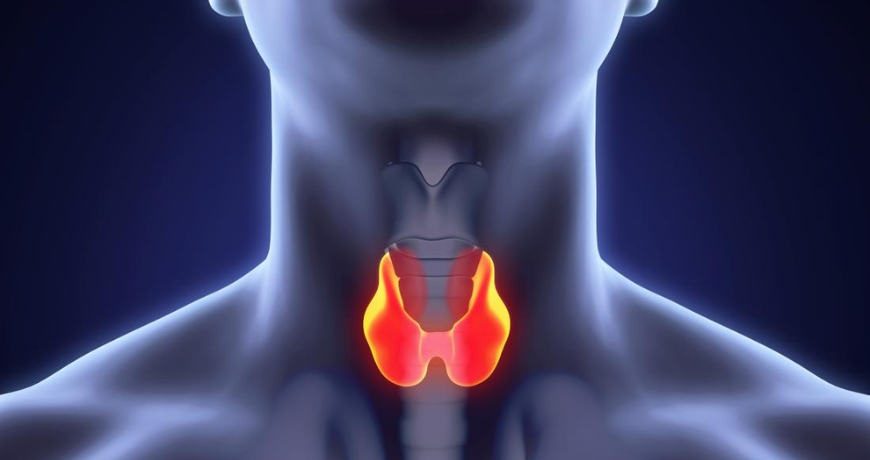
Thyroid cancer is a growing health concern that often develops silently, making early detection crucial. The thyroid gland, a small butterfly-shaped organ located in the neck, plays a vital role in regulating metabolism, heart rate, and energy levels. While many thyroid nodules are benign, some turn cancerous, requiring immediate medical attention. The good news? Thyroid cancer is one of the most treatable forms of cancer when detected early.
Thyroid Cancer in Singapore: The Rising Numbers
- Thyroid cancer is the 8th most common cancer in women in Singapore, with cases steadily rising over the years.
- Studies show an increase in the age-standardised incidence rate from 2.5 to 5.6 per 100,000 individuals from 1974 to 2013.
- Despite the increase, survival rates remain high, with a five-year survival rate exceeding 90% when treated promptly.
Different Types of Thyroid Cancer
Understanding the various types of thyroid cancer can help in recognising their severity and treatment options:
- Papillary Thyroid Cancer (PTC): The most common form, making up nearly 75% of all cases. It progresses slowly and has a high survival rate.
- Follicular Thyroid Cancer (FTC): Represents 10-15% of cases and can spread to distant organs like the lungs or bones.
- Medullary Thyroid Cancer (MTC): A rarer form that originates from C cells and accounts for around 5% of cases. It may be linked to genetic mutations.
- Anaplastic Thyroid Cancer (ATC): The least common but most aggressive, comprising only 1-2% of cases, with rapid growth and a poor prognosis.
Symptoms to Watch Out For
In its early stages, thyroid cancer may not present noticeable symptoms. However, as the disease progresses, warning signs may include:
- A painless lump or swelling in the neck
- Hoarseness or changes in voice
- Difficulty swallowing or breathing
- Persistent neck or throat pain
- Swollen lymph nodes in the neck region
If you experience any of these symptoms, seeking medical advice is essential. Many cases are diagnosed incidentally during routine health screenings or imaging tests.
Key Risk Factors for Thyroid Cancer
Several factors may increase the risk of developing thyroid cancer, including:
- Gender and Age: Women are nearly three times more likely to develop thyroid cancer than men. It is most common between the ages of 25 and 65.
- Radiation Exposure: Previous radiation therapy to the head, neck, or chest increases the risk.
- Family History: Those with a family history of thyroid cancer or genetic conditions like multiple endocrine neoplasia (MEN) have a higher risk.
- Iodine Deficiency or Excess: Both low and high iodine levels can impact thyroid function and increase susceptibility.
- Obesity: Studies suggest a link between higher body weight and an increased risk of thyroid cancer.
Diagnosis: How Thyroid Cancer is Detected
If thyroid cancer is suspected, doctors may perform the following diagnostic tests:
- Ultrasound Scan: Identifies nodules and determines their characteristics.
- Fine Needle Aspiration Biopsy (FNAB): Extracts cells for microscopic analysis to confirm malignancy.
- Blood Tests: Measures thyroid hormone levels and tumour markers like calcitonin in cases of MTC.
- Radioactive Iodine Scan or PET Scan: Helps detect cancer spread beyond the thyroid gland.
Treatment Options for Thyroid Cancer
The treatment approach depends on the type and stage of the cancer. The main treatment options include:
- Surgery: The primary treatment, where the entire thyroid (total thyroidectomy) or a portion of it (lobectomy) is removed.
- Radioactive Iodine (RAI) Therapy: Used after surgery to eliminate remaining thyroid cells and prevent recurrence.
- Hormone Replacement Therapy: Necessary after thyroid removal to regulate metabolism and prevent thyroid-stimulating hormone (TSH) levels from rising.
- Targeted Therapy: Medications that attack specific cancerous cells, often used in cases of advanced or resistant thyroid cancer.
- External Beam Radiation & Chemotherapy: Less commonly used but may be necessary for aggressive or late-stage thyroid cancer.
Living Beyond Thyroid Cancer: Recovery & Prevention
With early detection and proper treatment, most thyroid cancer patients can expect a full recovery. Here are steps to ensure continued health:
- Regular Follow-ups: Monitoring thyroid hormone levels and checking for recurrence is crucial.
- Healthy Diet: A balanced diet with adequate iodine levels supports thyroid health.
- Physical Activity: Regular exercise helps maintain metabolic function and overall well-being.
- Managing Stress:Practising mindfulness and relaxation techniques can aid in recovery.
Final Thoughts
Thyroid cancer may be a silent disease, but knowledge and vigilance empower individuals to take charge of their health. With rising cases in Singapore, it is more important than ever to prioritise screenings, recognise symptoms early, and seek timely medical intervention. If detected and treated early, thyroid cancer has one of the highest survival rates among all cancers, offering hope and reassurance to those affected.