

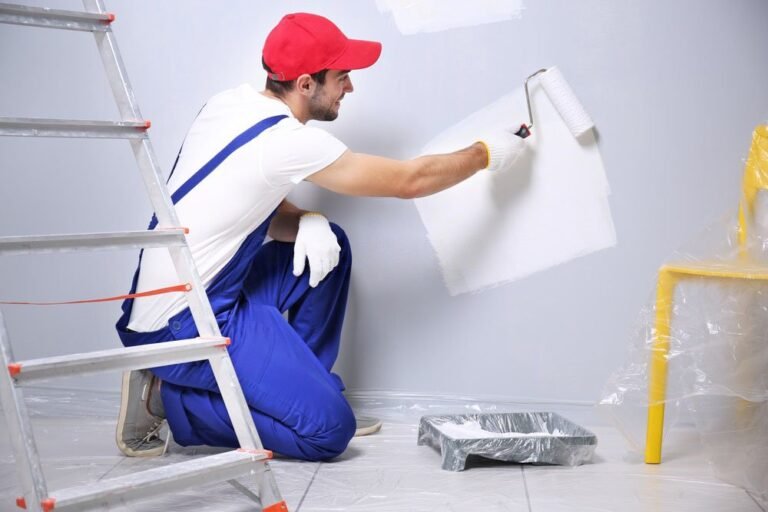
Surface preparation is the stage that determines how well paint will look and how long it will last on interior and exterior walls. Before any color is applied, painters focus on creating a stable, clean, and even foundation. This process involves inspecting surfaces, removing contaminants, repairing damage, and ensuring proper adhesion conditions for coatings. Without these steps, even high-quality paint may peel, crack, or show uneven finishes over time. Preparation is not a quick task but a structured process that directly affects the durability, appearance, and performance of the final coat. It also helps reveal hidden issues, such as moisture intrusion or surface decay, that must be corrected first for reliable results in any property painting project.
Surface Readiness and Preparation Steps Ahead
- Initial Inspection and Surface Assessment
The preparation process begins with a careful inspection of all surfaces that will be painted. Painters evaluate walls, ceilings, trims, and exterior siding to identify cracks, peeling paint, stains, or structural flaws. This step helps determine what type of preparation is required and which materials or methods will be used. Surfaces are also checked for moisture damage, mold growth, and uneven textures that could interfere with paint adhesion. In many cases, this inspection reveals underlying issues that homeowners may not notice at first glance.
Addressing these concerns early prevents future complications and ensures that the painting work does not simply mask deeper problems. During this stage, professionals also plan the sequence of work so that preparation flows efficiently into priming and painting without interruption or unnecessary delays.
- Cleaning, Degreasing, and Surface Contaminant Removal
Once inspection is complete, the next step involves thorough cleaning of the surfaces to remove dirt, dust, grease, and other contaminants. Walls in kitchens and bathrooms often contain oil residues that must be removed for proper paint bonding. Exterior surfaces may accumulate pollen, grime, or pollution buildup that affects adhesion if not cleaned properly. Pressure washing or manual scrubbing methods are commonly used, depending on the surface type and condition. This stage ensures that no loose particles remain that could cause bubbling or uneven finishes later. In some cases, cleaning agents are applied to break down stubborn residues before rinsing.
A well-cleaned surface allows primers and paints to bond more effectively, reducing the risk of premature peeling or discoloration. Many property owners underestimate this step, yet it plays a major role in long-term coating performance. Some house painting services in Richmond VA, also adjust cleaning techniques based on local humidity and weather patterns to achieve better surface readiness.
- Repairing Surface Damage and Structural Imperfections
After cleaning, attention shifts to repairing visible and hidden surface damage. Cracks in drywall, holes from nails, dents, and chipped plaster are filled and smoothed to create an even base. Exterior wood surfaces may require patching of rotted areas or replacement of damaged sections before painting can proceed. This stage also includes sanding rough patches to eliminate uneven textures that could show through paint layers. Repair materials are carefully selected based on surface type to ensure compatibility and durability.
The goal is to restore structural consistency so that paint application results in a uniform appearance. Without proper repair work, imperfections tend to become more noticeable after painting, especially under direct lighting. Painters often take additional time during this stage because even small flaws can affect the final visual quality of the entire surface once coated.
- Sanding, Smoothing, and Creating Paint Adhesion
Sanding is a critical step that helps prepare surfaces for strong paint adhesion. It removes gloss from previously painted walls, smooths repaired areas, and creates a slightly textured surface that allows coatings to grip effectively. Different levels of sanding may be used depending on the condition of the surface, ranging from light smoothing to more intensive abrasion. Dust generated during sanding is carefully removed afterward to prevent interference with primer or paint layers. This stage ensures that transitions between repaired and original surfaces are seamless and not visible after painting. It also helps eliminate minor imperfections that were not corrected during earlier repairs.
Proper sanding improves both the appearance and durability of the final finish, reducing the chances of flaking or uneven coverage over time. Painters often check their work under different lighting angles to ensure consistency before moving forward.
- Priming and Sealing the Surface Foundation
Priming is applied after all repairs and sanding are complete, serving as a foundational layer that prepares the surface for paint application. Primer helps seal porous materials, blocks stains, and creates a uniform base that improves color consistency. Without primer, certain surfaces may absorb paint unevenly, leading to patchy or dull results. Different types of primers are selected based on whether the surface is wood, drywall, metal, or masonry. This step also enhances adhesion, allowing the topcoat to bond more effectively and last longer under environmental exposure.
In cases where stains or discoloration exist, specialized primers may be used to prevent bleed-through. Once applied, the primer is allowed to dry completely before any painting begins. This ensures that the surface is stable and ready for even coating distribution during the final painting stage.
- Final Surface Checks and Pre-Paint Adjustments
Before painting begins, a final round of surface checks is carried out to confirm that all preparation steps have been completed correctly. Painters inspect for missed spots, uneven sanding marks, or areas where repairs may need additional attention. Any remaining dust is removed to maintain a clean working surface. Protective coverings are also adjusted to ensure the surrounding areas are shielded from accidental paint splatter. Lighting conditions are sometimes reviewed to detect imperfections that may not be visible under normal viewing angles. This stage is essential because it acts as the final quality checkpoint before paint application begins.
Ensuring that every surface meets readiness standards helps avoid disruptions during painting and reduces the need for corrections later. Proper final adjustments contribute significantly to achieving a smooth and consistent finish across all painted areas.
Surface preparation is a detailed and structured process that directly influences the quality and lifespan of any painting project. From inspection and cleaning to repair, sanding, priming, and final checks, each step plays a critical role in creating a stable foundation for paint application. Skipping or rushing any part of this process can lead to uneven finishes, poor adhesion, and early deterioration of painted surfaces.
When done correctly, preparation ensures that paint not only looks visually appealing but also withstands environmental conditions and daily wear over time. It transforms rough or damaged surfaces into smooth, ready-to-coat foundations that support lasting results. Understanding the importance of preparation highlights why professional painting work relies so heavily on careful groundwork before any color is applied to a surface.


